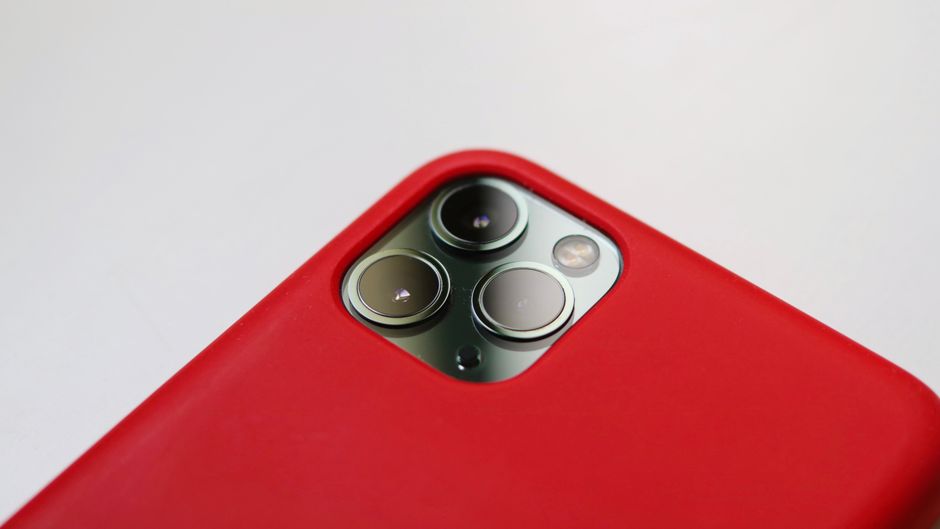
Apple is shaping up to deliver the most significant iPhone 18 Pro camera upgrade in recent memory, with new leaks pointing to major improvements in the main lens. According to recent reports, the primary camera system will receive substantial hardware enhancements that could finally close the gap with flagship Android competitors while leveraging Apple’s computational photography strengths.
The rumored changes focus specifically on the main camera sensor, which handles the majority of photos taken by iPhone users. This shift in priority signals Apple’s recognition that most people rely primarily on the standard wide lens rather than telephoto or ultra-wide options for everyday photography.
What’s changing with the iPhone 18 Pro main camera?
The latest leak suggests Apple will equip the iPhone 18 Pro main camera with a significantly larger sensor and potentially bump the resolution beyond the 48-megapixel count introduced with the iPhone 14 Pro. While exact specifications remain unconfirmed, industry sources point to a sensor size increase of approximately 20-30% compared to the iPhone 17 Pro.
This sensor expansion represents the largest physical upgrade to the main camera since Apple introduced the 48MP sensor two generations ago. A bigger sensor captures more light and detail, directly translating to better low-light performance, improved dynamic range, and finer detail preservation across all lighting conditions.
The iPhone 17 Pro currently uses a 1/1.28-inch sensor with 48-megapixel resolution, which has served as the foundation for Apple’s computational photography features. The rumored iPhone 18 Pro sensor could approach or exceed 1-inch territory, putting it in the same league as dedicated compact cameras and premium Android flagships from Samsung and Xiaomi.
Apple appears to be prioritizing the main camera over other lenses this generation for good reason. Data from camera usage patterns shows that approximately 75-80% of all photos taken on smartphones use the primary wide lens. The ultra-wide and telephoto cameras, while valuable for specific scenarios, see significantly less daily use.
This focus also makes practical sense from an engineering perspective. Improving the sensor that handles most photography tasks delivers immediate, noticeable benefits to the majority of users, rather than incremental improvements spread across multiple lenses.
The telephoto and ultra-wide cameras will likely carry over similar specifications from the iPhone 17 Pro. However, they should benefit from improved processing thanks to the A19 chip’s enhanced image signal processor.
How big of an upgrade is this really?
To understand the significance of this rumored upgrade, look at Apple’s camera evolution over recent years. From iPhone 13 Pro to iPhone 14 Pro, Apple made a substantial jump from 12MP to 48MP on the main camera. The iPhone 15 Pro refined that sensor with better coatings and processing, while the iPhone 16 Pro and 17 Pro focused primarily on computational improvements rather than hardware changes.
This pattern of major hardware leaps followed by refinement years means the iPhone 18 Pro would represent the first significant sensor hardware upgrade in approximately three generations. That’s substantial for users still holding iPhone 15 Pro or earlier models.
In real-world terms, a larger sensor means several tangible improvements. Low-light photography should see the most dramatic gains, with reduced noise and better detail retention in challenging lighting. Night mode shots could require shorter exposure times, reducing blur from hand movement or subject motion.
Detail preservation in well-lit scenarios will also improve, particularly when zooming into photos or cropping images after the fact. The larger sensor provides more information for Apple’s computational photography algorithms to work with, resulting in cleaner, more natural-looking images even when digitally zooming to 2x or 3x magnification.
Color accuracy and dynamic range should benefit as well. Larger pixels capture more color information and handle high-contrast scenes better, reducing blown highlights and crushed shadows in difficult lighting situations.
Compared to flagship Android camera systems, this rumored upgrade could finally position the iPhone 18 Pro as a true competitor rather than playing catch-up. Samsung’s Galaxy S series and Google’s Pixel phones have pushed sensor sizes larger in recent years, often delivering superior low-light performance and detail.
If Apple implements a sensor approaching 1-inch in size, it would match or exceed most Android competitors while maintaining the advantage of Apple’s sophisticated image processing pipeline. The combination of premium hardware and refined software could create the most capable smartphone camera system available.
What computational photography features might accompany the hardware upgrade?
Apple has historically taken a software-first approach to camera improvements, using computational photography to maximize whatever hardware is available. The iPhone 18 Pro camera upgrade will likely follow this philosophy, pairing new sensor capabilities with advanced processing features.
The A19 chip expected to power the iPhone 18 Pro should include a substantially upgraded neural engine and image signal processor. These components handle the complex calculations required for features like Smart HDR, Deep Fusion, and Photonic Engine, which merge multiple exposures and apply machine learning to optimize every photo.
With more powerful processing and a larger sensor providing richer data, Apple could introduce several new camera features. Enhanced subject isolation for portrait mode seems likely, using the additional detail and depth information from the larger sensor to create more natural-looking background blur and edge detection.
Improved night mode capabilities are almost certain, potentially including better astrophotography features that can capture stars and night skies with less noise and more detail. The larger sensor combined with advanced noise reduction algorithms could make handheld long exposures more practical.
Real-time video processing could see significant upgrades as well. The combination of A19 chip power and improved sensor data might enable features like enhanced cinematic mode with better subject tracking, improved stabilization algorithms, or higher-quality ProRes video recording with less compression.
Artificial intelligence features will likely play a major role in the iPhone 18 Pro camera experience. Apple has been integrating more AI-powered tools across iOS, and the camera system provides an ideal showcase for these capabilities. Expect smarter scene detection that automatically optimizes settings for specific subjects, improved photo editing suggestions, and potentially AI-assisted composition guides.
The larger sensor might also enable new depth-sensing capabilities beyond current LiDAR applications. More accurate depth maps could improve AR experiences, enhance portrait mode performance, and enable new creative features for photo and video capture.
When will we see these cameras in action?
Based on Apple’s consistent release schedule, the iPhone 18 Pro should be announced in September 2025, with pre-orders opening shortly after the announcement and general availability following within a week or two. Apple typically hosts its iPhone event in the first or second week of September.
Apple’s announcement events always dedicate significant time to camera improvements, typically showing carefully curated samples highlighting new capabilities. Expect to see comparisons demonstrating low-light performance, detail preservation, and any new computational photography features during the keynote presentation.
The company usually provides sample images shot by professional photographers in the weeks leading up to launch, offering a glimpse of what the camera system can achieve in skilled hands. These samples, while impressive, sometimes set unrealistic expectations for casual users.
Early reviewer units typically go out to select media outlets and content creators about a week before the official launch. These reviews provide the first real-world assessment of camera performance from trusted sources, testing the iPhone 18 Pro camera in everyday scenarios rather than controlled conditions.
Expect comprehensive camera comparisons against the iPhone 17 Pro, flagship Android devices, and potentially even dedicated cameras. Video creators on platforms like YouTube typically produce detailed camera tests examining everything from color science to dynamic range and low-light capability.
The true test of the iPhone 18 Pro camera improvements won’t come until thousands of users put the device through real-world use over weeks and months. Early samples and reviews provide valuable insights, but actual performance in your specific use cases might vary from professional testing scenarios.
Should you upgrade from iPhone 17 Pro?
The decision to upgrade depends heavily on how much you prioritize camera performance and which iPhone model you currently own. If you’re using an iPhone 17 Pro, the camera improvements alone might not justify the upgrade cost unless photography is a primary use case.
Content creators, photographers, and anyone who frequently shoots in challenging lighting conditions stand to benefit most from the rumored iPhone 18 Pro camera upgrades. The improved low-light performance, better detail retention, and enhanced computational photography features directly impact image quality for professional and serious hobbyist use.
The iPhone 17 Pro already offers excellent camera capabilities, with a 48MP main sensor, solid low-light performance, and comprehensive computational photography features. For most casual users, the improvements from 17 Pro to 18 Pro might be noticeable in side-by-side comparisons but won’t dramatically change everyday photography experiences.
If you’re still using an iPhone 15 Pro or earlier, the upgrade case becomes much stronger. The cumulative improvements over multiple generations, combined with the rumored sensor upgrade, would deliver a substantial leap in camera quality. You’d also benefit from other improvements like faster processing, better battery efficiency, and new iOS features.
Pricing will be another crucial factor in the upgrade decision. Apple has maintained relatively consistent iPhone Pro pricing in recent years, but premium features sometimes come with price increases. If the iPhone 18 Pro launches at a higher price point than previous generations, the value proposition changes for budget-conscious buyers.
Consider your current phone’s condition and performance as well. If your iPhone 17 Pro is working well, has good battery health, and meets your needs, waiting another year for the iPhone 19 Pro might make more sense unless camera improvements are essential to your work or creative pursuits.
For users on older devices, Apple’s trade-in programs and carrier promotions often make upgrading more affordable. The combination of trade-in value and promotional offers can significantly reduce the out-of-pocket cost, making the iPhone 18 Pro camera upgrade more accessible.
The bigger picture for iPhone photography
The rumored iPhone 18 Pro camera improvements represent more than just a spec bump. They signal Apple’s continued commitment to computational photography innovation while acknowledging that hardware improvements still matter in an increasingly competitive smartphone market.
As smartphone cameras approach and sometimes exceed dedicated camera quality for many use cases, the distinctions between devices become more subtle. The iPhone 18 Pro’s focus on the main camera suggests Apple understands that delivering excellence in the most-used lens matters more than marginal improvements across all cameras.
For the broader iPhone ecosystem, these improvements will likely trickle down to future standard iPhone models and set new baselines for mobile photography capabilities. Apple’s camera innovations historically debut on Pro models before becoming standard features in subsequent generations.
The practical impact for users means better photos in more situations, with less need to think about camera settings or lighting conditions. The combination of superior hardware and intelligent software should make it easier to capture professional-looking images straight from the camera app.
Whether these rumored improvements materialize exactly as leaked remains to be seen, but the pattern of Apple’s innovation suggests a major camera upgrade is due for the iPhone 18 Pro. For anyone who values smartphone photography, the wait until September 2025 should reveal whether these leaks translate into the most significant iPhone camera upgrade in years.
Frequently Asked Questions
What is the iPhone 18 Pro main camera megapixel count?
While not officially confirmed, leaks suggest the iPhone 18 Pro main camera will feature an upgraded sensor that could exceed the current 48-megapixel resolution. The focus appears to be on sensor size rather than just megapixel count, with rumors pointing to a 20-30% larger sensor than the iPhone 17 Pro.
How does the iPhone 18 Pro camera compare to iPhone 17 Pro?
The iPhone 18 Pro camera is rumored to feature a significantly larger main sensor compared to the iPhone 17 Pro, potentially offering 20-30% more sensor area. This should translate to better low-light performance, improved detail retention, and superior dynamic range, while the iPhone 17 Pro’s telephoto and ultra-wide lenses may remain similar.
What new camera features are coming to iPhone 18 Pro?
Expected features include enhanced computational photography capabilities powered by the A19 chip, improved night mode with better low-light performance, advanced AI-powered scene optimization, and potentially new real-time video processing features. The larger sensor should enable better portrait mode subject isolation and more accurate depth sensing.
Will the iPhone 18 Pro have a better zoom camera?
Current leaks suggest the iPhone 18 Pro’s telephoto zoom camera will likely carry over similar specifications from the iPhone 17 Pro. The main focus of this generation’s upgrade appears to be the primary wide lens rather than the zoom capabilities, though improved processing may enhance overall zoom quality.
When is the iPhone 18 Pro release date?
Based on Apple’s consistent release schedule, the iPhone 18 Pro should be announced in September 2025, with pre-orders opening shortly after and general availability following within one to two weeks. Apple typically holds its iPhone announcement event in the first or second week of September.