
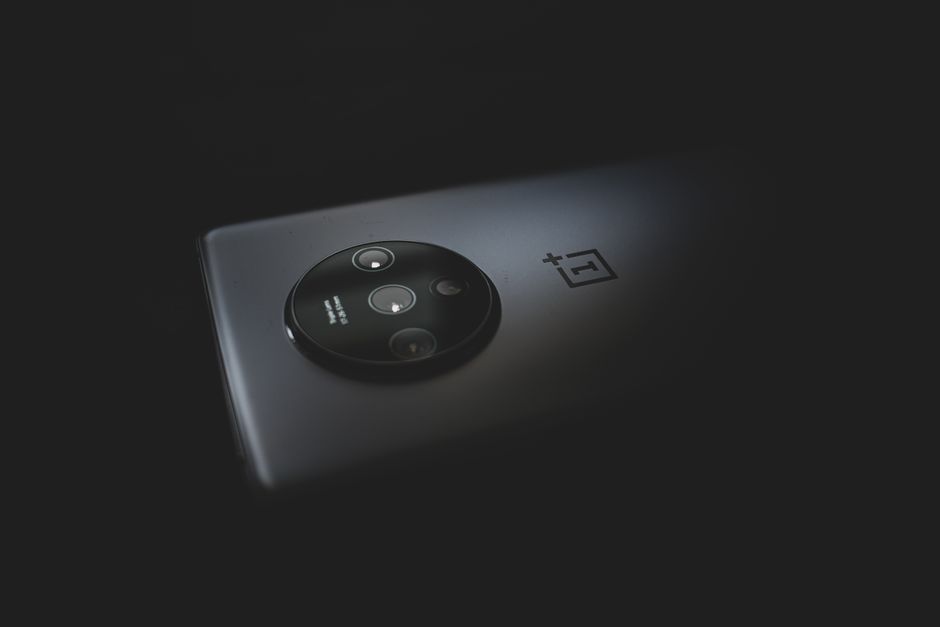
The Oppo Reno16 enters a fiercely competitive mid-range smartphone market with bold promises: flagship-level design, impressive cameras, and practical features at a price point that won’t empty your wallet. After weeks of testing, the reality is more nuanced. This phone genuinely excels in some areas while making compromises in others that might be deal-breakers depending on your priorities.
Oppo positions the Reno16 squarely between budget and premium territory, targeting users who want a phone that looks and feels expensive without the flagship price tag. The question is whether those trade-offs are acceptable for your daily usage.
What Is the Oppo Reno16 and Who Should Buy It?
The Oppo Reno16 sits in the competitive mid-range segment, typically priced between $400 and $500 depending on your region and storage configuration. This positions it directly against phones like the Samsung Galaxy A54, OnePlus Nord 3, and various Xiaomi offerings that dominate this price bracket.
Compared to previous Reno models, the Reno16 brings incremental improvements rather than revolutionary changes. You get a slightly better camera system, refined design elements, and marginally improved battery efficiency. The core philosophy remains unchanged: deliver premium aesthetics and solid photography capabilities while accepting compromises in raw processing power.
This phone makes the most sense for users who prioritize camera quality and design over gaming performance or intensive multitasking. If you use your phone primarily for social media, photography, streaming video, and everyday productivity tasks, the Reno16 delivers admirably. Power users and mobile gamers should look elsewhere.
Design and Build Quality: Premium Feel at a Mid-Range Price
The Reno16’s design is arguably its strongest selling point. Oppo has crafted a device that genuinely feels more expensive than its price suggests. The phone features a glass front and back with a plastic frame that mimics metal surprisingly well. While purists might scoff at the plastic construction, the average user would struggle to tell the difference without close inspection.
The 6.7-inch AMOLED display delivers vibrant colors and deep blacks with a smooth 120Hz refresh rate. Scrolling feels fluid, and the screen gets bright enough for outdoor visibility in most conditions. The resolution sits at 2412 x 1080 pixels, providing sharp text and detailed images without the battery drain of higher resolutions.
At 7.6mm thick and weighing 182 grams, the Reno16 feels comfortable in hand for extended periods. The curved edges help it nestle into your palm naturally, though they make screen protector application more challenging. Oppo offers the phone in three color options: Stellar Black, Aurora Blue, and Silver Gray. The Aurora Blue variant features a subtle color-shifting effect that catches light beautifully.
One notable omission: the Reno16 lacks any official IP rating for water or dust resistance. While it may survive a light splash, you shouldn’t count on it near pools or in heavy rain.
Camera Performance: The Reno16’s Strongest Suit
Oppo has long emphasized camera capabilities in the Reno series, and the Reno16 continues this tradition with a triple-camera setup that punches above its weight class.
The 50MP main sensor captures detailed, well-balanced photos in good lighting conditions. Colors tend toward the vibrant side, which works well for social media but may disappoint photography purists seeking absolute accuracy. The camera processes images quickly, and shutter lag is minimal even when capturing moving subjects.
The 8MP ultra-wide camera handles landscape shots and group photos adequately, though you’ll notice a quality drop compared to the main sensor. There’s visible softness at the edges, and color matching between the two cameras isn’t perfect. The 2MP macro lens feels like filler—you’ll rarely find situations where it produces better results than simply cropping a main camera shot.
Where the Reno16 genuinely impresses is low-light photography. The dedicated night mode produces surprisingly clean images with good detail retention and minimal noise. It won’t match flagship phones like the iPhone or Galaxy S series, but it outperforms many competitors in this price range. The phone requires a steady hand, as multi-frame processing takes a couple of seconds.
Video recording maxes out at 4K 30fps on the main camera, with solid electronic stabilization that smooths out most walking motion. The lack of 4K 60fps might disappoint videographers, and low-light video quality drops significantly compared to photo performance.
Performance and Processing Power: Where It Struggles
This is where the Reno16’s mid-range nature becomes most apparent. Oppo equipped the phone with a MediaTek Dimensity 7300 processor, a capable mid-range chip that handles everyday tasks smoothly but struggles with demanding applications.
In real-world usage, the phone feels responsive for typical activities. Apps launch quickly, web browsing is smooth, and switching between recent apps shows no significant lag. The base model includes 8GB of RAM with 256GB storage, while a higher-tier option offers 12GB RAM with 512GB storage. Both configurations handle multitasking reasonably well, though you’ll notice occasional reloads of background apps with heavy usage.
Gaming reveals the processor’s limitations. Popular titles like Genshin Impact and Call of Duty Mobile run at medium settings with acceptable frame rates, but pushing graphics to high or ultra results in noticeable stuttering and frame drops. The phone also gets warm during extended gaming sessions, though it never reaches uncomfortable temperatures.
Thermal management is adequate but not exceptional. During benchmark tests and sustained gaming, the Reno16’s back panel becomes noticeably warm. The phone throttles performance to manage heat, which means you’ll see decreasing frame rates in long gaming sessions rather than consistent performance.
Synthetic benchmarks place the Reno16 roughly 20-30% behind flagship processors in both single-core and multi-core performance. This gap rarely matters for casual users but becomes significant for power users.
Battery Life and Charging: A Practical Assessment
The Reno16 packs a 5000mAh battery that delivers reliable all-day endurance for most users. With moderate usage including social media browsing, some photography, streaming music, and occasional video watching, you can expect to end the day with 20-30% remaining charge.
Heavier users who stream video extensively or game regularly might find themselves reaching for the charger by evening. The large battery capacity provides a good buffer, but the power-hungry display and processor prevent this from being a true two-day phone for most people.
Charging speed sits at 67W fast charging, which fills the battery from empty to about 80% in roughly 30 minutes. A full charge takes approximately 45 minutes. These speeds are competitive for the mid-range segment and fast enough that brief charging sessions during your morning routine can provide hours of usage.
Notably, the Reno16 lacks wireless charging capability. This is a common omission in mid-range phones, but it’s worth noting if wireless charging is part of your daily routine. The phone also doesn’t support reverse wireless charging for topping up accessories.
Software and User Experience: ColorOS Integration
The Reno16 ships with ColorOS 14 based on Android 13, delivering Oppo’s take on the Android experience. ColorOS has matured significantly in recent years, moving away from heavy iOS imitation toward a more distinctive identity.
The interface is colorful and feature-rich, with extensive customization options including theme stores, icon packs, and always-on display configurations. Animations are smooth thanks to the 120Hz display, and the overall aesthetic is modern and cohesive.
Pre-installed apps remain a mixed bag. You’ll find some genuinely useful Oppo additions alongside promotional apps that feel like bloatware. Most unwanted apps can be uninstalled or disabled. Some system-level recommendations and advertisements appear in certain apps, which can be turned off in settings but requires some hunting.
Oppo promises three years of major Android updates and four years of security patches for the Reno16, a competitive commitment that matches or exceeds many rivals in this segment. This means you can expect the phone to receive Android 14, 15, and 16, keeping it reasonably current through 2027.
UI responsiveness is generally excellent for everyday interactions. The high refresh rate display and adequate processor combine to create a smooth experience for scrolling, swiping, and navigating menus. Only when launching heavy apps or processing complex tasks does the interface occasionally stutter.
Oppo Reno16 vs. Competitors: How It Stacks Up
The mid-range smartphone market offers numerous compelling alternatives to the Reno16, each with different strengths.
The Samsung Galaxy A54 offers similar performance with a more refined software experience and better water resistance (IP67 rating). Samsung’s longer update commitment (four Android updates) and broader ecosystem integration make it appealing for users already invested in Samsung products. The Reno16 charges faster, and some users prefer its design aesthetic.
Compared to OnePlus Nord models, the Reno16 (which shares corporate parentage with OnePlus) offers similar specifications with slightly different priorities. OnePlus Nord phones typically emphasize performance slightly more, while the Reno16 focuses on camera and design refinement. The choice often comes down to personal preference and regional availability.
Xiaomi alternatives in this price range, such as the Redmi Note series, frequently offer better raw specifications on paper—faster processors, larger batteries, or higher refresh rates. However, Xiaomi’s software can feel more cluttered, and build quality varies. The Reno16 delivers a more premium feel and generally cleaner software experience.
Regarding value proposition, the Reno16 makes sense if you prioritize design, camera quality, and brand preference. Pure performance-per-dollar shoppers might find better specifications elsewhere, particularly from Chinese brands with aggressive pricing.
Pros and Cons: The Verdict Breakdown
Advantages:
- Premium design and build quality that exceeds its price point
- Excellent main camera performance, especially in low light
- Smooth 120Hz AMOLED display with vibrant colors
- Fast 67W charging that quickly tops up the large battery
- Solid all-day battery life for typical users
- Clean, feature-rich ColorOS with good update commitment
Drawbacks:
- Processor struggles with demanding games and heavy multitasking
- No water resistance rating, raising durability concerns
- Lacks wireless charging capability
- Ultra-wide camera quality drops significantly from main sensor
- Gets warm during extended intensive use
- Some bloatware present out of the box
Where competitors excel:
Samsung’s Galaxy A-series offers better water resistance and longer software support. OnePlus Nord models sometimes provide slightly better gaming performance. Xiaomi alternatives frequently pack more raw specifications at similar prices.
Potential deal-breakers:
If you’re a mobile gamer, the Reno16’s processor limitations will frustrate you regularly. If you need reliable water resistance for outdoor activities or peace of mind, the lack of IP rating is concerning. Wireless charging enthusiasts will need to look elsewhere.
Should You Buy the Oppo Reno16?
The Oppo Reno16 deserves your consideration if you want a phone that looks premium, takes quality photos, and handles everyday tasks smoothly without breaking the bank. It’s an excellent choice for users who prioritize camera performance and design aesthetics over raw processing power.
Buy the Reno16 if you:
- Take lots of photos and want reliable camera performance
- Appreciate premium design and build quality
- Primarily use your phone for social media, streaming, and productivity
- Value fast charging and all-day battery life
- Want a large, smooth display for content consumption
Consider alternatives if you:
- Play graphically demanding mobile games regularly
- Need water resistance for outdoor activities or peace of mind
- Require maximum processing power for heavy multitasking
- Prefer stock Android or need the longest software support available
- Rely on wireless charging daily
Alternative recommendations:
The Samsung Galaxy A54 offers better durability and software support. The OnePlus Nord 3 provides slightly better gaming performance. The Google Pixel 7a delivers superior camera processing and stock Android at a similar price when on sale.
Final rating: 7.5/10
The Oppo Reno16 is a good phone that excels in specific areas while making predictable mid-range compromises. It won’t wow you with cutting-edge performance, but it delivers a polished, attractive package that handles daily tasks reliably. For users whose priorities align with its strengths (photography, design, and everyday usability), the Reno16 offers solid value and should provide a satisfying ownership experience. Just make sure you understand its limitations before committing.
Frequently Asked Questions
Is the Oppo Reno16 waterproof or water-resistant?
No, the Oppo Reno16 lacks any official IP rating for water or dust resistance. While it might survive minor splashes, you should avoid exposing it to water and keep it away from pools, rain, or dusty environments.
Does the Oppo Reno16 support 5G connectivity?
Yes, the Oppo Reno16 supports 5G connectivity across multiple bands. However, specific band support varies by region, so verify that your carrier’s 5G frequencies are supported in your market before purchasing.
What is the actual battery life in daily use?
With moderate usage including social media, photography, music streaming, and some video watching, the Reno16’s 5000mAh battery typically lasts a full day with 20-30% remaining. Heavy users who game extensively or stream video constantly may need to recharge by evening.
How does the Oppo Reno16 camera compare to iPhone or Galaxy?
The Reno16’s camera performs well for its price range but doesn’t match flagship iPhone or Galaxy S-series phones. It captures quality photos in good lighting and impressive low-light shots, but lacks the advanced computational photography, video capabilities, and consistency of premium flagships.
Is the Oppo Reno16 available in my country?
The Oppo Reno16 is primarily available in Asian and European markets, with limited availability in North America. Check Oppo’s official website for your region or contact local carriers to confirm availability and specific model variants offered in your country.
Can you expand storage with a microSD card?
No, the Oppo Reno16 does not include a microSD card slot for expandable storage. You’re limited to the internal storage capacity you choose at purchase, so consider opting for the 512GB variant if you store lots of photos, videos, or large apps.