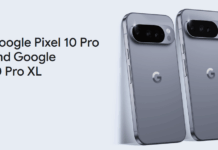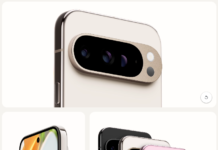
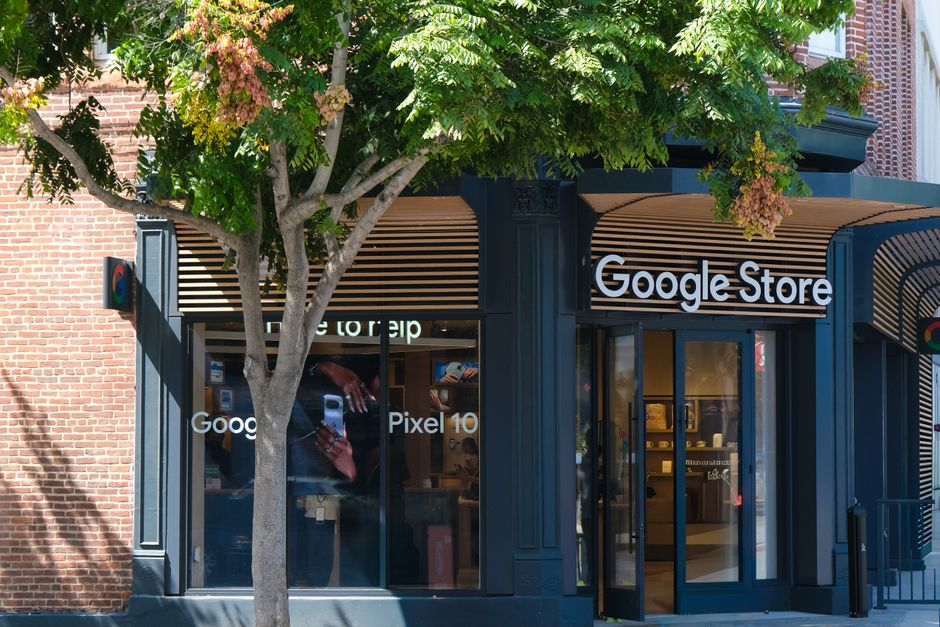
The Pixel 11 looks like more of the same on paper, and the internet is already grumbling. But Google’s iterative approach isn’t a design flaw. It’s an intentional strategy that might be smarter than the industry’s obsession with revolutionary change every single year.
If you’re wondering whether the Pixel 11 specs improvements justify an upgrade, you’re asking the wrong question. The real question is: when did we decide that smartphones need to reinvent themselves annually to be worth our attention? Google has clearly chosen stability over spectacle, and understanding this shift changes how we should evaluate what the Pixel 11 actually offers.
Why ‘More of the Same’ Has Become a Dirty Phrase in Tech
Somewhere along the way, the smartphone industry convinced us that every new flagship should feel revolutionary. Apple trained us to expect ‘one more thing’ moments. Samsung conditioned us to anticipate foldable innovations and camera megapixel wars. We’ve been taught that if a phone doesn’t make us gasp during the keynote, it’s not worth buying.
This expectation isn’t just unrealistic—it’s unsustainable. Flagship fatigue is real, and it’s created a bizarre situation where genuinely excellent phones get dismissed because they look too similar to last year’s genuinely excellent phone. The difference between meaningful upgrades and cosmetic changes has blurred into irrelevance.
Consider what actually matters in daily use: battery life, camera quality, software reliability, performance consistency. These improve incrementally, not exponentially. A phone that’s 15% faster, gets 10% better battery life, and crashes half as often is objectively better, but it doesn’t photograph well in a headline.
What the Pixel 11 Actually Offers (Beyond the Surface)
Look past surface-level specs, and the Pixel 11 specs improvements tell a different story. Google isn’t standing still. They’re refining a formula that already works.
The Tensor G5 processor (or whatever Google ends up calling it) continues the trajectory of incremental performance gains coupled with improved efficiency. You won’t notice your apps launching microseconds faster, but you will notice your phone lasting through a full day without hunting for a charger. These compound improvements matter more than benchmark scores.
Computational photography gets smarter with each generation. The Pixel 11’s camera system likely uses the same or similar hardware sensors as the Pixel 10, but the AI processing behind those sensors learns from millions of photos. Magic Eraser gets better. Night Sight captures cleaner images. Portrait mode makes fewer mistakes with edge detection. These aren’t sexy bullet points, but they’re what you’ll actually use.
Software optimizations leverage existing hardware more intelligently. Google has years of data on how people actually use Pixel phones, and each iteration fine-tunes everything from memory management to thermal performance. Your Pixel 11 does the same things as the Pixel 10, just with fewer hiccups and better resource allocation.
The improvements compound from previous generations rather than replacing them. If you’re upgrading from a Pixel 8 or earlier, the cumulative refinements create a noticeably better experience, even if no single feature feels groundbreaking.
Google’s Strategic Shift: Stability Over Spectacle
Google learned expensive lessons from the Pixel 6 and 7 launches. Those phones brought significant changes (new Tensor chips, redesigned camera bars, overhauled software) and also brought bugs, overheating complaints, and connectivity issues that plagued early adopters for months.
The business logic behind perfecting a proven formula is simple: reliability sells phones. Not to tech enthusiasts who obsess over spec sheets, but to the vast majority of buyers who want a phone that just works. Boring, dependable excellence doesn’t generate breathless YouTube videos, but it generates customer satisfaction and repeat purchases.
Look at mature flagship lines from competitors. The iPhone 15 looks nearly identical to the iPhone 14, which looked nearly identical to the iPhone 13. Samsung’s Galaxy S24 is an evolution, not a revolution, from the S23. These companies understand that once you’ve nailed the fundamentals, radical redesigns introduce risk without proportional reward.
Google is simply catching up to what Apple and Samsung figured out years ago: annual revolutionary changes are marketing fiction. The real work happens in refinement, optimization, and incremental improvement that creates a better product without breaking what already works.
The Case for Iterative Design in Flagship Phones
We’ve hit diminishing returns on radical smartphone redesigns. Folding screens are niche. Under-display cameras create more problems than they solve. Phones are already fast enough, cameras are already excellent, and batteries already last all day for most users.
In this saturated market, software updates deliver more value than hardware revisions. A new AI feature that helps you screen spam calls matters more than shaving another millimeter off the phone’s thickness. Improved photo processing algorithms provide more noticeable benefits than adding another camera lens.
The real-world benefits of a stable, refined platform are significant. Developers can optimize apps for a consistent hardware target. Accessories remain compatible across generations. Cases, screen protectors, and charging docks don’t become obsolete annually. You can confidently buy a Pixel 11 knowing that Google’s support and third-party ecosystem will remain robust for years.
There’s also an environmental and sustainability angle. Longer phone lifecycles and hardware consistency reduce electronic waste. When phones improve incrementally, users can comfortably hold onto devices for three or four years instead of feeling pressured to upgrade every cycle. That’s better for wallets and the planet.
Who Should Actually Upgrade to the Pixel 11?
If you own a Pixel 10 or Pixel 9, the Pixel 11 specs improvements probably don’t justify upgrading. You’ll get better performance, slightly improved cameras, and software features that might arrive on your current phone anyway. Unless your device is damaged or you’re desperate for a specific new feature, skip this generation.
Pixel 8 owners sit in the maybe category. The cumulative improvements over two generations start adding up (better battery life, noticeably faster performance, meaningful camera enhancements). If your Pixel 8 still feels snappy and the battery lasts through your day, wait. If you’re noticing slowdowns or battery degradation, the Pixel 11 makes sense.
Pixel 7 and earlier owners should seriously consider upgrading. Three or more generations of refinements create a substantially better experience. The Tensor chip improvements compound. The camera quality gap widens. Software optimizations accumulated over years make a real difference in daily use.
The sweet spot for Pixel upgrades has always been every three years. That cadence gives you meaningful improvements without chasing every incremental update. It also aligns with typical phone financing plans and battery degradation timelines.
Anyone coming from non-Pixel Android phones or switching from iPhone will find the Pixel 11 compelling regardless of its iterative nature. The Google software experience, computational photography advantages, and integration with Google services create value beyond hardware specs.
Are We Setting Ourselves Up for Disappointment?
The real problem isn’t the Pixel 11. It’s our expectations. We’ve been conditioned by years of marketing hype to expect miracles every twelve months. The psychology of smartphone launches has trained us to seek innovation for innovation’s sake, even when we can’t articulate why we need it.
Realistic product roadmaps don’t generate the same excitement as ambitious promises, but they create better products. Google could promise revolutionary features that ship broken and get fixed six months later. Instead, they promise refined excellence and actually deliver it. The second approach serves customers better, even if it generates fewer headlines.
Evaluating phones based on personal needs rather than marketing narratives requires discipline. Ask yourself: What does my current phone do poorly that the new phone does well? What features would genuinely improve my daily experience? Am I upgrading because I need to, or because I feel like I should?
The danger of seeking innovation for innovation’s sake is ending up with solutions looking for problems. Gimmick features that seemed exciting in the keynote collect dust in your settings menu. Revolutionary designs create first-generation compromises that get fixed in the ‘more of the same’ follow-up.
The Bottom Line: Accepting That Smartphones Have Matured
We’ve reached peak smartphone performance. Not in the sense that phones can’t get better (they absolutely can), but in the sense that the improvements are now incremental refinements rather than revolutionary leaps. The best camera, fastest processor, and longest battery might already exist in some combination across current flagships.
Refinement is the new frontier. Making good phones 10% better year over year compounds into excellence over a three-year cycle. That’s not exciting in a keynote, but it’s valuable in your pocket every single day.
Reframing ‘more of the same’ as ‘proven excellence’ isn’t marketing spin. It’s accurate. When a product works well, doing more of what works is smart strategy. Incremental improvements to a solid foundation create better outcomes than constant reinvention.
For the next five years of Pixel development, expect this pattern to continue. Google will refine the Tensor platform, improve computational photography incrementally, optimize software continuously, and occasionally introduce genuinely useful features. There won’t be many ‘wow’ moments, but there will be a consistently excellent phone that gets marginally better each year.
That’s not settling for mediocrity. It’s maturity. In a smartphone market obsessed with artificial innovation, maturity might be exactly what we need.
The Pixel 11 will deliver more of the same, and that’s perfectly fine. Whether you upgrade depends entirely on whether the cumulative improvements from your current phone justify the cost. For Pixel 9 and 10 owners, probably not. For Pixel 7 and earlier users, probably yes. For everyone else, evaluate based on your actual needs rather than the hype cycle.
Google is playing the long game with a refined, stable platform. The Pixel 11 specs improvements won’t make headlines, but they’ll make a good phone slightly better. Sometimes, that’s exactly enough.
Frequently Asked Questions
What are the main new features in the Pixel 11?
The Pixel 11 focuses on incremental improvements rather than revolutionary features. Expect refinements to the Tensor processor for better efficiency, enhanced computational photography capabilities through improved AI processing, and software optimizations that make the phone more reliable and responsive. The hardware will look similar to the Pixel 10, but the cumulative small improvements create a noticeably better experience for users upgrading from older models.
Should I upgrade from my Pixel 10 to the Pixel 11?
Probably not. The Pixel 11 specs improvements over the Pixel 10 are incremental: better performance, slightly improved cameras, and minor refinements. Unless your Pixel 10 is damaged or you desperately want a specific new feature, you won’t notice enough difference to justify the upgrade cost. The sweet spot for Pixel upgrades is typically every three years, so Pixel 10 owners should wait for the Pixel 12 or 13.
How does the Pixel 11 compare to Samsung and iPhone flagships?
The Pixel 11 follows the same iterative design philosophy as the iPhone 15 series and Samsung Galaxy S24 line. All three manufacturers now prioritize refinement over revolution. Pixel’s advantages remain computational photography and tight Google service integration, while Samsung offers more hardware features and iPhone provides the most robust ecosystem. All three are excellent phones; your choice depends on which ecosystem and software experience you prefer rather than dramatic hardware differences.
What improvements does the Pixel 11 have over previous models?
Compared to the Pixel 10, improvements are modest: slightly faster processor, better battery efficiency, refined camera processing. Compared to the Pixel 8, you’ll notice more meaningful upgrades in performance, battery life, and camera quality. Pixel 7 and earlier owners will see substantial cumulative improvements across all areas. The three-generation gap creates a noticeably better experience even though each individual yearly update is incremental.
Is the Pixel 11 worth buying if specs seem unchanged?
Yes, if you’re upgrading from a Pixel 7 or earlier, switching from another Android brand, or coming from iPhone. The ‘unchanged’ specs narrative misses the point: Google’s refinements to software, AI processing, and system optimization create real-world improvements that don’t show up in spec sheets. However, if you own a Pixel 9 or 10, the value proposition is weak since you already have most of what the Pixel 11 offers.
When is the right time to upgrade from older Pixel phones?
The optimal upgrade cycle for Pixel phones is every three years. This gives you meaningful cumulative improvements in performance, battery life, camera quality, and software features without paying for incremental annual updates. If your current Pixel still performs well and gets you through a full day on battery, wait. If you’re experiencing slowdowns, battery degradation, or missing features you actually want, it’s time to upgrade regardless of which generation you currently own.