Google has quietly removed two of its most popular smart speakers from its online store, marking the end of an era for budget-conscious smart home enthusiasts. The Google Nest discontinuation affects both the Nest Home Mini (formerly known as Google Home Mini) and the standard Nest Audio, leaving millions of current owners wondering what happens next.
If you own one of these devices or were planning to buy one, you’re probably wondering whether your speaker will continue working, how long Google will support it, and what alternatives make sense now. The good news is your device won’t suddenly stop functioning, but there are important details you need to understand about the future.
What Happened: Google Discontinues Nest Home Mini and Nest Audio
Google has officially stopped selling both the Nest Home Mini and the standard Nest Audio through its official store. The company hasn’t issued a formal press release about the discontinuation, following its typical pattern of quietly phasing out products without fanfare.
The Nest Home Mini, originally launched as the Google Home Mini in 2017 and rebranded in 2019, was one of Google’s most affordable entry points into smart home technology. The device typically retailed for around $49 and competed directly with Amazon’s Echo Dot.
The Nest Audio, released in 2020 as a replacement for the original Google Home speaker, offered better sound quality at a mid-range price point of $99. It was designed to compete with the standard Amazon Echo and similar speakers focused on balanced audio performance.
Both products are no longer available through the Google Store in major markets including the United States, Canada, and most European countries. Some third-party retailers may still have remaining inventory, but stock is dwindling rapidly as word of the discontinuation spreads.
The discontinuation appears to have taken effect in late 2024, though Google has not provided specific dates for when production ended or when remaining inventory will be exhausted from retail channels.
Why Google Killed These Popular Smart Speakers
Google’s decision to discontinue these speakers reflects several strategic shifts in how the company approaches smart home hardware.
First, product line simplification appears to be a major driver. Google has developed a reputation for launching products and then abandoning them, which has eroded consumer trust over time. By consolidating its speaker lineup, Google can focus resources on fewer products and potentially provide better support and updates.
The smart speaker market has matured significantly since these products launched. Initial enthusiasm has cooled, and sales growth has slowed across the industry. Many households that wanted smart speakers already own them, and replacement cycles are longer than anticipated because these devices simply don’t break or become obsolete as quickly as smartphones.
Competition from Amazon remains fierce. The Echo Dot consistently outsells comparable Google products, and Amazon has expanded its lineup with screens, premium audio options, and deeper smart home integration. Google may have decided that competing in every price segment wasn’t sustainable.
Google is also clearly shifting focus toward premium offerings. The company wants to position Nest as a more upscale brand, similar to how Apple positions HomePod. By eliminating budget options, Google can avoid the race to the bottom on pricing and instead emphasize quality and integration with other premium Nest products like thermostats, cameras, and doorbells.
Finally, Google Assistant adoption hasn’t matched the company’s initial expectations. While millions of devices are in use, engagement rates suggest many people use smart speakers primarily for music playback and timers rather than the sophisticated voice assistant features Google envisioned.
What This Means for Current Nest Users
If you currently own a Nest Home Mini or Nest Audio, the most important thing to understand is that your device will continue working. The Google Nest discontinuation doesn’t mean your speaker will suddenly stop functioning or lose features.
Google has confirmed that discontinued Nest speakers will continue receiving software updates and security patches for the foreseeable future. Based on Google’s historical patterns with other products, you can reasonably expect at least two to three years of continued support from the discontinuation date, meaning your device should remain functional and secure through at least 2027.
Your warranty coverage remains valid for the original warranty period. If you purchased your device within the last year and it develops a hardware defect, Google will honor warranty claims according to the original terms. Once warranties expire, repair options will become increasingly limited.
Google Assistant features will continue functioning on these devices. You’ll still be able to play music, control smart home devices, set timers, check weather, and use all the core features that worked before the discontinuation. The company has a strong incentive to keep Google Assistant functional across all devices to maintain its competitive position against Amazon Alexa.
What you probably won’t see is significant feature development or improvements for these specific hardware models. Google typically freezes feature development for discontinued products while maintaining basic functionality and security. Any new Google Assistant capabilities will likely focus on newer hardware that can take advantage of improved processors and microphones.
The long-term viability of these devices depends on Google’s commitment to its smart home ecosystem. If Google continues supporting Google Assistant broadly, your speaker should remain useful for years.
Best Alternatives to Consider Now
If you’re shopping for a new smart speaker or thinking about upgrading from a discontinued model, several strong alternatives are available depending on your ecosystem preferences and budget.
The Nest Audio Pro appears to be Google’s preferred successor to the standard Nest Audio, though it comes at a significantly higher price point. This speaker emphasizes premium audio quality and deeper integration with other Nest products. If you’re committed to the Google ecosystem and want the best possible experience, this is the logical upgrade path.
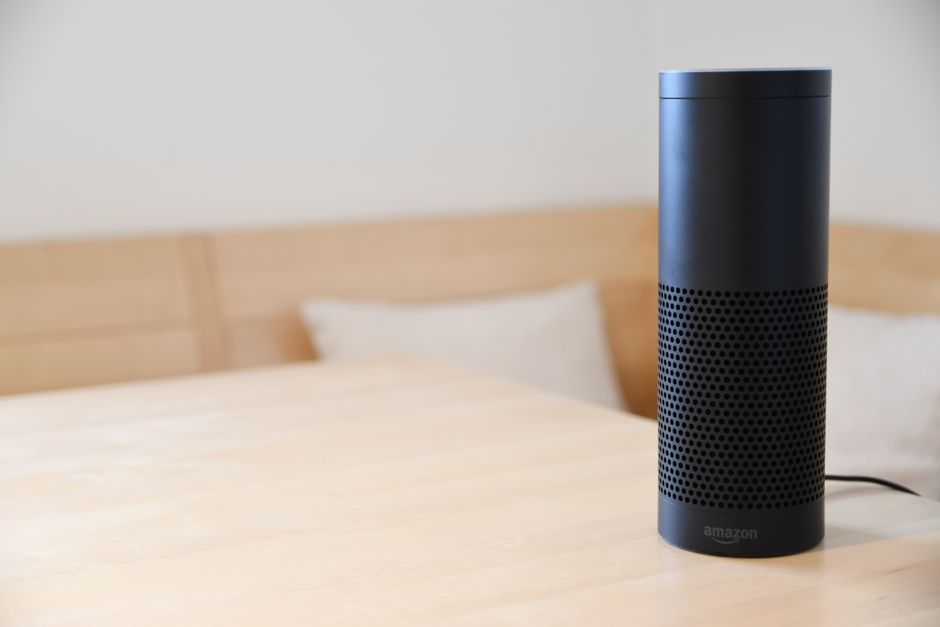
The Amazon Echo Dot (5th generation) directly competes with the discontinued Nest Home Mini in both price and functionality. It offers comparable smart home control, works with Alexa instead of Google Assistant, and typically sells for around $50. The sound quality is similar to the Nest Home Mini, making it a straightforward replacement if you’re willing to switch voice assistants.
For mid-range options, the standard Amazon Echo (4th generation) offers better sound quality than the Echo Dot and competes with the discontinued Nest Audio. It includes a built-in smart home hub, making it easier to connect Zigbee devices without additional hardware. The audio quality is generally considered superior to the Nest Audio for music playback.
Apple users should consider the HomePod mini, which offers tight integration with iPhones, iPads, and Macs. It works exclusively with Siri and the Apple ecosystem, so it only makes sense if you’re already invested in Apple products. The sound quality is excellent for the size, and the HomePod mini supports spatial audio features that competing products can’t match.
Price comparisons show interesting patterns. While the Nest Home Mini sold for $49, you can often find the Echo Dot on sale for $30 to $40. The Nest Audio’s $99 price point is matched by the standard Echo, though both frequently go on sale for $60 to $80. The HomePod mini remains consistently priced at $99 with occasional small discounts.
Should You Buy a Nest Device Today?
If you find remaining Nest Home Mini or Nest Audio inventory at steep discounts, purchasing one isn’t necessarily a bad decision, but you should understand what you’re getting into.
Deals on discontinued Nest speakers have become common as retailers clear inventory. If you can find a Nest Home Mini for $20 to $30 or a Nest Audio for $50 to $60, these represent reasonable value if you’re already committed to the Google ecosystem and understand the support limitations.
Google has not announced any trade-in programs specifically for discontinued Nest speakers, though the company occasionally offers promotional credits when purchasing new Nest products. Check the Google Store for current offers if you’re considering upgrading to newer models.
For existing Google smart home users, the migration path depends on your current setup. If you have multiple Nest speakers for whole-home audio, they’ll continue working together for years. You can gradually replace them with newer models as needed rather than switching everything at once. The multi-room audio features will work across different Nest speaker generations.
If you’re building a new smart home setup from scratch, starting with discontinued products isn’t ideal. You’ll eventually need to replace them anyway, and beginning with current-generation products ensures maximum longevity and support.
The Bigger Picture: Google’s Smart Home Strategy
The Google Nest discontinuation fits into a larger pattern that should concern anyone investing in Google hardware products.
Google has discontinued numerous consumer products over the years, from Google Reader to Google Play Music to various messaging apps. The company’s reputation for abandoning products has become a running joke in tech circles, and each new discontinuation reinforces consumer skepticism about committing to Google ecosystems.
The current shift appears to favor premium Nest ecosystem products over budget offerings. Google seems to be positioning Nest as a high-end smart home brand that competes with Apple rather than pursuing the mass market approach that characterized earlier Google Home products.
This strategy has implications for consumer trust. When people invest in smart home products, they expect years of use and integration with other devices. Frequent discontinuations and product line changes make consumers hesitant to commit, which ultimately undermines Google’s smart home ambitions.
The future roadmap for Google Assistant devices remains unclear. Google continues investing in AI and large language models, which could eventually transform voice assistants into far more capable systems. For now, the company appears committed to maintaining a presence in smart home hardware, though its focus has narrowed to fewer, more profitable products.
What You Should Do Now
If you currently own a discontinued Nest speaker, keep using it. Your device will continue functioning normally for years, and there’s no urgent need to replace it unless you’re experiencing hardware problems.
For anyone shopping for a new smart speaker, carefully consider whether you want to commit to the Google ecosystem given the company’s track record. Amazon’s Echo lineup offers more variety and arguably better long-term support, while Apple’s HomePod provides superior integration for iPhone users.
The most important takeaway from this Google Nest discontinuation is that smart home investments require thinking beyond individual products. Choose ecosystems and platforms that demonstrate long-term commitment and consistent support, not just devices that are cheapest or most convenient today.
Frequently Asked Questions
Will my Nest Home Mini or Nest Audio stop working after discontinuation?
No, your device will continue working normally. Google has confirmed that discontinued Nest speakers will receive software updates and security patches for the foreseeable future, typically at least two to three years from discontinuation. All current features including music playback, smart home control, and Google Assistant will continue functioning.
How long will Google provide software updates to discontinued Nest speakers?
Based on Google’s historical patterns with other discontinued products, you can expect at least two to three years of software updates and security patches from the discontinuation date in late 2024. This means support should continue through at least 2027, though Google hasn’t provided an official end date.
Can I get a refund or discount if I recently purchased a discontinued Nest device?
Standard return policies apply. If you purchased within the retailer’s return window (typically 14 to 30 days), you can return the product. Google hasn’t announced any special refund programs for discontinued Nest speakers, but your warranty remains valid for the original warranty period regardless of discontinuation status.
What’s the difference between Nest Audio and Nest Audio Pro?
The Nest Audio Pro is positioned as a premium successor with better sound quality, improved processing power, and deeper integration with other Nest products. It comes at a higher price point than the discontinued standard Nest Audio and represents Google’s shift toward premium smart home offerings rather than budget-friendly options.
Are there better smart speakers for the price now?
Yes, several alternatives offer competitive or better value. The Amazon Echo Dot (5th gen) competes with the Nest Home Mini at around $50 with similar features. The standard Amazon Echo offers better sound quality than the Nest Audio at comparable prices. For Apple users, the HomePod mini provides excellent audio quality and ecosystem integration at $99.