The Motorola Razr 70 Ultra arrives as a serious challenger in the foldable phone market, offering premium features without the eye-watering price tag of Samsung’s flagship folders. After spending weeks with this device, I can confirm it delivers flagship performance, excellent cameras, and a refined folding experience that makes it one of the best values in foldable phones right now.
Motorola has addressed many of the complaints from previous generations, particularly around hinge durability and outer screen functionality. The question isn’t whether this is a good foldable phone (it is), but whether it’s the right one for you compared to competitors like the Galaxy Z Fold 6.
Motorola Razr 70 Ultra: Key Specs at a Glance
The Razr 70 Ultra packs impressive hardware that puts it firmly in flagship territory. The inner display measures 6.9 inches with a 2640 x 1080 resolution and 165Hz refresh rate, while the outer cover screen spans 4.0 inches at 1272 x 1080 with a 144Hz refresh rate. Both screens use AMOLED technology with excellent color reproduction.
Under the hood, you’ll find Qualcomm’s Snapdragon 8 Gen 3 processor paired with either 12GB or 16GB of RAM, depending on your storage configuration. Storage options include 256GB or 512GB, with no microSD expansion.
The battery capacity sits at 4,000mAh, which might seem modest but proves adequate for daily use. Charging speeds reach 68W wired and 15W wireless, both respectable figures that get you back to full power quickly.
The camera system features a 50MP main sensor with optical image stabilization, a 50MP telephoto lens with 2x optical zoom, and a 13MP ultra-wide camera. The inner selfie camera clocks in at 32MP.
When folded, the device measures 88.1 x 74.0 x 15.9mm and weighs 189g. Unfolded dimensions are 171.4 x 74.0 x 7.1mm. These measurements make it genuinely pocketable, a key advantage over book-style foldables.
Design and Build Quality: Is the Hinge Durable?
Motorola claims the hinge mechanism has been tested for 400,000 folds, translating to roughly 100 folds per day for over 10 years. During my testing period, the hinge felt solid and consistent, with no loosening or wobbling. The satisfying snap when closing the phone suggests quality engineering.
The Razr 70 Ultra carries an IPX8 water resistance rating, meaning it can survive submersion in fresh water up to 1.5 meters for 30 minutes. However, there’s no official dust resistance rating, so you’ll want to keep this device away from sandy beaches and dusty workshops.
Material choices feel premium throughout. The frame uses aerospace-grade aluminum, while the outer display is protected by Gorilla Glass Victus. Motorola offers vegan leather back options in addition to glass finishes, giving the phone a sophisticated look and improved grip.
The crease visibility on the inner display remains noticeable when light hits it at certain angles, but it’s less pronounced than previous generations. During regular use, your eyes quickly adjust and the crease becomes less distracting. When running your finger across the screen, you’ll feel a slight depression, but it doesn’t interfere with typing or gestures.
The overall form factor excels at pocketability. When folded, the Razr 70 Ultra slips easily into jeans pockets without creating an awkward bulge. This practical advantage over book-style foldables is significant if you wear fitted clothing.
Display Performance: Inner vs. Outer Screen
The inner display’s 165Hz refresh rate delivers buttery-smooth scrolling and animations. Peak brightness reaches approximately 3,000 nits in outdoor conditions, making the screen easily readable in direct sunlight. Color accuracy is excellent out of the box, though you can adjust color temperature and saturation in settings.
What sets the Razr 70 Ultra apart is its highly functional outer display. At 4.0 inches, it’s large enough to handle substantial tasks without unfolding the phone. You can respond to messages using a full QWERTY keyboard, check your calendar, control music playback, and even run full apps in split-screen mode.
I found myself using the outer screen for about 60% of my daily phone interactions, which significantly impacts battery life positively. Quick tasks like checking notifications, reading messages, and capturing photos can all happen without opening the device.
Viewing angles on both screens remain excellent, with minimal color shifting even at extreme angles. Gaming performance is solid thanks to the high refresh rates and responsive touch sampling. Playing graphically intensive games on the inner display provides an immersive experience, though the 21:9 aspect ratio means some games display black bars.
Camera System and Photo Quality
The 50MP primary camera produces excellent photos in good lighting conditions, with accurate colors and strong dynamic range. Motorola’s computational photography has improved dramatically, with natural-looking HDR processing that doesn’t oversaturate or blow out highlights.
The 50MP telephoto lens with 2x optical zoom provides genuine versatility. Portrait mode shots benefit from the natural depth of field this optical zoom provides, creating more convincing background blur than purely computational methods. The telephoto also handles 4x digital zoom reasonably well, though quality drops noticeably beyond that.
The 13MP ultra-wide camera delivers solid results with minimal distortion at the edges. It’s not quite as impressive as the main sensor but handles group shots and landscape photography competently.
Low-light performance impresses thanks to improved night mode processing. The camera system handles challenging mixed lighting scenarios well, balancing bright streetlights with darker shadows effectively. Night mode requires a steady hand or surface, but results justify the extra second or two of capture time.
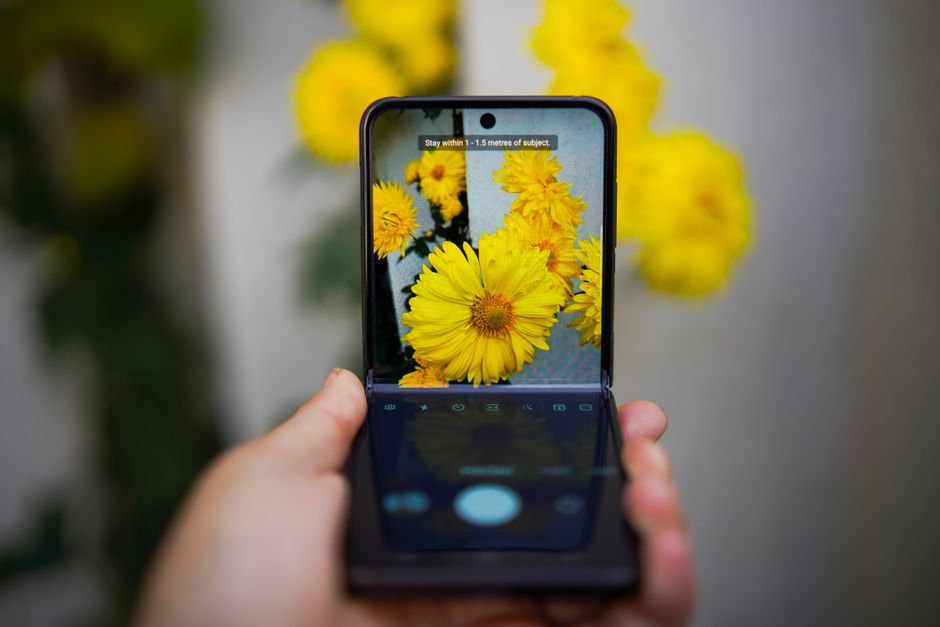
Video recording reaches 8K at 30fps or 4K at 60fps, with excellent electronic stabilization that smooths out walking footage. The ability to use the outer screen as a preview while shooting with the main cameras creates interesting creative possibilities for vlogging and selfies with superior image quality.
The 32MP inner selfie camera performs adequately for video calls but can’t match the quality of using the main cameras with the outer screen as a viewfinder. This dual-screen advantage means you’re never stuck with inferior selfie camera quality.
Performance and Software: Snapdragon Power with Android
The Snapdragon 8 Gen 3 processor delivers flagship performance without thermal throttling issues. Benchmark scores place it among the fastest Android phones available, though real-world performance matters more than synthetic tests.
Daily performance feels snappy and responsive. Apps launch instantly, multitasking handles demanding workloads smoothly, and I never encountered stuttering or lag during my testing period. The 12GB of RAM in the base model proves sufficient for power users who keep dozens of apps running simultaneously.
Gaming capability exceeds expectations. The phone handles graphically intensive titles at high settings without breaking a sweat. The large inner display and high refresh rate create an engaging gaming experience, though the unconventional aspect ratio occasionally causes compatibility quirks with older games.
Motorola’s Android skin remains remarkably close to stock Android, with thoughtful additions rather than bloatware. The customization options focus on foldable-specific features like flex mode, which splits the screen when partially folded for hands-free video calls or content consumption.
The flex mode software works well for supported apps, automatically adjusting the interface when you fold the phone at angles between 45 and 135 degrees. YouTube displays video on the top half while controls occupy the bottom, creating a laptop-like experience. Camera apps position controls on the lower screen while the viewfinder stays on top.
Motorola commits to four years of Android version updates and five years of security patches, a significant improvement over their previous support timeline. This commitment makes the Razr 70 Ultra a more viable long-term investment.
Multitasking on the foldable display works smoothly, with intuitive split-screen gestures and pop-up windows. You can run two apps side-by-side comfortably, though the screen width when unfolded makes this more practical for reading and browsing than productivity apps that need horizontal space.
Battery Life and Charging Speed
The 4,000mAh battery delivers all-day endurance for most users, though heavy users might need a top-up before bedtime. In my testing, typical usage (email, messaging, social media browsing, some photography and video streaming) left me with 20-30% battery at day’s end.
The outer screen significantly extends battery life. Handling quick tasks on the cover display instead of unfolding the phone for every notification preserves considerable power. On days when I consciously used the outer screen more aggressively, battery life improved noticeably.
68W fast charging fills the battery from empty to 50% in about 15 minutes and reaches full charge in approximately 45 minutes. These speeds compete well with other flagship devices and mean you can get meaningful charge during a morning shower or coffee break.
The 15W wireless charging provides convenient overnight charging, though it’s obviously slower than the wired option. Reverse wireless charging is also supported, letting you charge earbuds or other accessories in a pinch.
Battery health degradation over time remains a consideration with any foldable device due to space constraints limiting battery size. Motorola implements battery management features that slow degradation by limiting charge to 80% when you’re not in a hurry and learning your charging patterns.
Motorola Razr 70 Ultra vs. Galaxy Z Fold 6: Which is Better?
The price difference between these devices creates the most compelling argument for the Razr 70 Ultra. Motorola positions this phone several hundred dollars below Samsung’s flagship folder, while delivering comparable performance in most areas.
Display quality favors the Galaxy Z Fold 6 slightly, with Samsung’s panel technology offering marginally better brightness and color accuracy. The difference requires side-by-side comparison to notice. The crease visibility is similar on both devices, neither gaining a clear advantage.
Camera systems tell an interesting story. Samsung’s established computational photography gives the Z Fold 6 an edge in challenging conditions, but the Razr 70 Ultra holds its own in good lighting. For most users, both camera systems will produce satisfying results. The Razr’s telephoto lens provides more practical zoom range for everyday photography.
Durability and long-term reliability remain question marks for all foldable devices. Samsung’s longer track record with foldables provides more confidence, though Motorola’s improved hinge design and materials suggest they’ve learned from competitors’ experiences.
The software experience clearly favors Samsung if you’re invested in their ecosystem. Samsung’s DeX mode, extensive customization options, and tight integration with other Galaxy devices create value that extends beyond the phone itself. If you prefer cleaner Android with less bloatware, Motorola’s approach will appeal more.
Samsung promises seven years of Android updates for the Z Fold 6, significantly longer than Motorola’s four-year commitment. This extended support affects long-term value, especially if you plan to keep your foldable for many years.
Pros and Cons: Should You Buy?
Standout advantages of the Razr 70 Ultra include its genuinely useful outer display, competitive pricing, flagship performance, and improved durability. The form factor offers superior pocketability compared to book-style foldables, and the camera system punches above its weight class.
The vegan leather back option deserves specific mention as it provides excellent grip and a premium feel while being more sustainable than traditional leather.
Legitimate drawbacks include the visible crease, shorter software support than Samsung competitors, lack of official dust resistance rating, and modest battery capacity for power users. The unconventional aspect ratio creates occasional app compatibility issues, though these have become less common as developers optimize for foldables.
The Razr 70 Ultra suits fashion-conscious users who want cutting-edge tech, photography enthusiasts seeking a compact camera phone, and anyone tired of increasingly large candy-bar smartphones. The unique form factor makes it a conversation-starter that also delivers practical benefits.
Potential concerns about longevity center on the hinge mechanism and folding display. While Motorola’s testing suggests the hardware should last years, real-world durability over extended periods remains somewhat uncertain given the company’s shorter history in the foldable market compared to Samsung.
Value for this price tier is excellent. You’re getting flagship specs, innovative design, and practical advantages at a price point that makes foldable technology more accessible. If you’ve been curious about foldables but hesitant about Samsung’s premium pricing, the Razr 70 Ultra makes a compelling argument.
Final Verdict and Rating
The Motorola Razr 70 Ultra earns a strong recommendation with a rating of 8.5 out of 10. It successfully delivers flagship foldable performance at a more accessible price point than primary competitors, making it one of the best values in the foldable phone market.
Best use cases span fashion-forward professionals who want a device that stands out, photographers seeking a compact camera system with creative shooting angles, and anyone who prioritizes pocketability without sacrificing screen real estate. The outer display functionality makes it surprisingly practical for busy users who need quick information access.
Among 2026 flagship foldables, the Razr 70 Ultra ranks in the top tier for value proposition, though Samsung’s Galaxy Z Fold 6 edges it out for absolute performance and ecosystem integration. Google’s Pixel Fold competitor offers superior computational photography but can’t match the Razr’s price point.
You should wait for alternatives if you need the absolute longest software support commitment, want the most mature foldable ecosystem with accessories and third-party support, or require official dust resistance certification for your work environment.
As a long-term investment, the Razr 70 Ultra makes sense for a three-to-four-year ownership cycle. The hardware quality and performance headroom suggest it won’t feel outdated quickly, though Samsung’s extended update promise makes their devices slightly better for users planning five-plus year ownership.
The Motorola Razr 70 Ultra proves that foldable phones have matured beyond early adopter territory. It’s refined enough for mainstream users while remaining innovative enough to feel special. If you’re ready to embrace foldable technology without breaking the bank, this device deserves serious consideration.
Frequently Asked Questions
Is the Motorola Razr 70 Ultra worth the price compared to the Galaxy Z Fold 6?
Yes, if value matters most to you. The Razr 70 Ultra costs several hundred dollars less than the Galaxy Z Fold 6 while delivering comparable performance, cameras, and display quality. Samsung offers longer software support and a more mature ecosystem, but Motorola provides better bang for your buck with flagship specs at a more accessible price point.
How durable is the Razr 70 Ultra’s hinge and inner display?
Motorola rates the hinge for 400,000 folds, equivalent to over 10 years at 100 folds per day. The hinge feels solid with improved engineering over previous generations. The device has IPX8 water resistance but no official dust resistance rating. While long-term durability requires more time to assess, the build quality and materials suggest this is Motorola’s most durable foldable yet.
Does the Razr 70 Ultra support fast charging and wireless charging?
Yes, the Razr 70 Ultra supports 68W wired fast charging that reaches 50% in about 15 minutes and full charge in approximately 45 minutes. It also offers 15W wireless charging for convenient overnight charging and reverse wireless charging to power accessories like earbuds.
What is the camera quality like on the Razr 70 Ultra?
Camera quality is excellent for a foldable phone. The 50MP main sensor and 50MP telephoto lens deliver impressive photos in various lighting conditions with accurate colors and strong dynamic range. Low-light performance has improved significantly, and the ability to use the main cameras with the outer screen as a viewfinder gives you superior selfie quality compared to using the inner camera.
How long will the Motorola Razr 70 Ultra receive software updates?
Motorola commits to four years of Android version updates and five years of security patches for the Razr 70 Ultra. This represents a significant improvement over previous Motorola devices, though it’s shorter than Samsung’s seven-year commitment for the Galaxy Z Fold 6.