
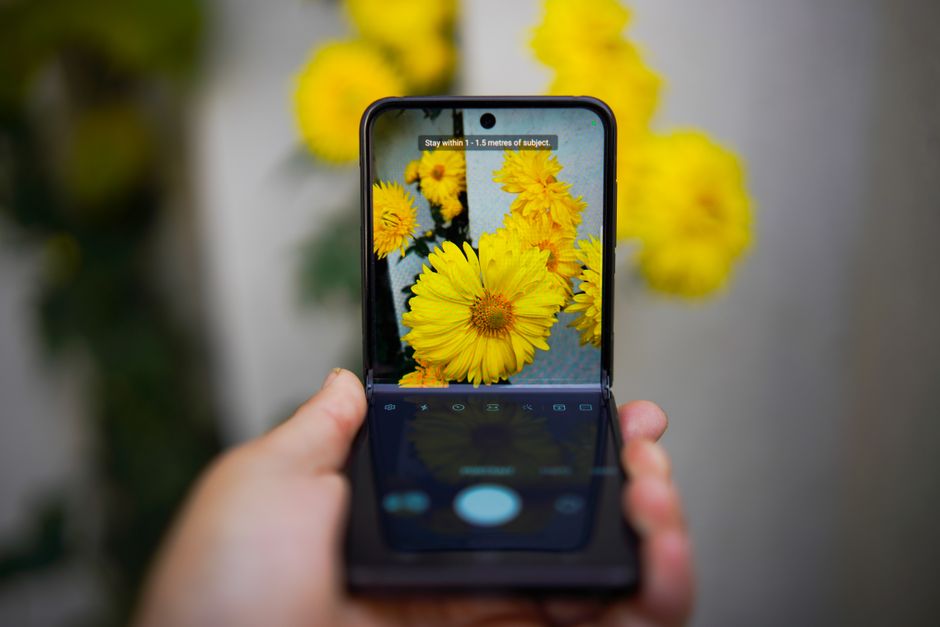
Apple is expected to unveil its first foldable iPhone next month, widely rumored to carry the name iPhone Ultra. The most talked-about detail so far isn’t a chip or a camera. It’s the screen setup: a 5.5-inch outer display paired with a 7.6-inch inner display when unfolded.
Here’s why that matters right now. Samsung just launched the Galaxy Z Fold 8, and it uses those exact same screen dimensions. Whether Samsung timed this release to get ahead of Apple is up for debate, but the practical result is the same either way. You can walk into a store today and hold a phone that closely previews the iPhone Ultra form factor before Apple says a single word about it.
This guide breaks down what those numbers actually mean for how the phone will feel in your hand, how it stacks up against devices you already know, and where it’s likely to land in Apple’s lineup.
What We Know About iPhone Ultra’s Screen Sizes in 2026
The rumored iPhone Ultra form factor centers on two displays working together. The 5.5-inch outer screen handles everyday tasks like checking notifications, replying to texts, and quick browsing without opening the phone. It’s roughly comparable to older, smaller iPhone models in terms of usable width, though foldable outer screens tend to be narrower and taller than a standard phone.
The 7.6-inch inner display is where things get interesting. Once unfolded, you get a screen that approaches small-tablet territory. That’s a massive jump from anything Apple currently offers in a phone, and it’s the whole reason foldable phones exist: more screen when you want it, a pocketable size when you don’t.
The fact that Samsung’s Galaxy Z Fold 8 landed on identical measurements isn’t a coincidence worth ignoring. It confirms these dimensions are close to the practical sweet spot for current foldable hinge technology and flexible display manufacturing. Both companies likely arrived at similar numbers because that’s roughly what the engineering allows right now, at a size that still feels wearable in a pocket.
iPhone Ultra vs. iPhone 16 Pro Max: How Big Is Too Big?
If you currently carry an iPhone 16 Pro Max, you already own the closest baseline for comparison. The Pro Max is Apple’s largest phone by far, with a 6.9-inch display in a single, non-folding body.
Folded, the iPhone Ultra will almost certainly be narrower than the Pro Max, since a folding screen needs to close in on itself. But it will also be noticeably thicker when closed, even with Apple’s engineering pedigree. Foldables carry a hinge and two display layers, so a folded phone is never going to match the slim profile of a traditional slab phone.
Unfolded, you’re not really holding a “big phone” anymore. You’re holding something closer to a small tablet that happens to fold in half. That changes how you use it entirely, from two-handed typing to watching video without feeling cramped.
The thickness trade-off is the part most people underestimate. A folded foldable phone typically feels chunkier in a pocket than even the Pro Max, and the added weight from the hinge mechanism and dual battery cells makes it noticeably heavier to hold one-handed for long periods.
How iPhone Ultra Compares to iPad Mini in Unfolded Mode
Apple already sells a small tablet: the iPad Mini. Its screen size sits in a similar ballpark to what the iPhone Ultra’s inner display is rumored to offer, which raises an obvious question. Why would you need both?
The answer comes down to aspect ratio and orientation. The iPad Mini is built around a traditional tablet shape optimized for landscape use, reading, and split-screen apps. A folding phone’s inner screen, by contrast, unfolds into something closer to a square, since it’s essentially two phone-width panels joined together.
That squarer shape changes how apps and content display. Video might not fill the screen edge to edge the way it does on the iPad Mini. Reading and multitasking apps, though, can genuinely shine on that more square canvas, giving you two full app windows side by side without the cramped feeling of a folded phone screen.
One thing is certain regardless of aspect ratio: one-handed use disappears completely once you unfold it. You’ll need both hands, a table, or a lap to comfortably use the inner display for anything beyond a glance. That’s simply the nature of a 7.6-inch panel, no matter which company builds it.
Galaxy Z Fold 8 as a Physical Preview of iPhone Ultra
This is the part that makes the Galaxy Z Fold 8 so useful right now. With matching 5.5-inch and 7.6-inch displays, it’s the closest hands-on preview of the iPhone Ultra form factor that exists anywhere today.
Pick one up and pay attention to a few things. First, the fold mechanism itself: modern hinges feel notably smoother than early foldable generations, with a satisfying, controlled motion rather than a loose flap. Second, listen for hinge sound. Years of refinement have made recent folding phones much quieter than their predecessors.
Crease visibility remains the most debated element of any foldable. Under direct light and certain viewing angles, you can still see a faint line where the screen folds, even on Samsung’s latest hardware. After six or more months of regular use, that crease tends to become more visible as the flexible display settles, though it rarely affects touch responsiveness.
Weight distribution shifts dramatically between folded and unfolded states. Folded, the phone feels dense and pocket-heavy. Unfolded, that same weight spreads across a wider surface, so it actually feels lighter in your hands than the folded weight would suggest.
iPhone Ultra in Apple’s Product Lineup: Where It Fits
Apple rarely launches a product to replace its best sellers outright. Expect the iPhone Ultra to sit above the iPhone 16 Pro Max as a new premium tier, not a direct successor to it.
Given the complexity of folding displays, hinge engineering, and dual battery systems, pricing will likely land well above the Pro Max, positioning the iPhone Ultra form factor as an aspirational, halo device rather than a mainstream upgrade path. Think of it the way Apple treats the Mac Pro relative to the MacBook: a flagship that showcases what’s possible, aimed at a smaller slice of buyers willing to pay for it.
That premium positioning also puts the iPad Mini in an odd spot. If the iPhone Ultra’s inner screen delivers tablet-like usability in your pocket, some Mini buyers may skip the tablet altogether. Apple has managed overlapping product lines before, but this is the first time a phone could genuinely eat into iPad territory.
Durability and Practicality: Lessons From Samsung’s Foldable
Samsung’s foldable lineup offers years of real-world durability data that Apple engineers have surely studied closely. Modern hinges are rated for hundreds of thousands of fold cycles, which translates to years of daily use without mechanical failure for most people.
The crease is a permanent visual trade-off, not a manufacturing flaw that gets fixed in future updates. Every flexible display maker faces the same physics problem, and no company has eliminated it entirely.
Water resistance has improved significantly on recent foldables, though flexible-screen phones still generally lag behind standard flagships in dust resistance due to the hinge’s exposed seams. Expect Apple to match or slightly exceed current foldable water resistance ratings, given its track record on the iPhone 16 Pro Max.
Case options remain more limited for foldables than standard phones, simply because the mechanism complicates protective design. Expect first-generation iPhone Ultra cases to be thicker and less varied than the sleek options available for the Pro Max at launch.
What Apple’s Design Language Means for iPhone Ultra’s Feel
Apple’s recent design language favors flat sides, rounded corners, and premium metal-and-glass construction. Applying that aesthetic to a folding frame means the iPhone Ultra will likely feel more rigid and squared-off in hand than the more rounded, plastic-accented Galaxy Z Fold 8.
Apple has a well-documented pattern of entering established product categories late, then refining the industrial design around durability and materials. Expect titanium or a similar premium alloy in the hinge assembly, closely mirroring the material choices already found in the Pro Max lineup.
Where Samsung’s foldable emphasizes lightness and flexibility, Apple’s version may lean slightly heavier in exchange for a sturdier, more premium feel. That trade-off fits Apple’s broader design philosophy of prioritizing perceived quality over minimizing weight, even if it means the iPhone Ultra ends up heavier than the Galaxy Z Fold 8.
The Bottom Line: Is iPhone Ultra’s Form Factor Right for You?
The iPhone Ultra form factor makes the most sense for people who genuinely use their phone as a productivity and media device: multitaskers, heavy readers, and anyone who’s wished their phone screen were bigger without wanting to carry a separate tablet.
If portability and pocket comfort matter more to you than screen real estate, a standard flagship like the iPhone 16 Pro Max remains the more practical choice. The folded thickness and added weight of any foldable are real trade-offs, not marketing footnotes.
Expect the iPhone Ultra to launch at a premium price point well above Apple’s current flagship, targeting early adopters and Apple loyalists curious about foldable technology rather than the mass market. Based on the rumored timeline, availability should follow shortly after next month’s announcement event, though initial supply for a first-generation foldable iPhone will likely be limited.
Until Apple makes it official, the Galaxy Z Fold 8 remains your best real-world stand-in. Go hold one, fold it, unfold it, and you’ll have a genuinely accurate feel for what’s coming.
Frequently Asked Questions
How much bigger is the iPhone Ultra when unfolded compared to iPhone 16 Pro Max?
The iPhone Ultra’s rumored 7.6-inch inner display is significantly larger than the iPhone 16 Pro Max’s 6.9-inch screen, and it also unfolds into a wider, more square shape rather than a tall rectangle. That gives it noticeably more usable screen area for multitasking and media compared to the Pro Max.
Will the iPhone Ultra have the same crease as Samsung Galaxy Z Fold 8?
Some degree of crease is likely unavoidable given current flexible display technology, though Apple may refine the hinge design to minimize its visibility. Expect a similar, though possibly less pronounced, crease compared to the Galaxy Z Fold 8.
Can you use the iPhone Ultra one-handed when it’s fully unfolded?
No, a 7.6-inch unfolded display is too large and wide for comfortable one-handed use. You’ll need both hands, or a flat surface, similar to how you’d use the Galaxy Z Fold 8 or a small tablet.
How does the 5.5-inch outer display compare to current iPhone sizes?
A 5.5-inch outer display is narrower and often taller than Apple’s current standard iPhone screens, since it needs to fit within a folded, book-like shape. It’s usable for quick tasks but feels more cramped than a standard iPhone screen for typing or browsing.
What’s the expected thickness of the iPhone Ultra when folded?
The iPhone Ultra will likely be thicker than the iPhone 16 Pro Max when folded, since it has to accommodate a hinge mechanism and two display layers. Based on comparable foldables like the Galaxy Z Fold 8, expect a noticeably chunkier profile in folded form despite Apple’s engineering efforts to slim it down.