
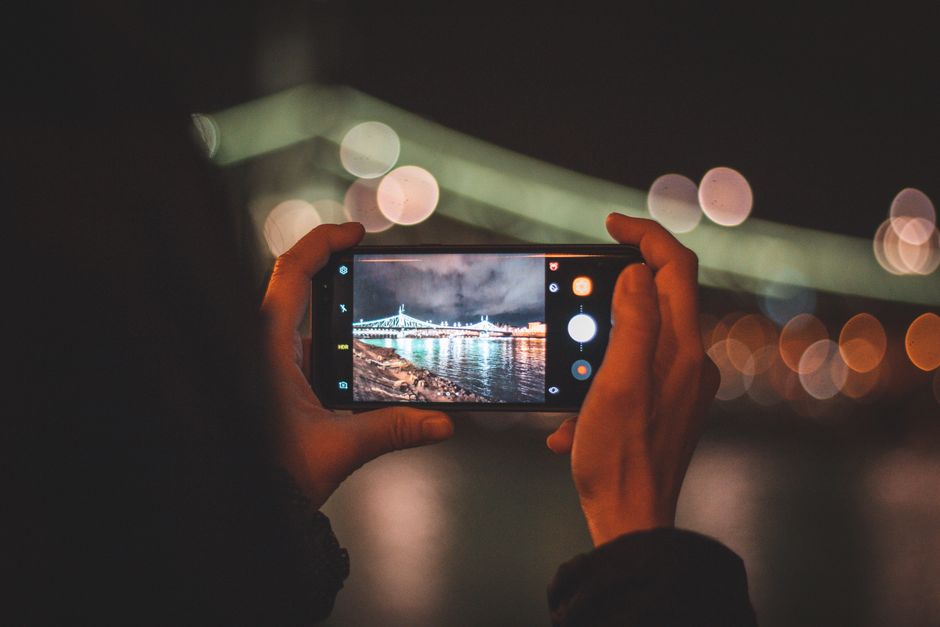
Night Sight revolutionized smartphone photography when Google introduced it, but relying on it alone means you’re missing out on significantly better low-light shots. After years of testing Pixel phones in challenging lighting conditions, I’ve found three lesser-known features that consistently deliver cleaner, sharper, and more professional-looking night photos than Night Sight by itself.
These Pixel camera night photography features work together to solve problems Night Sight can’t address on its own. Whether you’re shooting moving subjects at evening events, dealing with distracting light sources in urban environments, or want creative control over your exposure, these tools fill critical gaps in Google’s automated approach.
Why Night Sight Alone Isn’t Enough for Perfect Low-Light Photos
Night Sight excels at brightening static scenes in darkness, but it struggles in specific real-world scenarios. Motion blur remains a persistent problem when subjects move during Night Sight’s multi-frame capture process. The feature also lacks selective focus control, meaning you can’t isolate subjects the way you might want for artistic low-light portraits.
Color accuracy presents another challenge. Night Sight’s aggressive processing sometimes creates unnatural warm tones or overexposes bright areas like streetlights and neon signs. When you’re shooting in mixed lighting conditions with both natural and artificial sources, the automated white balance often misses the mark.
Flagship smartphones need multiple specialized tools because different night situations demand different approaches. A candid portrait at a dimly lit restaurant requires different processing than a cityscape with bright signage. The gap between automated and manual control matters when you want your photos to match your creative vision rather than accepting what the algorithm decides.
Feature #1: Magic Eraser for Post-Processing Night Shots
Magic Eraser transforms how you handle compositional problems in low-light photography. This feature works particularly well with underexposed night photos because the slightly darker, noisier background actually helps the AI distinguish between elements you want to keep and distractions you want removed.
Removing unwanted light sources becomes incredibly valuable after dark. That bright streetlight creating a distracting bloom in your night portrait? Magic Eraser can eliminate it without the complex masking you’d need in desktop editing software. Reflections in windows, passing car headlights, and illuminated signs that compete with your main subject all disappear with a simple selection.
The key is knowing when to use Magic Eraser instead of trying to avoid these elements while shooting. Sometimes the best composition includes a distracting element you can’t avoid in the moment. Shoot the photo anyway, then clean it up in post-processing. This approach gives you more flexibility than constraining your framing to avoid temporary distractions.
I’ve found Magic Eraser particularly useful for urban night photography where you can’t control background elements. That person walking through your long-exposure shot or the delivery truck parked in an otherwise perfect street scene disappears in seconds, leaving a cleaner composition that keeps attention on your intended subject.
Feature #2: Face Unblur for Sharp Portraits After Dark
Face Unblur solves one of Night Sight’s biggest weaknesses by specifically combating motion blur in night portrait mode. While Night Sight captures multiple frames and merges them, any subject movement creates blur. Face Unblur uses a dedicated high-speed capture alongside the main exposure, then intelligently merges the sharp facial details into the final image.
Real-world improvements show up immediately in party, event, and candid low-light photography. Your friend laughing at dinner, kids playing at an evening gathering, or concert moments all benefit from Face Unblur’s ability to freeze facial expressions while maintaining Night Sight’s exposure benefits.
The comparison between Face Unblur and standard Night Sight for portrait clarity is dramatic. Night Sight alone produces softer facial features when subjects aren’t perfectly still, with details like eyelashes, individual hairs, and skin texture appearing slightly blurred. Face Unblur recovers that sharpness, making the difference between a usable photo and one you’d actually want to share.
This feature activates automatically when the camera detects faces in low light, but you should verify it’s enabled in your camera settings. The processing takes slightly longer than a standard Night Sight shot, but the sharpness improvement justifies the extra second of processing time.
Feature #3: Manual Controls in Pro Mode for Precise Exposure
While not all Pixel phones include a native Pro Mode, third-party camera apps give you access to manual controls that dramatically expand your creative options in darkness. Adjusting ISO, shutter speed, and white balance manually lets you achieve specific looks that Night Sight’s automation won’t deliver.
Lowering your ISO to 400 or 800 and extending your shutter speed creates cleaner images with less noise than Night Sight’s approach of pushing ISO higher. This works when you have a stable surface or tripod and a static subject. The grain reduction alone makes manual mode worthwhile for landscape and architecture shots.
White balance control becomes critical when shooting under mixed lighting. Night Sight tends to warm up scenes with artificial lighting, but manual white balance lets you cool things down for a more neutral or even stylistically cold appearance. This creative control separates snapshots from intentionally crafted images.
Pro Mode outperforms Night Sight’s automated approach when you want specific artistic effects. Light trails from passing cars, star photography with longer exposures, or deliberately underexposed silhouettes against bright backgrounds all require manual control. Google’s camera settings include helpful options for experienced photographers seeking more control.
Creative night photography techniques using manual exposure control include long exposures for smooth water effects in fountains, intentional motion blur for creative effect, and precise highlight preservation by underexposing slightly and lifting shadows in post-processing.
How to Combine These Three Features for Maximum Results
The most powerful approach uses all three features in sequence. Start by shooting in Pro Mode when you need specific exposure control, capturing your scene with manual settings optimized for your creative vision. This gives you the cleanest base image with minimal noise and proper exposure distribution.
Next, apply Face Unblur during capture when photographing people in low light. This happens automatically if you’ve enabled the feature, working alongside either Night Sight or your manual exposure to ensure sharp facial details regardless of slight subject movement.
Finally, refine your image with Magic Eraser to remove compositional distractions. This post-processing step cleans up elements you couldn’t control during capture, from unwanted people in the background to distracting light sources that pull attention from your main subject.
Best practices for layering these tools without over-processing include limiting Magic Eraser to genuinely distracting elements rather than removing everything that isn’t your primary subject. Photos need context and environment to feel natural. Similarly, don’t assume Pro Mode is always necessary; Night Sight with Face Unblur handles most casual situations perfectly well.
Before-and-after comparisons reveal the cumulative impact. A night portrait shot in Pro Mode with Face Unblur enabled and distracting background signs removed via Magic Eraser shows dramatically better sharpness, cleaner composition, and more intentional exposure than a single-tap Night Sight photo of the same scene.
Common Mistakes Users Make With These Hidden Features
Overusing Magic Eraser creates the most obvious processing artifacts. Removing too many elements leaves photos looking artificially empty, with unnatural backgrounds that feel like poorly executed composites. The AI occasionally struggles with complex removal tasks, leaving obvious patches or distortions that make the edit apparent.
Not enabling Face Unblur before shooting critical night portraits represents a missed opportunity you can’t recover later. Unlike Magic Eraser, which works in post-processing, Face Unblur must be active during capture to record the high-speed facial data it merges with the main exposure. Check your settings before important events.
Ignoring Pro Mode because Night Sight seems adequate limits your creative growth as a mobile photographer. While Night Sight produces impressive automated results, you’ll never achieve certain artistic effects without manual control. The learning curve feels steep initially, but experimenting with ISO and shutter speed in safe situations builds confidence quickly.
Another common error involves using maximum ISO in Pro Mode, which defeats the purpose of manual control. Night Sight already pushes ISO aggressively; Pro Mode should let you reduce it for cleaner images when conditions permit longer exposures.
Pro Tips for Night Photography on Pixel Phones
Stabilization techniques maximize manual control benefits dramatically. Lean against walls, rest your phone on solid surfaces, or use a small tripod designed for smartphones. Even reducing your shutter speed from 1/15th to 1/4th of a second produces noticeably sharper results when properly stabilized.
Knowing when to use each feature based on the situation becomes intuitive with practice. Use Magic Eraser for street photography with unavoidable distractions, Face Unblur for any photo including people in low light, and Pro Mode when you have time to compose carefully and want specific creative control.
These features compare favorably to competitor flagship night modes. While Apple’s Night Mode and Samsung’s Night Mode produce excellent results, the combination of computational photography (Night Sight, Face Unblur) and accessible post-processing (Magic Eraser) gives Pixel users more flexibility to refine images after capture.
Shooting in RAW format when using Pro Mode preserves maximum editing flexibility. While this produces larger files, you can recover highlights and shadows more aggressively than with processed JPEGs, particularly important for high-contrast night scenes.
Composition, timing, and light awareness matter more than any computational feature. These tools simply help you execute your vision more effectively in challenging lighting conditions.
Frequently Asked Questions
What’s the difference between Night Sight and these three hidden features?
Night Sight is an automated mode that brightens dark scenes through multi-frame processing. Magic Eraser, Face Unblur, and Pro Mode are specialized tools that address specific problems Night Sight can’t solve alone, like removing distractions, sharpening moving faces, or providing manual exposure control for creative effects.
Can I use Magic Eraser and Face Unblur together on the same photo?
Yes, and this combination produces excellent results for night portraits. Face Unblur works during capture to sharpen facial features, while Magic Eraser cleans up distracting background elements afterward. Using both tools together gives you sharp subjects in clean compositions.
Is Pro Mode better than Night Sight for night photography on Pixel phones?
Pro Mode isn’t inherently better, just different. Night Sight excels for quick, automated low-light shots, while Pro Mode gives you creative control over exposure settings. Pro Mode works best when you have stabilization, time to adjust settings, and want specific artistic effects that automated processing won’t deliver.
Do these features work on all Pixel phone models?
Magic Eraser and Face Unblur are available on Pixel 6 and newer models. Pro Mode isn’t included natively on Pixel phones, but third-party camera apps provide manual controls on all Pixel models. Night Sight works across all Pixel generations, though newer models process images faster.
How do I enable Face Unblur if I don’t see it in my camera app?
Open the Pixel Camera app, tap the Settings gear icon, scroll to Advanced settings, and ensure Face Unblur is toggled on. The feature only appears on Pixel 6 and newer models. Once enabled, it activates automatically when the camera detects faces in low-light conditions.