
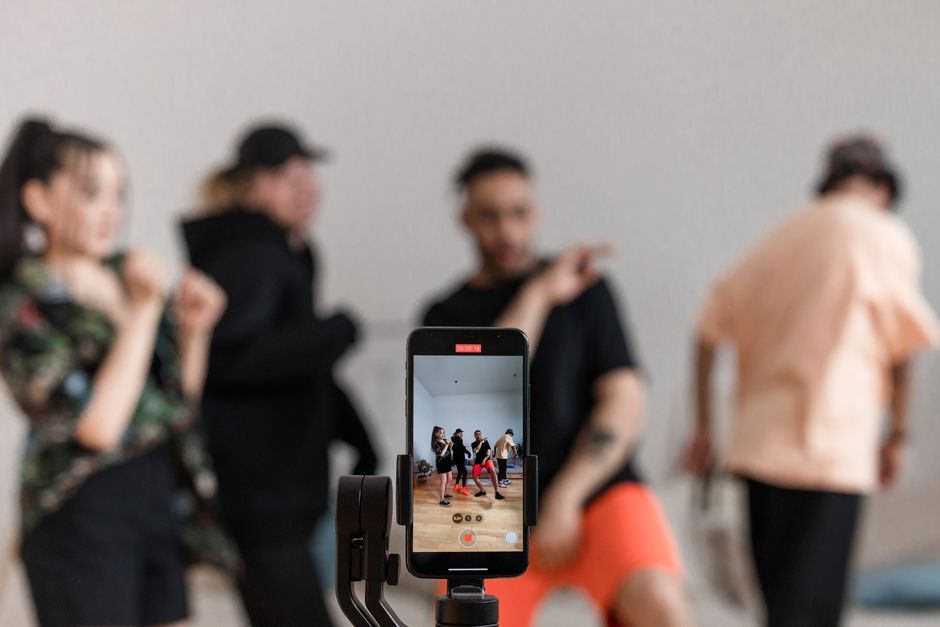
We invited our colleagues from Versus to participate in one of the most revealing camera comparisons we’ve done: a completely blind flagship smartphone video test. The goal was simple but illuminating—remove all brand bias and let the footage speak for itself.
Will from our video team and Olive from Versus sat down to evaluate video clips from three of 2026’s top contenders: the Samsung Galaxy S26 Ultra, Google Pixel 10 Pro XL, and iPhone 17 Pro Max. Each reviewer attempted to identify which phone captured which video while assessing overall quality. The results surprised even these seasoned experts.
Why Blind Testing Reveals True Video Quality
Brand loyalty runs deep in the smartphone world. Apple users swear by their iPhone cameras, Samsung devotees point to versatile hardware, and Pixel fans champion computational photography. These biases often color our perception before we even look at the results.
Blind testing strips away these preconceptions entirely. When you don’t know whether you’re watching footage from a $1,200 flagship or its competitor, you evaluate based purely on what you see. Colors, detail, stabilization, and dynamic range become the only factors that matter. This approach matters more in 2026 than ever before because flagship phones have reached such a high baseline of quality that differences can be subtle.
The question isn’t whether these phones shoot good video—they all do. The question is whether those differences are meaningful enough to influence your purchase decision. Our three competitors represent different philosophies. Samsung traditionally emphasizes vibrant colors and extensive manual controls. Google relies heavily on computational processing and AI-driven improvements. Apple focuses on color accuracy and seamless integration across its ecosystem.
The Testing Methodology Behind Our Flagship Smartphone Video Test
Will and Olive brought years of camera review experience to this evaluation. Both have tested dozens of flagship devices and understand the technical nuances that separate excellent from exceptional video quality.
The test covered multiple real-world scenarios that content creators and everyday users encounter regularly. Each phone recorded the same scenes under identical conditions, with all devices set to their default video settings. This approach reflects how most people actually use their phones without adjusting pro modes or manual settings.
Scenarios included challenging low-light environments, fast-moving subjects to test stabilization, high-contrast scenes with bright highlights and deep shadows, outdoor footage in various lighting conditions, and close-up shots requiring accurate focus tracking. Each clip was labeled only with letters, completely concealing which phone captured which footage.
The reviewers judged footage based on several critical criteria: color accuracy and white balance consistency, detail preservation in both highlights and shadows, stabilization effectiveness during handheld movement, autofocus speed and reliability, natural skin tone appearance, and how well each phone handled transitions between different lighting conditions. Before revealing any answers, both reviewers committed to their guesses and shared candid assessments of what they liked and disliked about each clip.
Can Expert Reviewers Actually Identify These Phones?
The identification results were humbling for both reviewers. Even with their extensive experience, correctly matching every video to its corresponding phone proved nearly impossible. Will correctly identified approximately 60% of the clips, while Olive managed slightly better at around 65%.
These aren’t terrible success rates, but they’re far from perfect—and that’s precisely the point. When flagship phones reach this level of quality, even trained eyes struggle to distinguish between them consistently. The confusion happened for fascinating reasons. The Galaxy S26 Ultra’s video processing has evolved significantly from previous generations, with Samsung toning down the aggressive color saturation that once made its phones instantly recognizable. Several clips that both reviewers attributed to Samsung actually came from the Pixel 10 Pro XL.
Google’s computational photography continues advancing, but its video processing now produces results that sometimes mimic Apple’s more neutral approach. Multiple clips that appeared to show Apple’s characteristically accurate skin tones actually originated from the Pixel. The iPhone 17 Pro Max proved most recognizable in certain scenarios, particularly in consistent lighting with minimal movement, but in dynamic situations with rapid lighting changes, even Apple’s footage became harder to pinpoint with certainty.
Both reviewers noted unexpected similarities in how these phones handle video stabilization. The differences that existed just two or three generations ago have narrowed considerably, with all three phones now employing sophisticated sensor-shift stabilization combined with digital processing.
Performance Across Different Shooting Conditions
Low-light performance revealed some of the clearest differentiation between phones. The Galaxy S26 Ultra’s larger sensor and wider aperture captured noticeably more light in the darkest scenes. However, this advantage came with a trade-off—Samsung’s aggressive noise reduction sometimes created a slightly artificial, smoothed appearance.
The Pixel 10 Pro XL took a different approach, preserving more texture and grain in shadows with a more film-like quality. Google’s computational processing excelled at maintaining color accuracy even when light levels dropped. Apple’s iPhone 17 Pro Max struck a middle ground by not capturing quite as much raw light as the Samsung but maintaining natural detail without over-smoothing.
Stabilization testing produced impressive results across all three devices. When walking while filming, all phones delivered usable footage without dedicated gimbals. The Galaxy S26 Ultra showed slight edge performance when running or during more aggressive movement, likely due to its enhanced sensor-shift system. The Pixel 10 Pro XL occasionally exhibited minor micro-jitters during rapid panning movements, though most casual viewers wouldn’t notice. The iPhone maintained the most consistent stabilization across different movement speeds.
Color grading and white balance characteristics showed the most philosophical differences. Samsung continues favoring slightly cooler tones with enhanced blues and greens, making outdoor landscapes pop but occasionally leaning too cool for skin tones. Google has refined its color science to target “accurate vibrancy”—colors that feel lively without appearing oversaturated. The iPhone 17 Pro Max delivered the most color-accurate footage when compared to professional reference monitors, providing maximum flexibility for color grading.
Which Phone Captured the Best Video Overall?
After extensive deliberation, Will and Olive reached a nuanced consensus: no single phone dominated every category. The “best” choice depends heavily on your priorities and workflow.
For overall video quality in the widest range of conditions, both reviewers gave a narrow edge to the iPhone 17 Pro Max. Its consistency across different scenarios, reliable autofocus, and balanced processing make it the safest choice for users who want excellent results without thinking about settings. The Galaxy S26 Ultra earned top marks for specific use cases, as content creators who want the most creative control, need the best low-light capability, or prefer vibrant out-of-camera colors will appreciate Samsung’s approach.
The Pixel 10 Pro XL impressed both reviewers with its computational capabilities. Google’s AI-driven features like automatically tracking subjects and adjusting exposure for faces make it incredibly user-friendly. Both experts emphasized that differences between these phones are smaller than ever, with users choosing between different flavors of excellent rather than good versus bad.
The practical implications for content creators center on workflow integration more than pure quality. If you edit in Final Cut Pro and use other Apple devices, the iPhone’s ecosystem advantages matter. If you prefer vivid colors and extensive manual control, Samsung delivers. If you want AI assistance and computational enhancement, Google leads.
What This Flagship Smartphone Video Test Reveals About 2026
This blind test demonstrates that flagship phone cameras have reached a plateau where all top-tier devices perform excellently. The convergence in video quality across brands reflects industry trends: sensor technology has matured with most flagships using similar Sony or Samsung sensors, computational photography has evolved from a differentiator to a standard feature, and stabilization technology has similarly converged.
Differentiation still exists in three main areas. Color science remains distinctly different between manufacturers, reflecting philosophical choices rather than technical limitations. User interface and controls vary significantly, affecting how easily you can access specific features. Ecosystem integration creates real value for users invested in particular platforms, even if pure image quality differences are minimal.
Future expectations for smartphone video point toward AI playing an even larger role, with features like automatic subject tracking, intelligent scene detection, and real-time video enhancement likely defining the next generation more than incremental hardware improvements. We’re also seeing increased emphasis on post-capture editing capabilities built directly into camera apps.
Specs Don’t Tell the Whole Story
This blind test reinforces a crucial lesson: specifications sheets provide limited insight into real-world performance. A phone with a larger sensor or higher megapixel count doesn’t automatically capture better video because processing matters as much as hardware.
How a phone interprets sensor data, applies noise reduction, handles dynamic range, and renders colors determines the final result more than raw specifications. Real-world testing beats theoretical comparisons every time. For different use cases, the best phone varies significantly.
Vloggers and content creators who need reliable autofocus and smooth stabilization should lean toward the iPhone 17 Pro Max or Galaxy S26 Ultra. Social media users who want eye-catching colors straight out of camera might prefer Samsung’s vibrant processing. Users who prioritize simplicity will appreciate the Pixel 10 Pro XL’s computational approach.
Should you choose based on video quality alone? Probably not. At this performance level, other factors matter more: your existing ecosystem, preferred user interface, battery life needs, and overall feature set. The good news is that you can’t really make a wrong choice among these flagships.
Final Verdict for Video Shooters
If you’re upgrading from a phone more than two generations old, any of these flagships will impress you with substantial leaps in video quality, stabilization, and low-light performance. For users choosing between these specific models, focus on your ecosystem and preferences rather than agonizing over video quality differences.
All three phones deliver exceptional results, so your decision should factor in whether you prefer iOS or Android, what other devices you own, and which interface feels most intuitive. This blind flagship smartphone video test demonstrates that we’ve entered an era where the camera is no longer the primary differentiator between flagship phones. That’s a win for consumers—you can choose based on other priorities knowing that video quality will be excellent regardless of your selection.
Frequently Asked Questions
What scenarios did the blind video test cover?
The test included challenging low-light environments, fast-moving subjects to evaluate stabilization, high-contrast scenes with bright highlights and deep shadows, outdoor footage in various lighting conditions, and close-up shots requiring accurate focus tracking. All phones recorded identical scenes under the same conditions using default settings.
Did reviewers correctly guess which phone filmed each video?
The expert reviewers correctly identified approximately 60-65% of the videos, which demonstrates how similar flagship video quality has become. Even seasoned professionals struggled to consistently distinguish between the Samsung Galaxy S26 Ultra, Pixel 10 Pro XL, and iPhone 17 Pro Max based solely on footage quality.
Which flagship takes the best 4K video in 2026?
The iPhone 17 Pro Max received a narrow edge for overall consistency across the widest range of conditions, with reliable autofocus and balanced processing. However, the Galaxy S26 Ultra excelled in low-light and manual control, while the Pixel 10 Pro XL offered superior computational features and AI-driven assistance.
How does iPhone 17 Pro Max video compare to Samsung and Google?
The iPhone 17 Pro Max delivers the most color-accurate footage with consistent stabilization across different scenarios, making it ideal for users who want reliable results. Samsung offers more vibrant colors and better low-light performance, while Google provides superior AI-driven features and computational enhancement for point-and-shoot simplicity.
What is the difference in video stabilization between these phones?
All three phones deliver excellent stabilization with only subtle differences. The Galaxy S26 Ultra showed slight edge performance during aggressive movement like running, the Pixel 10 Pro XL occasionally exhibited minor micro-jitters during rapid panning, and the iPhone maintained the most consistent stabilization across different movement speeds.
Which phone is best for vlogging and content creation?
For vlogging and content creation, the iPhone 17 Pro Max and Galaxy S26 Ultra both excel with reliable autofocus and smooth stabilization while walking. The iPhone offers better ecosystem integration for Apple users, while the Samsung provides more manual controls and vibrant out-of-camera colors that appeal to creators who want creative flexibility.