
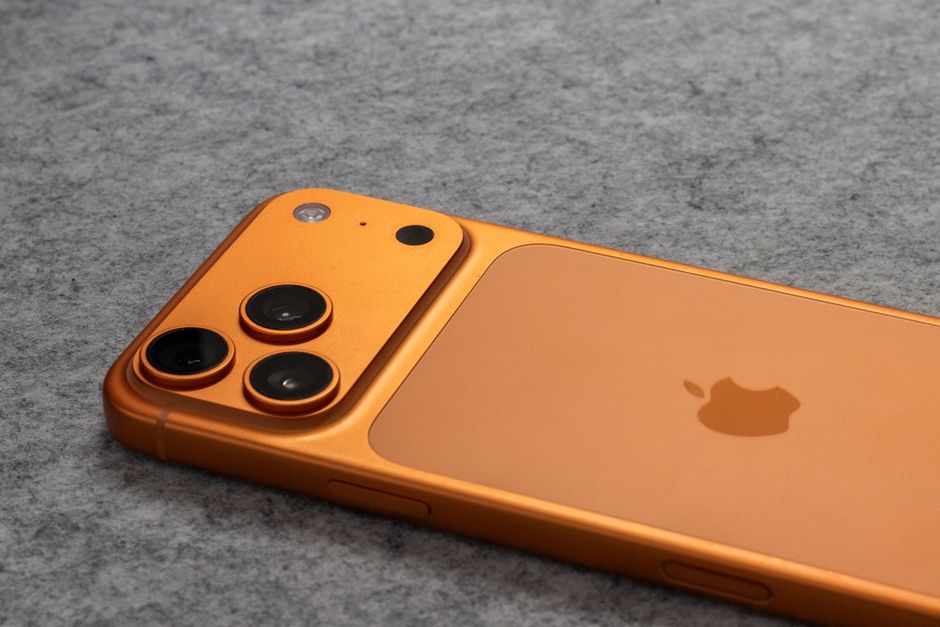
Apple is reportedly preparing three iPhone 18 Pro design changes that could reshape how the phone looks, feels, and holds up over time. With the announcement roughly two months away, leaks compiled from supply chain sources and repeated by outlets like 9to5Mac suggest Apple is willing to break from familiar design language this cycle. iPhone Pro models have followed a fairly predictable formula for years, so this shift represents a significant departure.
If you are debating an upgrade or want to know what to expect before Apple’s announcement, here is a breakdown of the three changes causing the most buzz, why they are controversial, and whether they should affect your buying decision.
What Are the Three Controversial iPhone 18 Pro Design Changes?
The rumors circulating right now point to three specific shifts:
- A reshaped rear camera module, moving away from the vertical, triangular lens arrangement iPhone users have grown used to.
- A possible change in frame material, with some leaks suggesting Apple could pull back from titanium after just a couple of generations.
- A move toward solid-state, capacitive buttons, replacing the physical power and volume buttons with pressure-sensitive surfaces.
Each of these would represent a real departure from the iPhone 17 Pro, which kept the familiar camera layout, titanium sides, and mechanical buttons that iPhone users have relied on for years. Apple has good reasons to consider all three: better internal space for batteries, tighter manufacturing tolerances, and fewer moving parts that can fail or let in dust and water.
Design Change #1: A Reshaped Camera Bar
The most talked-about change is a redesigned rear camera module. Instead of the vertical, squared-off arrangement used on recent Pro models, leaks suggest Apple could shift to a wider, horizontal bar that spans more of the phone’s back. Similar layouts have shown up on Android phones for years, and Apple has reportedly tested versions of this concept internally before.
The concern among iPhone fans is mostly aesthetic and practical. A wider camera bump could mean existing cases and screen protectors stop fitting, and some users worry a larger camera housing will make the phone wobble more on flat surfaces. On the upside, a wider module gives Apple more room to space out lenses, which can reduce lens flare and improve computational photography.
Design Change #2: A Possible Shift Away From Titanium
Apple made a big deal out of switching the Pro line to a titanium frame, marketing it as a durability and weight upgrade. Now rumors suggest the iPhone 18 Pro could move to a different material, possibly a refined aluminum alloy or a hybrid approach, for at least part of the frame. This stings for a specific reason: titanium was positioned as a premium differentiator between the Pro models and the standard iPhone lineup.
Apple’s likely motivation here is practical. Titanium is expensive to machine, harder to recycle efficiently, and can make thermal management trickier inside a thin chassis. Other phone makers have moved between aluminum, steel, and titanium across generations depending on cost and performance goals, so Apple adjusting course would not be unprecedented.
Design Change #3: Solid-State, Capacitive Buttons
The third change is arguably the most functionally significant. Leaks point to Apple replacing the physical volume and power buttons with solid-state, capacitive versions that use haptic feedback instead of a mechanical click. Apple has already tested this territory with camera control features on recent models, so expanding the concept to core buttons would not come out of nowhere.
Technically, solid-state buttons can improve water resistance, reduce the number of parts that wear out, and give Apple more flexibility for thinner designs. The downside is user trust. Physical buttons work even when a phone is soaking wet, frozen, or has a dead battery, since they do not rely on haptic engines or software.
Why Are iPhone Users Concerned About These Changes?
Put together, these three changes touch the parts of an iPhone people interact with constantly: the way it looks, the way it feels in hand, and the way basic controls respond. There are three main worries showing up in early reactions.
Users worry about losing familiar design cues, since the current camera layout and titanium finish have become part of how people identify a modern iPhone Pro at a glance. Durability and usability questions also loom large, since solid-state buttons and a new frame material are unproven at scale until real-world testing happens after launch. A reshaped camera bump likely means new cases, and any frame or button changes could affect repair pricing and parts availability.
Will These Changes Affect iPhone 18 Pro Adoption?
Apple has weathered design controversy before. The move to Face ID, the removal of the headphone jack, and the switch to USB-C all drew heavy criticism at launch, yet all stuck and eventually became industry norms. History suggests initial backlash rarely translates into a sales slump, especially among users who upgrade every few years regardless of design tweaks.
That said, three simultaneous changes is more than Apple usually attempts in one generation, which could make this launch feel riskier than most. Expect a split reaction. Long-time Pro users who care about resale value and a familiar feel may hesitate or wait for real-world reviews.
What Should Potential Buyers Know Before the Announcement?
Apple typically confirms new iPhone designs at its annual fall event, which puts official details roughly two months away as of mid-2026. Until then, everything here should be treated as a rumor, not a guarantee. If you are trying to decide whether to wait for the iPhone 18 Pro or buy something now, ask yourself a few practical questions.
Do you rely on your current case, screen protector, or MagSafe accessories enough that a camera redesign would be annoying? Does frame material actually affect your daily experience, or is it mostly a marketing detail? Would you notice or care about a shift from mechanical to solid-state buttons in everyday use?
If the answer to all three is ‘not really,’ the design changes probably will not affect your decision much. If you are someone who keeps phones for many years and values long-term reliability, it may be worth waiting for independent durability testing after launch before committing.
Apple has not confirmed any of these changes, and details can shift right up until launch. The direction of these rumors suggests Apple is willing to trade some familiarity for what it sees as meaningful engineering upgrades. Whether that trade feels worth it will depend a lot on how well each change is executed.
Frequently Asked Questions
What exactly are the three controversial design changes for iPhone 18 Pro?
Rumors point to a reshaped, wider horizontal camera bar, a possible shift away from titanium to a different frame material, and a move to solid-state capacitive buttons instead of physical power and volume buttons. None of these are officially confirmed yet.
Will the iPhone 18 Pro be more expensive due to these design changes?
There is no confirmed pricing information yet. New materials or manufacturing processes could influence cost, but Apple has historically kept Pro pricing relatively stable between generations even when internal components change.
Can I still use my current iPhone accessories with iPhone 18 Pro?
If the camera module is reshaped as rumored, existing cases and some screen protectors likely will not fit properly. MagSafe accessories should still work since that magnetic ring placement typically stays consistent across models.
When will Apple officially announce the iPhone 18 Pro design?
Apple typically unveils new iPhones at its annual fall event, which puts an official announcement about two months away from mid-2026. Exact dates are usually confirmed a few weeks before the event.
How do these changes compare to iPhone 17 Pro?
The iPhone 17 Pro kept a titanium frame, a vertical camera arrangement, and traditional physical buttons. If the iPhone 18 Pro rumors hold true, it would mark one of the more significant single-generation design shifts in recent years.