
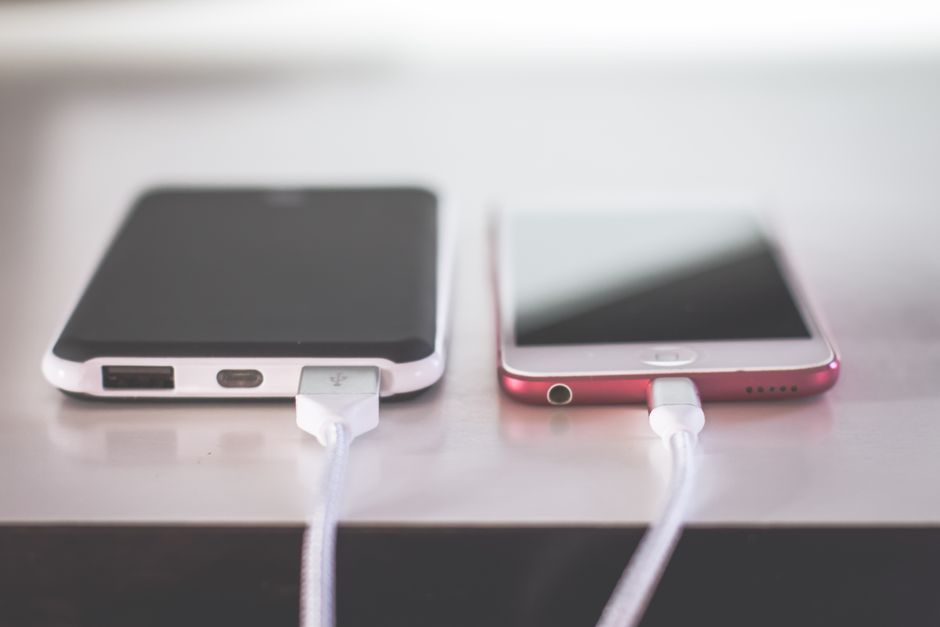
Your phone battery always seems to die at the worst possible moment. That’s exactly why an affordable backup charger deserves a permanent spot in your bag, car, or desk drawer, and the $10 Anker charger has quietly become the go-to pick for people who want reliability without the premium price tag. It charges fast, works with nearly every device you own, and costs less than a fast-food lunch.
If you have ever been stuck at 8% battery with no outlet in sight, you already understand the appeal. Here is why this little charger is worth grabbing, what it actually offers, and how to build a backup charging setup that never lets you down.
Why You Need a Backup Charger
Modern smartphones do more than ever, which means they drain faster than phones from just a few years ago. Streaming, navigation, mobile gaming, and constant notifications all pull power throughout the day. Even with solid Android battery optimization settings, heavy use can drain a full charge before dinner.
Backup chargers solve problems you cannot always predict:
- A power outage during a storm
- A dead charger cable right before a work trip
- A hotel room with only one outlet near the bed
- A long commute with a phone stuck at 5%
Relying on a single charging setup at home is risky. One frayed cable or one forgotten adapter, and you are without power when you need it most. Having a couple of extra chargers around is not overkill; it is smart planning, especially for professionals and frequent travelers who cannot afford a dead phone.
What Makes the Anker $10 Charger Stand Out
Anker has spent years building a reputation for dependable charging gear, and this budget model does not cut the corners you would expect at this price. The build quality feels sturdy rather than flimsy, with a compact block that survives regular tossing into bags and glove compartments.
Despite the low price, it still delivers fast charging speeds that hold up against far more expensive alternatives. You are not sacrificing performance to save money here, which is rare in the budget electronics space.
A few standout traits:
- Small, pocket-friendly design
- Sturdy housing that resists cracking
- Consistent charging speed across multiple sessions
- Backed by a brand with a long track record of quality control
That last point matters more than people realize. Anker has built trust over more than a decade, which gives buyers confidence that a $10 price tag is not a red flag.
Specs and Compatibility: Will It Work With Your Devices?
One of the biggest selling points of this charger is how universal it is. Whether you carry an iPhone, an Android phone, or a tablet, this charger is built to handle it.
Here is what to expect:
- Compatible with USB-C and Lightning cables (cable sold separately or bundled depending on the version you buy)
- Output power suited for standard fast charging on most phones
- Safety certifications that meet industry standards for overheating and overcharging protection
- Works across iPhone, Android, and most tablets without special adapters
Because it is not locked into one ecosystem, this charger works well as a shared household backup. You do not need a separate charger for every family member’s device.
How It Performs in Real-World Testing
Specs on a box only tell part of the story. In everyday use, this Anker charger keeps pace with charging speeds close to what you get from original manufacturer chargers, especially for daily top-ups rather than 0-to-100 sprints.
Durability holds up well too. After months of regular use, tossing it into bags, cars, and drawers, the housing shows minimal wear and the charging performance stays consistent. Temperature management is another strong point, with the charger staying cool to the touch during extended charging sessions. This signals solid internal safety design rather than corner-cutting components.
Where to Keep Your Backup Chargers for Maximum Convenience
The real value of an affordable backup charger comes from strategic placement. Since it costs so little, you can afford to keep several around instead of relying on just one.
Consider stashing one in each of these spots:
This redundancy means you are never more than a few steps away from power, no matter where your day takes you.
Anker vs. Premium Chargers: The Cost Comparison
Brand-name chargers from phone manufacturers often cost two to four times more than this Anker option, sometimes more depending on wattage and features. For that extra money, you are mostly paying for the logo and the box, not a dramatic leap in performance.
When you compare performance-to-cost ratio, the Anker charger wins by a wide margin. You get fast, reliable charging for a fraction of the price, which means you can buy multiple units for less than the cost of one premium charger. Instead of protecting a single expensive charger like it is fragile treasure, you can spread several affordable ones across your life and never worry about losing or damaging one.
Safety First: What to Avoid With Budget Chargers
Not all cheap chargers are created equal, and this is where certification matters. Counterfeit or no-name chargers can skip safety features that protect your phone’s battery and internal components. Uncertified chargers can lead to slower charging, overheating, or in rare cases, battery damage.
Anker chargers go through recognized safety testing and certification processes, which is a major reason this brand stands out from generic alternatives. Signs of a trustworthy backup charger include:
- Clear certification labeling
- Consistent weight and build quality (no rattling parts)
- A reputable seller or authorized retailer
- Realistic pricing (extremely low prices from unknown sellers are a red flag)
If a charger feels suspiciously cheap and comes from an unfamiliar brand, it is not worth the risk to your phone’s battery health.
Why Buying Multiple Affordable Chargers Beats One Expensive Unit
There is a strong case for redundancy over relying on a single premium charger. If that one charger breaks, gets lost, or gets left behind on a trip, you are stuck. With several affordable units, you always have a backup ready to go.
Multiple chargers also support different needs across your day. One for the car, one for the office, one for travel, and one for home together form a reliable charging ecosystem that adapts to wherever you are.
Where to Buy and How to Verify Authenticity
Stick to authorized retailers or the brand’s official storefronts to avoid counterfeit units. Reputable sellers typically offer warranty coverage and clear return policies, which is a strong sign you are getting a genuine product.
Before buying, check for:
- Verified seller badges on major retail platforms
- Manufacturer warranty information listed in the product description
- Reviews mentioning consistent performance over time
- Bundle deals that include cables, which often offer better overall value
If a listing has no brand information, inconsistent packaging photos, or prices that seem too good even for a budget charger, treat it with caution.
Final Verdict: Is the $10 Anker Charger Worth It?
For the price, this charger delivers far more reliability than most budget electronics manage. It charges fast, handles multiple device types, and holds up well over time, all while costing less than many premium cables alone.
It is an easy recommendation for students, professionals, frequent travelers, and anyone who has ever been caught with a dead phone at the worst time. Buy a couple, spread them across your home, car, and travel bag, and you will likely forget what it feels like to search for an outlet in a panic. Order two or three, place them in your most-used spots, and stop worrying about your next low-battery emergency.
Frequently Asked Questions
Is the Anker $10 charger as good as expensive brand chargers?
For everyday charging needs, yes. It delivers comparable charging speeds and reliability to pricier options, especially for routine top-ups rather than specialized high-wattage fast charging.
Will using a budget charger damage my phone’s battery?
A certified charger like Anker’s should not damage your battery, since it includes safety features to prevent overcharging and overheating. The real risk comes from uncertified, no-name chargers that skip these protections.
How many backup chargers should I actually have?
Most people benefit from at least three or four: one for home, one for the office or bag, one for the car, and one dedicated to travel. Since affordable chargers cost so little, this setup is easy to maintain.
What’s the difference between Anker and official manufacturer chargers?
Official manufacturer chargers often cost more mainly due to branding, while Anker focuses on delivering similar performance and safety certification at a lower price point. The core charging technology and safety standards are often very comparable.
Does the Anker charger work with all phone types?
It works with most USB-C and Lightning-compatible devices, covering the majority of iPhone, Android, and tablet models. Always check the specific cable connection your device needs before buying.