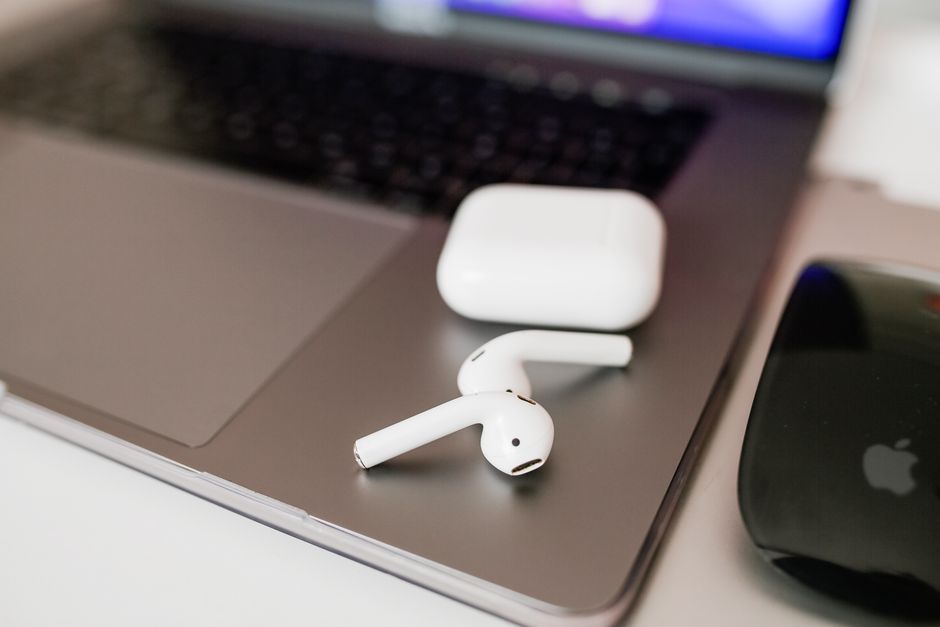
Apple just gave AirPods owners something they have wanted for years: real control over how their earbuds sound. Tucked inside a new public beta firmware released alongside the iOS 27 public beta, AirPods custom EQ lets you adjust audio frequencies to match your personal taste instead of relying on Apple’s one-size-fits-all sound profile. It is a small update on paper, but it closes a gap that has frustrated audiophiles and casual listeners alike since AirPods first launched.
If you have ever wished you could boost the bass on your AirPods Pro or tame overly bright treble on your AirPods Max, this update is for you. Here is everything you need to know about the feature, which models support it, and how to turn it on right now.
What Is the New AirPods Custom EQ Feature?
Custom EQ gives you direct control over the sound signature of your AirPods. Instead of choosing from a short list of vague presets, you can now adjust specific frequency bands to shape the audio to your liking.
The feature works similarly to equalizers found in music apps like Spotify or Apple Music, but it applies at the system level. That means your adjustments carry over across every app you use, from podcasts to games to phone calls.
Key capabilities include:
- Manual frequency adjustment across bass, midrange, and treble bands
- Multiple saved profiles so you can switch between settings for different genres or environments
- Integration with existing audio features like Adaptive Audio and Personalized Spatial Audio
Apple has built the new EQ controls directly into its audio settings ecosystem, so they sit alongside existing tools rather than replacing them. You can still use Adaptive Transparency and Conversation Awareness exactly as before. Custom EQ simply adds a new layer of personalization on top.
This matters most for people with specific hearing preferences or mild hearing loss in certain frequency ranges. Being able to fine-tune sound rather than accept a generic profile makes AirPods noticeably more useful for a wider range of listeners.
Which AirPods Models Support Custom EQ in 2026?
Not every pair of AirPods gets this update, so it is worth checking your model before you get excited. Apple has limited the initial rollout to newer hardware capable of handling the additional audio processing.
Models that support custom EQ in the current beta include:
- AirPods Pro (2nd generation and later)
- AirPods 4 (both standard and Active Noise Cancellation versions)
- AirPods Max (including the USB-C model)
Older models, including the original AirPods, AirPods 2, and AirPods 3, do not support the new feature. Apple has not said whether that is a hardware limitation or a decision to keep the beta focused on newer chips, but do not expect a surprise update bringing EQ controls to first-generation AirPods.
To use custom EQ, you also need a device running iOS 27 or later, since the controls live inside the Settings app on your iPhone. Older iOS versions will not show the new EQ menu at all, even if you own a supported AirPods model.
How to Access Custom EQ in the AirPods Public Beta
Getting custom EQ working requires two things: enrolling your iPhone in the iOS 27 public beta, and updating your AirPods firmware. Here is how to do both.
Enroll in the Public Beta
- Back up your iPhone before installing any beta software.
- Go to Settings, then tap your name at the top of the screen.
- Select Beta Updates and opt into the iOS 27 public beta.
- Download and install the update once it appears in Software Update.
Update Your AirPods Firmware
AirPods firmware updates install automatically, but you can speed things up:
- Place your AirPods in their case and keep the lid open.
- Keep them near your iPhone and connected to Wi-Fi.
- Wait several minutes, then check the firmware version under Settings > Bluetooth, tapping the info icon next to your AirPods.
Find and Use the EQ Controls
Once both updates are installed, open Settings, tap Bluetooth, then tap the info icon next to your AirPods. Look for a new Audio EQ or Custom Sound option (naming may shift slightly during the beta period).
From there, you can:
- Drag sliders to adjust individual frequency bands
- Preview changes in real time with any audio source
- Save your settings as a named custom profile
- Switch between saved profiles depending on what you are listening to
The interface is straightforward, and Apple has clearly designed it for casual users rather than just audio engineers.
Why Users Have Been Requesting This Feature
This is not a minor convenience. Custom EQ has been one of the most requested AirPods features for years, showing up repeatedly in user forums, tech reviews, and social media threads.
Competing wireless earbuds have offered detailed EQ controls for a long time. Sony, Samsung, and Bose all include companion apps with adjustable sound profiles, and many budget earbud brands offer the same. AirPods, despite their popularity and premium price tag, lagged behind in this one specific area.
The gap felt particularly strange given how advanced AirPods Pro and AirPods Max are in other respects. These models already include high-end features like adaptive noise cancellation, spatial audio, and conversation awareness. Sound personalization was the obvious missing piece, and Apple’s silence on the topic left many users assuming it simply was not a priority.
That perception shifted with this beta release. Apple has finally acknowledged a demand that its own ecosystem practically invited, since Apple Music and other first-party apps already include their own audio adjustments elsewhere.
What This Means for AirPods Users and Apple’s Audio Strategy
Custom EQ helps AirPods compete more directly with rival earbuds that have long touted personalization as a selling point. For current owners, it means better sound quality without buying new hardware, which is a meaningful win.
The update also signals something about Apple’s broader approach. Apple has increasingly leaned into accessibility and personalization features across its product lineup, from hearing health tools to adaptive audio. Custom EQ fits neatly into that pattern, giving users more control over how they experience sound day to day.
For casual listeners, the difference might feel subtle at first. But for anyone who has ever felt AirPods sounded slightly off for certain music genres, movies, or podcasts, the ability to nudge the sound profile can make a real difference in daily enjoyment.
This move also shows Apple listening to sustained public feedback rather than just internal design priorities. That responsiveness could matter for how users perceive future AirPods updates, especially as competition in the wireless earbud market keeps intensifying.
When Will Custom EQ Roll Out to All Users?
Right now, AirPods custom EQ is only available to people enrolled in the iOS 27 public beta. Apple typically uses public betas as testing grounds before a wider release, gathering feedback and fixing bugs along the way.
Based on Apple’s usual release patterns, features introduced in public betas tend to arrive in the stable release within a few beta cycles. That means custom EQ will likely become available to all users once iOS 27 exits beta and rolls out broadly later this year.
If you do not want to deal with beta software, the safest approach is to wait for the official iOS 27 release. You can keep an eye on Apple’s software update page in Settings, or check Apple’s own AirPods support page for updates on firmware changes and new features as they become official.
For now, if you are comfortable running beta software and own a supported AirPods model, custom EQ is worth trying. It is one of the more meaningful audio upgrades AirPods have received in recent memory, and it finally gives users the kind of control that rival earbuds have offered for years.
FAQ
Custom EQ questions keep coming up as more people test the beta. Here are quick answers to the most common ones.
Frequently Asked Questions
Can I use custom EQ on AirPods Max?
Yes, AirPods Max, including the USB-C model, supports custom EQ in the current public beta. You just need iOS 27 or later installed on your connected iPhone to access the controls.
Do I need an iPhone to adjust AirPods EQ settings?
Yes, EQ controls currently live inside the iPhone’s Settings app under Bluetooth device details. There is no standalone AirPods app, so an iPhone running iOS 27 or later is required.
Will custom EQ drain AirPods battery faster?
Apple has not published specific battery data, but any additional audio processing can have a small impact on battery life. Most users likely won’t notice a significant difference in everyday listening.
Can I export or share EQ presets with other users?
The current beta does not include a way to export or share custom EQ profiles with other people. Profiles are saved locally to your Apple ID and synced across your own devices.
What EQ presets are available by default?
Alongside custom manual adjustments, Apple includes a handful of built-in presets designed for common listening scenarios like enhanced bass or vocal clarity. You can use these as starting points before creating your own custom profile.