If you’ve been holding off on a foldable phone because Motorola’s past efforts felt more like style statements than serious flagships, it’s time to reconsider. The Razr Fold has changed the conversation. After daily use, it’s clear this is the best Motorola phone in years, and it genuinely holds its own in the Razr Fold vs competition comparison against Samsung’s Galaxy Z Fold and Google’s Pixel Fold.
That’s a bold claim in a market where Samsung has dominated foldables for years and Google has poured resources into catching up. But Motorola isn’t just showing up anymore. It’s competing on design, price, and everyday usability, three areas that matter far more to real buyers than spec-sheet bragging rights.
Here’s what makes the Razr Fold worth your attention in 2026, and where it still has room to grow.
What Makes the Razr Fold Stand Out in 2026?
Motorola’s design team clearly learned from years of iteration. The Razr Fold’s hinge feels tighter and more confident than earlier models, closing with a satisfying snap instead of the wobbly hesitation that plagued previous generations. The crease on the internal display is far less noticeable too, both visually and under your thumb.
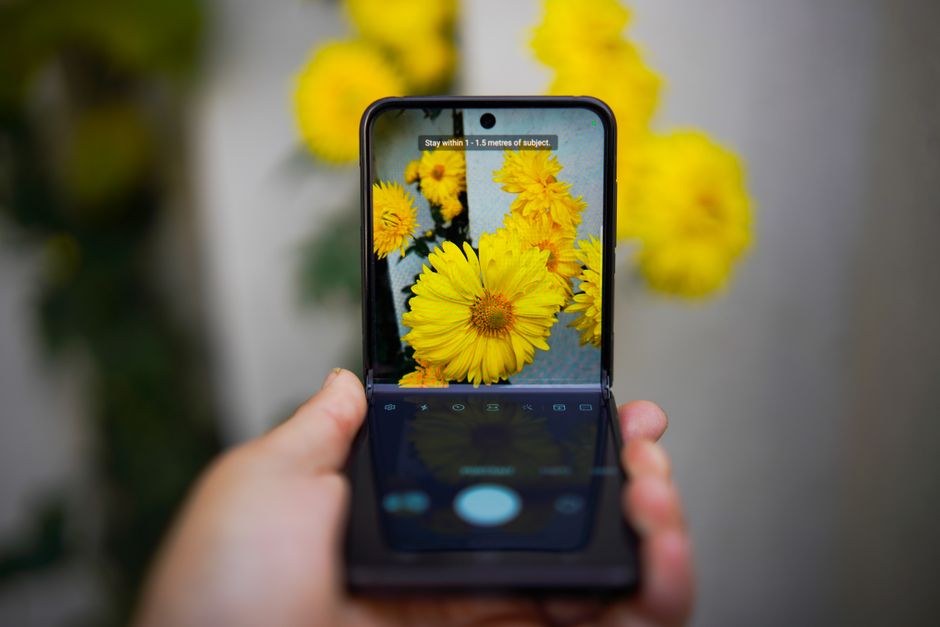
The cover display is where this phone really separates itself from the pack. It’s large enough to run full apps, reply to messages, and check notifications without unfolding the phone. That’s a meaningful upgrade over the smaller, more limited exterior screens on rival foldables, and it’s the single feature that makes the Razr Fold feel practical rather than gimmicky.
Inside, the main display holds up well against direct competitors in brightness, color accuracy, and refresh smoothness. It’s not clearly superior to Samsung’s panel, but it’s close enough that most users won’t notice a meaningful gap in daily use.
Pricing is where Motorola makes its strongest case. The Razr Fold typically lands below the Galaxy Z Fold and in similar territory to the Pixel Fold, but with a design that feels more premium than either at a comparable price point. For buyers who want flagship foldable features without paying the absolute top dollar, that pricing gap matters.
How the Razr Fold Competes Against Galaxy Z Fold and Pixel Fold
Cameras: Good, Not Class-Leading
The Razr Fold’s camera system is competent and reliable for everyday shooting: sharp daylight photos, decent low-light performance, and solid video stabilization. It doesn’t match the computational photography muscle of Google’s Pixel line or the versatility of Samsung’s multi-lens setup on the Z Fold. If photography is your top priority, the Galaxy Z Fold still edges ahead, particularly in zoom range and night mode consistency.
That said, most people don’t need the absolute best camera on the market. They need a camera that’s fast, consistent, and good enough for social media and everyday memories. The Razr Fold delivers exactly that.
Software That Understands One-Handed Use
This is where Motorola quietly wins. The software experience on the cover screen feels purpose-built for one-handed use, not just a shrunken version of the full interface. Widgets, quick replies, and app shortcuts are genuinely usable without unfolding the phone, something Samsung’s cover screen software still handles somewhat clumsily by comparison.
Motorola’s near-stock approach to its software also means fewer duplicate apps and less bloatware cluttering the experience. It’s a cleaner, faster feeling phone in daily use, even if Samsung offers more granular customization for power users.
Durability and Longevity
Motorola has made clear improvements to hinge durability, and the phone feels sturdier through repeated folds than earlier Razr models. Motorola also backs the device with meaningful warranty coverage on the display and hinge assembly, addressing one of the biggest long-term worries foldable buyers have historically had.
Samsung still has more years of foldable durability data behind it, simply because it’s been in this game longer. But the gap has narrowed significantly, and the Razr Fold no longer feels like the riskier bet it once was.
Performance and Daily Use: Is It Really the Best Motorola Phone?
Under the hood, the Razr Fold runs on a capable flagship-class processor that handles multitasking, split-screen apps, and everyday gaming without stutter. Switching between apps on the larger internal display feels smooth, and the phone rarely struggles under heavier workloads like video editing or graphics-intensive games.
Battery life is solid rather than spectacular. You can expect a full day of moderate use, though heavy foldable-screen usage (streaming video, gaming, or constant multitasking) will drain it faster. Charging speeds are competitive with other premium foldables, getting you a meaningful top-up in a short amount of time, though not quite as fast as some non-foldable flagships.
Where the foldable form factor truly shines is in specific everyday moments:
- Reading and browsing: The larger internal screen makes long-form reading and web browsing noticeably more comfortable than a standard phone.
- Video calls: Propping the phone in a partial fold for hands-free video chats is a small but genuinely useful trick.
- Multitasking: Running two apps side by side, like maps and messages, feels natural on the unfolded display.
- Compact carry: Folded shut, it’s small enough to slip into most pockets, something traditional large-screen flagships can’t match.
These aren’t flashy features, but they’re the kind of small conveniences that make a phone feel indispensable rather than novel.
Design and Build Quality That Justifies the Premium Price
Motorola leaned into premium materials for the Razr Fold, and it shows. The frame feels solid without being heavy, and the phone sits comfortably in the hand both folded and open. Compared to the sometimes boxy feel of the Galaxy Z Fold, the Razr Fold’s more compact, pocketable shape when closed is a genuine advantage for anyone who finds larger foldables cumbersome.
Water resistance has improved as well, giving buyers more peace of mind against spills and light rain exposure, though foldables still generally lag behind traditional flagships in dust resistance due to the mechanical hinge. It’s worth being mindful of that if you spend time in dusty or sandy environments.
Aesthetically, Motorola continues to differentiate itself with a range of finishes and colorways that feel more fashion-forward than Samsung’s more conservative palette. For buyers who want their phone to feel distinct rather than blend in, this matters more than it might seem on paper.
Should You Upgrade to the Razr Fold in 2026?
The Razr Fold makes the most sense for a few specific types of buyers:
- Former Razr owners who loved the compact flip-phone nostalgia but were frustrated by rough edges in earlier models.
- Samsung-curious buyers who want the foldable experience without committing to the Galaxy Z Fold’s price tag.
- One-handed power users who live on their cover screen for quick tasks and want software that actually supports that habit.
- Style-conscious buyers who want a foldable that doesn’t look like everyone else’s.
It’s a tougher sell for serious mobile photographers, who will still find more capability in the Galaxy Z Fold or a top-tier Pixel device. And if raw battery endurance is your top priority, a traditional flagship without a folding screen will still outlast it comfortably.
Against non-foldable flagships in general, the value proposition comes down to whether you actually use the fold. If the idea of a bigger internal screen and a pocketable folded size excites you, the Razr Fold justifies its premium price. If you’re indifferent to the form factor, a standard flagship will likely serve you just as well for less money.
For everyone else weighing the Razr Fold vs competition question, the answer in 2026 is refreshingly simple: Motorola has finally built a foldable that doesn’t ask you to compromise. It competes on design, undercuts on price, and delivers software that actually understands how people use these phones. That’s more than enough to call it the best Motorola phone in years, and a legitimate contender against the biggest names in foldables.
Frequently Asked Questions
How does the Razr Fold’s camera compare to the Galaxy Z Fold?
The Razr Fold’s camera is reliable for everyday photos and video but doesn’t match the Galaxy Z Fold’s zoom range and multi-lens versatility. For casual users it’s more than adequate, but serious photographers may still prefer Samsung’s setup.
Is the Razr Fold durable enough for everyday use?
Yes, Motorola has significantly improved hinge durability and backs the display and hinge with meaningful warranty coverage. It feels sturdier than earlier Razr models, though Samsung still has more long-term durability data from years in the foldable market.
What’s the price difference between the Razr Fold and competitors?
The Razr Fold typically costs less than the Galaxy Z Fold and lands in similar territory to the Pixel Fold, making it one of the more affordable ways to get a premium foldable experience.
Does the Razr Fold have better software than Samsung’s foldables?
The Razr Fold’s cover screen software feels more purpose-built for one-handed use than Samsung’s, with cleaner widgets and quick actions. Samsung still offers deeper customization options for power users, but Motorola’s near-stock approach feels faster and less cluttered day to day.