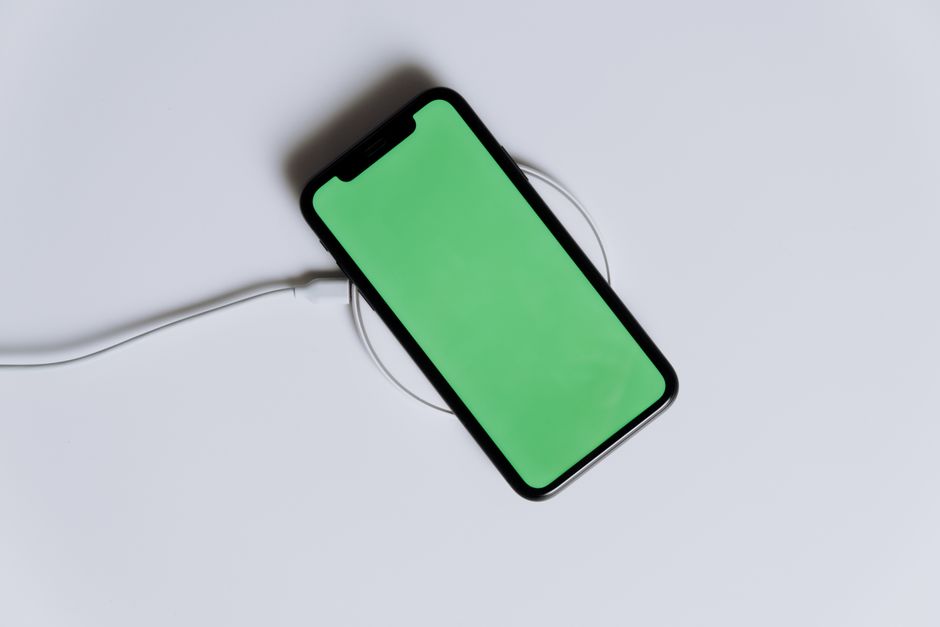
The convenience of wireless charging has won over millions of smartphone users, but there’s always been a catch: speed. While you can charge many phones at 65W or even 100W with a cable, wireless charging typically maxes out at a painfully slow 15W. That’s about to change.
The Qi wireless charging upgrade expected by 2028 could finally deliver the speeds we’ve been waiting for, with projections suggesting 50W or higher wireless charging becoming standard. This shift would transform wireless charging from a nice-to-have convenience into a genuinely competitive alternative to cables.
Why Does Qi Wireless Charging Need an Upgrade?
The gap between wired and wireless charging speeds has become embarrassing. Most Qi-certified devices today charge at 5W to 15W wirelessly, while the same phones can handle 30W, 65W, or even 120W through a cable. This means your phone might fully charge in 30 minutes with a wire but take two hours on a wireless pad.
This limitation hasn’t just frustrated users, it’s held back wireless charging adoption. Many people buy wireless chargers for their nightstands but still reach for cables when they need a quick battery boost before heading out. The technology promised a cable-free future but delivered a compromise instead.
The market has also stagnated. Apple’s MagSafe tops out at 15W for iPhones, while Samsung’s fastest wireless charging reaches 15W on most devices. Google’s Pixel lineup caps at 23W wirelessly with its proprietary charging stand. These numbers haven’t meaningfully improved in several years, even as wired charging has raced ahead.
User expectations have shifted too. When wireless charging first appeared, trading speed for convenience seemed reasonable. But as our phones have become essential tools for work, navigation, and entertainment, waiting hours for a charge feels increasingly unacceptable. People want both convenience and speed, not one or the other.
What’s Coming in the Next Generation of Qi Charging?
The Wireless Power Consortium, the organization behind the Qi standard, is working on specifications that could push wireless charging to 50W or beyond by 2028. This represents more than a threefold increase over current mainstream wireless charging speeds.
The technical challenges are substantial. Wireless charging generates significantly more heat than wired charging because energy transfer through electromagnetic induction is inherently less efficient. At higher power levels, this heat becomes a real problem that can damage batteries, slow charging speeds through thermal throttling, or even create safety hazards.
Next-generation Qi technology will need to address these thermal issues through improved coil design, better materials that dissipate heat more effectively, and smarter charging algorithms that adjust power delivery based on temperature. Some prototypes already use advanced cooling systems, though making these cost-effective for consumer devices remains a hurdle.
Efficiency improvements are just as critical as raw power increases. Current Qi charging operates at roughly 70-80% efficiency, meaning 20-30% of the energy becomes waste heat. The next standard aims to push efficiency above 85%, which would make higher power levels practical and safer.
Compatibility considerations are still being worked out, but backward compatibility is a priority. Your old Qi charger should still work with new phones, just at slower speeds. The bigger question is whether devices supporting the new standard will charge faster on current chargers or simply fall back to today’s speeds.
Can Wireless Charging Finally Match Wired Speeds?
Reaching parity with wired charging isn’t just about hitting high wattage numbers. The real challenge is maintaining those speeds safely and efficiently throughout the charging cycle.
Several manufacturers in China have already demonstrated 50W and even 80W wireless charging in commercial products. Xiaomi showed 80W wireless charging that could fully charge a 4,000mAh battery in about 19 minutes. Oppo and Huawei have also pushed wireless charging speeds beyond what the official Qi standard currently supports.
These proprietary solutions prove the technology is possible, but they operate outside the universal Qi standard. This creates fragmentation: you need the right phone with the right charger from the same manufacturer. The next Qi wireless charging upgrade aims to bring this performance to a universal standard that works across brands.
The timeline for mainstream adoption depends on several factors. Device manufacturers need to build phones with the necessary hardware, including improved thermal management and compatible charging coils. Consumers need to buy new charging pads. Retailers and public charging stations need to upgrade their infrastructure.
Realistically, early adopter devices supporting the enhanced standard might appear in 2028 or 2029, but widespread adoption across most price points could take until 2030 or beyond. The technology needs to mature, manufacturing costs need to come down, and the ecosystem needs to coordinate around the new specifications.
Which Devices Will Support the New Standard First?
Expect flagship smartphones from major manufacturers to adopt the upgraded Qi standard first. Samsung, Google, and Apple all have strong incentives to differentiate their premium devices with faster wireless charging, assuming the technology proves reliable and cost-effective.
Samsung has historically been aggressive with charging technology and already offers proprietary fast wireless charging on Galaxy devices. The company would likely embrace a universal standard that lets them market competitive wireless speeds without fragmenting the accessory ecosystem.
Apple’s approach is harder to predict. The company has been conservative with charging speeds, prioritizing battery longevity and safety over raw performance. But MagSafe’s popularity shows Apple sees value in wireless charging, and the company might embrace a new standard if the efficiency and thermal characteristics meet their requirements.
Google has positioned itself as championing universal standards, so Pixel phones would be strong candidates for early adoption. The company’s recent push into premium hardware with the Pixel line also suggests they’d want flagship-level charging speeds.
Beyond smartphones, tablets and wearables could benefit substantially. Current smartwatch charging is painfully slow, and faster wireless charging could make overnight charging unnecessary. Tablets have larger batteries that take even longer to charge wirelessly, so speed improvements would be particularly welcome.
Backward compatibility should mean your new phone works with your old charger, just not at the fastest speeds. This gradual transition is important for consumer adoption, as people won’t upgrade if it means replacing every charging pad they own.
Accessory manufacturers will likely produce hybrid chargers that support both current and next-generation Qi standards at various price points. Budget options might max out at 30W, mid-range chargers could hit 50W, and premium charging stations might push even higher.
How This Changes the Mobile Charging Landscape
Fast wireless charging could fundamentally reshape how we design and use devices. If wireless charging becomes truly competitive with cables, manufacturers might design phones around wireless-first charging, potentially eliminating or deprioritizing physical charging ports.
Apple has reportedly explored completely portless iPhone designs. The EU’s push for universal charging standards might seem to contradict this, but regulations could evolve to embrace wireless charging as the universal solution if the technology becomes reliable and accessible enough.
Environmental implications cut both ways. Standardized wireless charging could reduce electronic waste by making charging pads universal and long-lasting investments. You wouldn’t need new chargers every time you switch phone brands. But wireless charging’s lower efficiency means more electricity consumption, and manufacturing charging pads requires resources.
Public charging infrastructure could expand dramatically with fast wireless charging. Imagine setting your phone on a table at a coffee shop and getting a meaningful charge during a 20-minute meeting. Cars, airplanes, and hotels could offer fast wireless charging as a standard amenity without cable compatibility concerns.
The impact on cable clutter is obvious: fewer cables means less waste, less frustration, and cleaner spaces. But this assumes wireless charging actually becomes fast enough that people stop keeping backup cables around for when they need a quick charge.
Competition with proprietary ecosystems like Apple’s MagSafe and various Android fast-charging standards will be interesting to watch. Manufacturers have invested heavily in their own technologies, and they’ll need compelling reasons to embrace a universal standard. Regulatory pressure, consumer demand, and the practical benefits of ecosystem-wide compatibility could all play roles.
What Should You Do Before 2028?
If you’re considering upgrading your charging setup now, don’t wait for the new standard unless you’re comfortable with your current situation for several more years. The upgrade is still far enough away that you’ll get plenty of use from equipment purchased today.
Look for charging pads from reputable manufacturers with good build quality. Well-made chargers should last many years, and even if they don’t support the fastest future speeds, they’ll still work for backward compatibility.
Avoid extremely cheap wireless chargers that might lack safety features or proper certification. Poorly made charging pads can damage batteries, overheat, or even pose fire risks. Stick with established brands or products with extensive positive reviews.
Pay attention to announcements from the Wireless Power Consortium, the organization that manages the Qi standard. They’ll announce specifications and timelines for the next-generation standard well before consumer products ship. Following major smartphone manufacturers’ charging technology reveals will also provide clues about adoption timelines.
Consider a hybrid approach: use wireless charging for convenience at your desk or nightstand where speed matters less, and keep a fast wired charger for when you need quick top-ups. This lets you enjoy wireless convenience without sacrificing speed when it counts.
If you’re buying a new phone soon, check its maximum wireless charging speed. Some devices already support faster wireless charging than the standard 15W, which could offer a preview of the improved experience coming with the next Qi upgrade.
Watch for sales and discounts on quality wireless chargers. As new standards approach, current-generation products often see price drops. Just make sure backward compatibility means your investment won’t be wasted.
The Bottom Line
The Qi wireless charging upgrade coming by 2028 represents the evolution wireless charging should have undergone years ago. Matching or exceeding wired charging speeds would eliminate the primary reason people avoid wireless charging and could genuinely deliver on the cable-free future the technology has promised.
The timeline remains uncertain, and technical challenges still need solutions, but the direction is clear. Wireless charging is getting faster, more efficient, and more practical. Whether you’re an early adopter who’ll buy the first compatible devices or someone who waits for mature technology, the next few years should bring the wireless charging experience we’ve been waiting for since the technology first appeared.
For now, the best approach is staying informed, making purchasing decisions based on current needs rather than future promises, and preparing for a charging landscape that might look very different by the end of the decade.
Frequently Asked Questions
When exactly will the new Qi charging standard be released?
The upgraded Qi wireless charging standard is expected to be finalized around 2028, with consumer devices supporting it likely arriving in 2028-2029. Widespread adoption across various price points could take until 2030 or beyond as manufacturers implement the technology and costs come down.
Will my current wireless charger work with the new standard?
Yes, backward compatibility is a priority for the next-generation Qi standard. Your existing wireless chargers should continue working with new phones, though they’ll charge at current speeds rather than the faster rates the new standard enables. You’ll need a new charger to take advantage of the higher speeds.
How much faster will next-generation Qi charging actually be?
The upgraded standard is expected to support 50W or higher wireless charging, compared to the 15W maximum common in most current devices. This represents more than a threefold speed increase and could reduce charging times from hours to under 30-40 minutes for a full charge.
Which phones will get the upgraded wireless charging first?
Flagship smartphones from major manufacturers like Samsung, Google, and possibly Apple are likely to adopt the new standard first. Premium devices typically receive new charging technology before it filters down to mid-range and budget models over the following years.
Is wireless charging ever going to be as fast as wired?
The next Qi standard aims to bring wireless charging speeds much closer to wired charging, potentially matching it in many practical scenarios. Chinese manufacturers have already demonstrated 80W wireless charging in commercial products, proving the technology is feasible. The challenge is bringing this performance to a universal standard with proper safety and efficiency.
Why has Qi charging been so slow to improve?
Wireless charging faces significant technical challenges, particularly heat generation and efficiency at higher power levels. The technology must balance speed with safety, battery longevity, and cost-effectiveness. Creating universal standards also takes longer than proprietary solutions because multiple manufacturers must agree on specifications that work across different devices and use cases.