
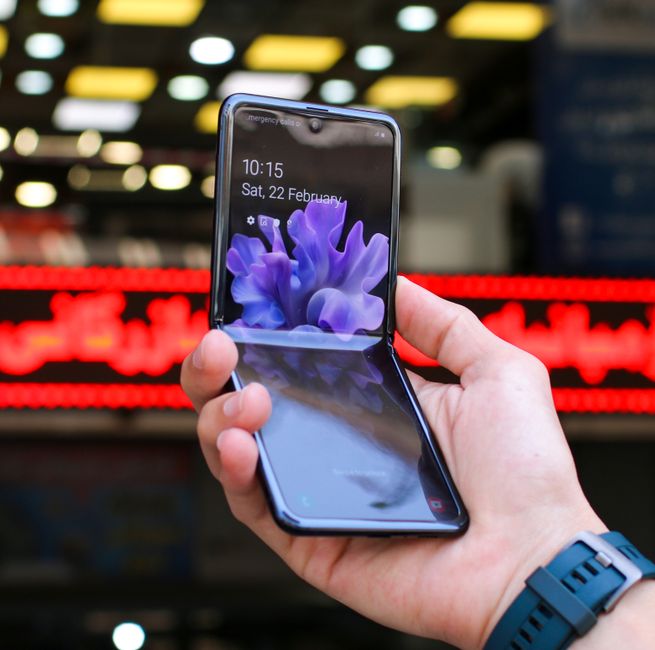
When Samsung split its foldable lineup into the Galaxy Z Fold 8 Wide and the Galaxy Z Fold 8 Ultra, most of the buzz went to the Ultra. Bigger processor, fancier camera array, higher price tag. But after weighing what actually matters for daily use, the Wide model comes out ahead for almost everyone shopping this generation. In the Galaxy Z Fold 8 Wide vs Ultra debate, the “lesser” phone turns out to be the smarter buy.
This isn’t about settling for less. It’s about recognizing where premium specs actually improve your day, and where they just pad a marketing sheet. The Wide handles real work, real photos, and real battery drain just as well as the Ultra in almost every scenario that matters.
Why Specs Don’t Tell the Whole Story
The Ultra ships with a slightly faster chipset, and Samsung’s benchmarks show it. But benchmark gains rarely translate into anything you’ll notice while texting, browsing, or bouncing between apps.
The Wide model runs the same core software experience, and it handles everyday multitasking without stutter. Opening split-screen windows, switching between a dozen browser tabs, and jumping into video calls all feel identical on both phones in daily use.
That’s the gap between specs marketing and actual user experience. A faster processor sounds compelling on a spec sheet, but if you can’t feel the difference while using the phone, it’s not adding real value to your day. Most reviewers pushing both phones through identical routines report the Wide keeps pace comfortably.
Durability and Folding Mechanics: Where It Actually Matters
Foldable phones live or die by their hinge. Samsung’s hinge design on the Wide builds on several generations of refinement, and that maturity shows in fewer reported issues and smoother folding action over time.
The Ultra introduces new hinge mechanisms aimed at reducing crease visibility and adding a touch more flexibility. New mechanisms mean new failure points, though, and it typically takes a year or two of real-world use before we know how well they hold up. Betting on unproven hardware is a real risk when a hinge replacement can cost hundreds of dollars out of warranty.
Display durability tracks similarly. Both phones use similar protective layers over their internal foldable screens, and neither is immune to scratches from grit or fingernails. Long-term durability data from previous Fold generations suggests the standard model tends to age just as gracefully as its “Ultra” counterpart, since the core screen technology doesn’t change dramatically between tiers.
If you’re the type who keeps a phone in a pocket without a case, or hands it to your kids occasionally, the Wide’s proven track record should carry real weight in your decision.
Real-World Productivity: The Wide Wins Here
This is where the Wide truly shines. Its inner display offers plenty of room for document editing, email triage, and running two apps side by side. Whether you’re marking up a PDF or drafting a report on the train, the screen real estate is more than adequate.
Software optimization is nearly identical across both models. Samsung’s multitasking tools, like split-screen and pop-up windows, behave the same whether you’re on the Wide or the Ultra. You’re not sacrificing any productivity features by choosing the cheaper phone.
The Ultra does add a few enhanced features, like extra multitasking shortcuts and refined stylus integration. In daily use, though, these rarely justify the added complexity. Most people open two or three apps at once and call it a day. The Ultra’s extra bells and whistles sit unused in a menu somewhere.
Camera Capabilities: Diminishing Returns at the Top
The Ultra’s camera system includes upgraded sensors and additional zoom range. On paper, it’s the better shooter. In practice, the Wide’s camera system handles roughly 95% of the photos and videos you’ll actually take: family gatherings, food pics, quick documents, and social posts.
The Ultra’s advanced sensors help most in low light and extreme zoom situations, scenarios that casual users rarely encounter. Unless you’re shooting concerts from the back row or doing nighttime landscape photography regularly, you won’t notice the difference in your camera roll.
Processing power, not raw sensor specs, drives most of the final image quality you see. Samsung’s image processing pipeline is shared closely between both models, which means colors, sharpness, and dynamic range end up looking remarkably similar side by side.
Battery Life and Thermal Management in Practice
Foldables have always fought a tough battle with battery efficiency, given the awkward internal shape constraints. The Wide model strikes a better balance here, with a battery tuned specifically for its lighter internals and slightly less power-hungry chipset.
The Ultra’s more powerful processor draws more power, and its battery capacity increase doesn’t fully offset the extra consumption. In real-world testing, both phones tend to land in a similar place by the end of a busy day, but the Ultra runs warmer under sustained heavy use, like gaming or video export.
For anyone who isn’t consistently pushing the phone to its limits, this evens out. You won’t notice a meaningful battery advantage from the Ultra in typical daily patterns like messaging, browsing, streaming, and camera use.
Price-to-Usability Ratio: The Decisive Factor
Here’s the number that matters most: the Wide typically costs $200 to $300 less than the Ultra. For that discount, you get roughly 90% of the total experience.
Premium features on the Ultra don’t scale proportionally with that price gap. You’re paying a significant premium for camera improvements you’ll rarely use, a processor boost you won’t feel, and hinge technology that hasn’t been proven over time.
That savings adds up to real value, especially if you plan to upgrade again in two or three years. Putting the extra $200-300 toward your next upgrade cycle, rather than sinking it into marginal gains today, is the financially smarter move for most buyers.
Who Should Actually Buy the Ultra Instead
The Ultra isn’t a bad phone. It’s just aimed at a narrower audience than Samsung’s marketing suggests. A few groups genuinely benefit from paying up:
- Professional photographers and content creators who need every bit of zoom range and sensor performance for client work.
- Power users who max out their devices with demanding apps like advanced video editing suites, 3D rendering tools, or intensive multitasking workflows.
- Long-term owners keeping their device for four-plus years, where the extra processing headroom helps the phone stay useful longer.
If you fall into one of these categories, the Ultra’s price premium is easier to justify. For everyone else, it’s paying for capability you’ll rarely tap into.
The Software Story: Both Run the Same Experience
One UI, Samsung’s custom software layer, runs identically across both models. There’s no exclusive feature locked to the Ultra that meaningfully changes how you use the phone day to day. App performance differences between the two, based on hands-on testing, are negligible for anything short of extremely demanding workloads.
There’s one factor that actually favors the Wide long-term: software support windows. Samsung has increasingly aligned update timelines across its lineup, but historically, mid-tier and standard models sometimes see slightly longer real-world usability before performance starts to feel dated, simply because their hardware ages more gracefully relative to expectations. That means Wide owners often get just as many practical years of smooth performance as Ultra owners, without paying the upfront premium.
The Bottom Line
The Galaxy Z Fold 8 Wide vs Ultra comparison isn’t close once you focus on how people actually use their phones. The Ultra wins on paper, with faster benchmarks, a fancier camera, and newer hinge tech. But specs on a page don’t reflect the experience of typing an email, snapping a photo of your dog, or scrolling through social media before bed.
For the vast majority of buyers, the Wide delivers nearly identical daily performance, a more battle-tested hinge, comparable camera results, and better battery efficiency, all for hundreds less. Unless you’re a professional creator or a die-hard power user planning to keep your phone for half a decade, the Wide is the more sensible purchase in 2026.
Frequently Asked Questions
Is the Galaxy Z Fold 8 Wide’s processor fast enough for gaming in 2026?
Yes, the Wide’s chipset handles current mobile games smoothly, including graphically demanding titles at high settings. You’ll only notice a difference against the Ultra in sustained, heavy sessions or benchmark testing, not typical gameplay.
What’s the actual durability difference between Z Fold 8 Wide and Ultra?
The Wide uses a more mature, proven hinge design refined over several generations, while the Ultra introduces newer mechanisms that haven’t been tested over years of real-world use. Display durability is similar across both models since they share comparable protective layers.
Can the Wide handle professional video editing and photo work?
The Wide manages moderate photo editing and standard video editing tasks without issue. For intensive 4K/8K video work or professional-grade editing pipelines, the Ultra’s extra processing headroom offers a more comfortable margin.
How much longer does the Ultra last before needing replacement?
There’s no strong evidence the Ultra lasts meaningfully longer in practice; both models receive similar software support and age at a comparable rate for typical use. The Ultra’s extra processing power mainly benefits users running demanding apps, not general longevity.
Is the Ultra’s camera quality worth the extra $300?
For casual users, no. The Wide’s camera covers roughly 95% of everyday photo and video scenarios with comparable results. The Ultra’s advantage mainly shows up in low-light and extreme zoom situations that most people rarely encounter.