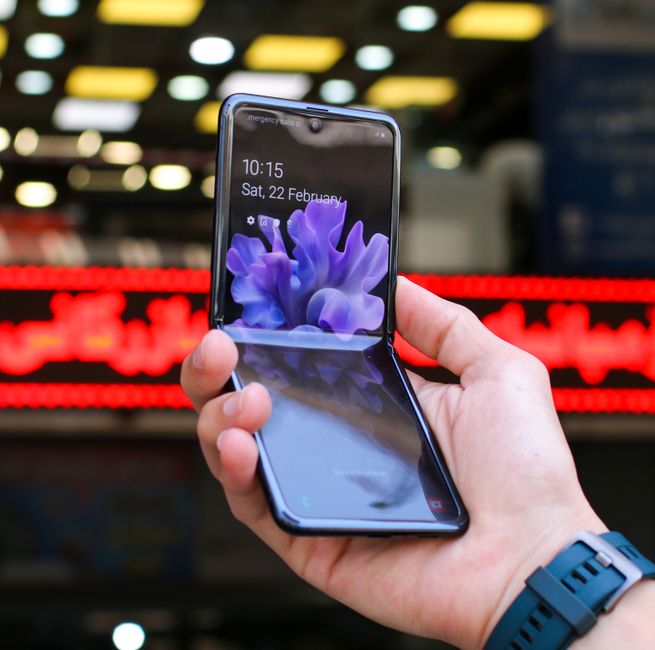
Samsung’s Galaxy Z Fold8 just joined our review queue, and the unboxing alone raises a good question: does most people actually need the Ultra model? This Galaxy Z Fold8 review starts with the basics, what’s in the box, how it feels in daily use, and how it stacks up against its pricier sibling. If you’re weighing a foldable purchase this year, here’s everything you need before you decide.
The base model starts at €1,999/£1,699 for the 12GB/256GB configuration, and it arrives in four colors, though one is exclusive to Samsung’s own store. Below, we break down the unboxing experience, the design changes, the Ultra comparison, and the specs that matter most.
Galaxy Z Fold8 Unboxing: What’s in the Box?
Pop open the box and you’ll find the phone, a USB-C cable, and basic paperwork. There’s no charger included, which has become standard practice across the smartphone industry, so you’ll need to supply your own USB-C power adapter if you don’t already own a compatible one.
The packaging itself feels premium, with minimal branding and a slim profile that mirrors the phone’s book-like form factor. Samsung has clearly put thought into the unboxing moment, even if the contents are sparse by older standards.
Color options are a highlight this generation. The Galaxy Z Fold8 comes in:
- Graphite
- Cream
- Lavender
- Pistachio (Samsung.com exclusive)
That Pistachio option gives buyers a genuine reason to check Samsung’s own store before hitting a carrier or third-party retailer. It’s a distinctive shade that doesn’t show up anywhere else, and it stands out next to the more neutral Graphite and Cream finishes.
Pricing starts at €1,999/£1,699 for the 12GB/256GB base model, positioning the Z Fold8 as a genuine flagship investment, though one that undercuts the Ultra variant by a meaningful margin.
Design and Form Factor: Evolution or Novelty?
In the hand, the Galaxy Z Fold8 feels like something of a novelty, even after years of foldable phones from Samsung. We’ve become accustomed to tall, narrow candy-bar phones, so unfolding this device into a tablet-sized display still triggers a small sense of surprise every time.
Samsung has continued refining the hinge and overall thickness with each generation, and the Z Fold8 carries that evolution forward. It’s noticeably easier to slip into a pocket than earlier Fold models, and the crease across the inner display, while still present, feels less obtrusive during regular use.
Compact Foldable, Real Usability Gains
The narrower outer screen aspect ratio makes one-handed typing and quick replies far more comfortable than in past iterations. That’s a real usability breakthrough for anyone who’s found older Fold models awkward to use closed.
Durability for Daily Use
Foldables still invite questions about long-term durability, and that remains true here. The hinge mechanism feels tighter and more confident than earlier generations, but daily folding and unfolding is still a mechanical stress point worth considering if you’re rough on your devices.
Build quality across all four colorways feels consistent, with a matte finish on the back panel that resists fingerprints better than the glossy options Samsung has used in the past. Overall, this is an evolution rather than a reinvention, but it’s a meaningful one for anyone upgrading from a Fold that’s a few generations old.
Galaxy Z Fold8 vs Z Fold8 Ultra: Which One Do You Really Need?
This is the question most shoppers actually care about. After spending hands-on time with both phones across productivity tasks, media consumption, and gaming, the gap between the standard Z Fold8 and the Z Fold8 Ultra feels narrower than the price difference suggests.
For productivity, both phones handle multitasking, split-screen apps, and note-taking with similar fluidity. The Ultra’s extra horsepower shows up mostly in heavier workloads, like exporting large files or running multiple demanding apps simultaneously.
For media, the display quality on the standard Fold8 is impressive enough that casual streaming and browsing look nearly identical to the Ultra experience. You’d need a trained eye or side-by-side comparison to spot meaningful differences in most everyday viewing.
For gaming, the Ultra pulls slightly ahead thanks to sustained performance under load, but the standard Z Fold8 handles current titles comfortably for anyone who isn’t chasing the absolute highest frame rates.
Price-to-Value for Mainstream Users
Unless you’re a power user with specific needs, like S Pen support or the highest-tier camera hardware, the standard Z Fold8 covers the vast majority of use cases. The Ultra makes sense if you rely heavily on stylus input, need top-tier camera performance, or simply want the best specs regardless of cost.
For everyone else, the standard Fold8 delivers a genuinely premium foldable experience at a noticeably lower price point.
Specs and Performance: What Powers the Z Fold8?
The Galaxy Z Fold8 runs on a modern flagship processor paired with 12GB of RAM in its base configuration, giving it plenty of headroom for multitasking across its dual displays. Storage starts at 256GB, with higher tiers available for buyers who need more room for media and apps.
The display technology carries forward Samsung’s strength in foldable screens, with a smooth high refresh rate on both the cover screen and the larger inner display. Colors look vibrant and consistent across brightness levels, and the crease remains manageable during normal scrolling and typing.
Battery life holds up well for a foldable, though heavy inner-screen usage will drain it faster than a standard flagship phone. Charging speeds are competitive with other 2026 flagships, and the phone supports fast wired charging along with wireless options.
The camera system sees incremental improvements over the previous generation, with better low-light performance and more consistent color science across the main sensors. It won’t outshine the top-tier Ultra camera setup, but it’s a solid step forward for anyone upgrading from an older Fold model.
Pricing and Value in 2026
At €1,999/£1,699, the Galaxy Z Fold8 sits firmly in flagship territory, but it also undercuts many premium non-foldable phones once you factor in the novelty and productivity benefits of the folding form factor. Storage tiers above the base 256GB model push the price higher, so it’s worth deciding upfront how much space you actually need.
Compared to flagship candy-bar phones from Samsung and competitors, the Z Fold8 asks for a premium, but that premium buys you a genuinely larger usable display and multitasking capability that standard phones can’t match.
Trade-in programs and pre-order incentives have historically softened the blow of foldable pricing, and this generation is no exception. If you’re holding onto an older Fold model or even a high-end standard flagship, trade-in credit can meaningfully reduce your out-of-pocket cost.
First Impressions: Is the Galaxy Z Fold8 Worth the Investment?
The Galaxy Z Fold8 is built for people who genuinely use the extra screen real estate, whether that’s for productivity, content creation, or simply preferring a tablet-like experience in a pocketable package. If you’re someone who juggles multiple apps, takes detailed notes, or wants a larger canvas for creative work, this phone earns its place.
Everyday usability has improved with each Fold generation, and the Z Fold8 continues that trend with a more manageable outer screen and a hinge that feels more refined than ever. It’s not a dramatic reinvention, but it’s a meaningful step that makes the foldable format feel less like a compromise.
Whether this counts as innovation or incremental refinement depends on your perspective. If you’ve used a Fold before, you’ll notice the improvements immediately. If you’re coming from a standard flagship, the leap into foldable life will feel bigger than the generational upgrade itself.
Our full review will dig deeper into long-term battery performance, camera samples across different lighting conditions, and how the hinge holds up after weeks of daily folding. For now, the Galaxy Z Fold8 makes a compelling case that you don’t need to spend Ultra money to get a genuinely excellent foldable experience.
Frequently Asked Questions
What’s included in the Galaxy Z Fold8 box?
The box contains the phone itself, a USB-C cable, and basic paperwork. No charger is included, so you’ll need your own USB-C power adapter to charge it out of the box.
How does the Galaxy Z Fold8 compare to the Z Fold8 Ultra?
The standard Fold8 offers very similar productivity and media performance to the Ultra for most everyday tasks, with the Ultra pulling ahead mainly in sustained gaming performance, camera hardware, and stylus support. For most mainstream users, the standard model offers better value.
What are the available colors and pricing for the Galaxy Z Fold8?
The Galaxy Z Fold8 comes in Graphite, Cream, and Lavender, with an exclusive Pistachio color available only through Samsung.com. Pricing starts at €1,999/£1,699 for the 12GB/256GB base model.
Is the Galaxy Z Fold8 better for productivity than standard phones?
Yes, the larger inner display makes multitasking, split-screen apps, and note-taking noticeably easier than on a standard flagship phone. It’s especially useful for anyone who regularly juggles multiple apps or does detailed document work on their phone.
Does the Galaxy Z Fold8 have a stylus like the Ultra?
The standard Galaxy Z Fold8 does not include S Pen support the way the Z Fold8 Ultra does. If stylus input is a priority for your workflow, the Ultra model is the better fit.
What are the main display specifications of the Z Fold8?
The Z Fold8 features a high refresh rate on both its cover screen and larger inner foldable display, with vibrant, consistent colors across brightness levels. The crease is present but manageable during normal scrolling and typing.