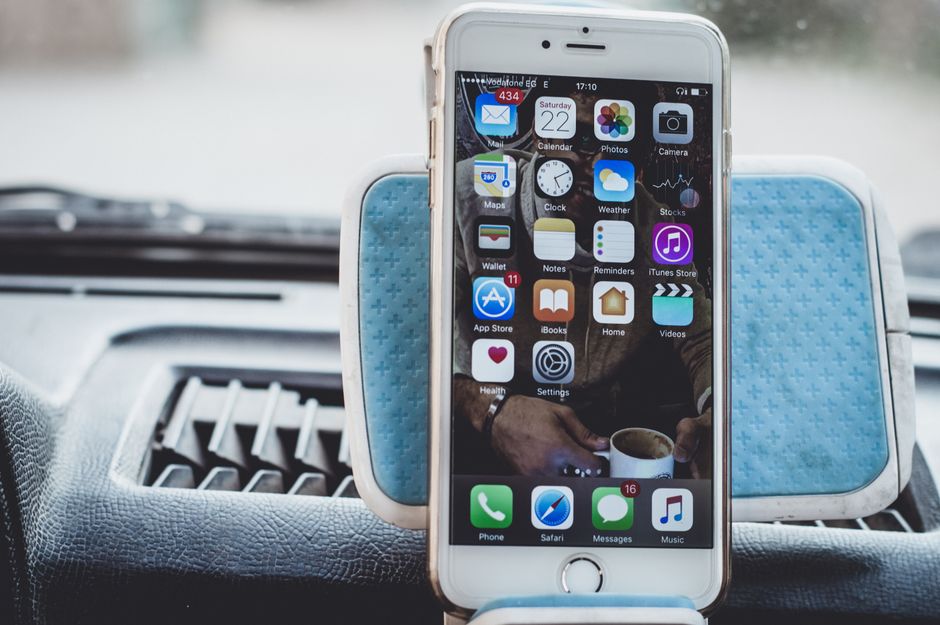
I spent months tapping through the same three icons on my car’s display before I realized how much I was missing. Stock Android Auto gives you maps, music, and phone calls, but that’s about it. Once I started adding the right third-party Android Auto apps, my commute stopped feeling like dead time and started feeling productive.
If you’re wondering which apps actually make a difference, you’re in the right place. This guide walks through the exact categories and tools worth installing, plus how to set them up without breaking anything on your dashboard.
Why Stock Android Auto Falls Short in 2026
Google’s default Android Auto setup covers the basics, but it hasn’t kept pace with how people actually use their cars. The app selection feels narrow, the interface looks dated compared to modern phone UIs, and customization options are almost nonexistent.
Frequent drivers notice this fastest. If you spend an hour or more in the car each day, you want more than turn-by-turn directions and a music player. You want your to-do list, your calendar, your smart home cameras, and your podcasts all in one place.
There’s also a growing mismatch between what phones can do and what shows up on the car screen. Modern Android phones support rich third-party integrations, yet Android Auto still limits which apps can display properly. That gap is exactly why drivers are hunting for workarounds and better app combinations.
The good news is that Google has slowly expanded its supported app categories over the years, and developers have responded. You now have real options across productivity, navigation, entertainment, and even smart home control, all built specifically for the car screen and voice interaction.
Essential Productivity Apps to Install Now
Your commute doesn’t have to be wasted time. A few well-chosen apps can turn your drive into a mobile planning session, entirely hands-free.
Task management apps designed for voice input let you capture reminders while stuck in traffic. Say “remind me to call the dentist” and the app logs it without you touching the screen. This beats scribbling notes at a red light.
Communication tools beyond basic texting also matter. Many messaging apps now support Android Auto voice replies, so you can respond to work chats or group messages without picking up your phone.
For scheduling, look for calendar apps that read out your next meeting and let you request quick availability checks by voice. This is especially useful before you walk into back-to-back meetings straight from the car.
Voice-controlled email access rounds out the productivity stack. You won’t want to write long replies while driving, but hearing a quick summary of your inbox helps you mentally prepare before you arrive at the office.
Navigation and Travel Apps That Outperform Google Maps
Google Maps is solid, but it’s not always the smartest choice for every driver. Several alternatives bring features that stock navigation still lacks.
Apps built around real-time traffic crowdsourcing often catch slowdowns and hazards faster than Google’s algorithm. They also tend to offer more aggressive alternative route suggestions, which matters if you drive through unpredictable traffic patterns regularly.
If you drive an EV, dedicated charging network apps are close to essential. They show live charger availability, pricing, and plug types, something stock Android Auto navigation handles poorly at best.
Offline mapping is another underrated feature. If you frequently drive through rural areas or regions with spotty coverage, an app that caches maps locally can save you from getting stranded without directions.
Cross-platform syncing rounds out the navigation upgrade. The best travel apps let you plan a route on your phone or laptop, then push it straight to your car display the moment you start the engine.
Entertainment and Media Apps for Long Drives
Long drives are where the right entertainment apps really shine. Stock Android Auto handles basic music streaming fine, but dedicated apps go much deeper.
Podcast and audiobook apps with large libraries let you pick up exactly where you left off, across every device you own. Some even offer smart speed adjustments that speed up quiet sections without distorting voices.
Music streaming services have also gotten smarter about the driving experience. Many now generate playlists specifically tuned for commutes, road trips, or focus drives, adjusting energy levels based on time of day.
News briefing apps are worth a mention too. A short, voice-read summary of the morning’s headlines turns your commute into a quick catch-up session instead of silence or repetitive radio.
Whatever you choose, make sure the app supports full hands-free voice commands. Skipping tracks, adjusting volume, or switching podcasts should never require you to look down at the screen.
Smart Home and IoT Integration Apps
This is the category most drivers don’t realize exists until they try it. Smart home apps built for Android Auto let you control your house before you even pull into the driveway.
You can turn on porch lights, unlock the front door for a delivery, or adjust the thermostat so your house is comfortable the moment you walk in. Some apps also let you pull up a live feed from your security cameras, useful if you get a package alert or notice unusual activity while you’re still on the road.
Voice activation is the key feature here. You should be able to say “turn on the living room lights” without ever touching your phone or the dashboard screen. This keeps your eyes on the road while still giving you full control over your connected home.
Not every smart home platform supports Android Auto yet, so check compatibility before assuming your existing setup will work. Most major smart home ecosystems have added at least partial support in recent years.
How to Install and Configure Third-Party Apps on Android Auto
Setting these apps up is simpler than most people expect. Here’s the basic process:
If an app doesn’t show up, you may need to enable it manually inside Android Auto’s settings menu, under app permissions or connected apps. Some apps require you to grant location, microphone, or notification access before they’ll display on the car screen.
Once everything is installed, spend a few minutes customizing your layout. Put your most-used apps front and center, and remove anything you don’t actually use to keep the interface clean.
Performance Tips to Keep Your Car Display Running Smoothly
Loading up your dashboard with apps feels great until everything starts lagging. A few habits keep things running smoothly.
Limit background activity for apps you’re not actively using. Many apps keep refreshing data even when they’re not on screen, which slows down the whole system.
Clear your phone’s cache periodically, especially for navigation and streaming apps that store large amounts of temporary data. A cluttered cache is one of the most common causes of Android Auto lag.
Keep both Android Auto and your individual apps updated. Developers regularly patch performance issues, and running outdated versions is a common cause of crashes or freezing screens.
Finally, be realistic about how many apps you actually need. It’s tempting to install everything mentioned in this guide, but a display packed with rarely used apps can slow things down without adding real value. Pick the ones that solve a real problem for your daily drive.
Best Practices for Safe In-Car App Usage
More features mean more potential for distraction, so safety has to stay the priority. Stick to apps with strong voice control and minimal on-screen interaction requirements.
Avoid manually typing anything while the car is in motion. If an app requires constant screen taps to function, it’s not built for driving and you should find an alternative.
Check your local laws around hands-free device use. Regulations vary by state and country, and some places have stricter rules about screen interaction while driving than others.
Before a long road trip, test every new app while parked. Confirm voice commands work as expected and that you understand the layout before you’re relying on it at highway speed. A few minutes of testing at home saves you from fumbling with settings on the road.
Adding the right mix of Android Auto apps genuinely changes how useful your car feels day to day. Start with one or two categories that solve your biggest pain points, get comfortable with them, and expand from there. Your commute will thank you.
Frequently Asked Questions
Can I use any Android app on Android Auto or are there restrictions?
No, only apps specifically designed with Android Auto support will display on your car screen. Google requires apps to meet safety and interface guidelines before they’re allowed to run in car mode, so many standard phone apps simply won’t show up.
Do third-party Android Auto apps drain my phone battery faster?
Yes, apps using GPS, streaming, or constant background syncing use more battery than basic phone use. Most cars offset this by charging your phone through USB while connected, so it’s usually not a practical concern during drives.
What’s the difference between Android Auto apps and regular Android apps in my car?
Android Auto apps use a simplified interface built for large touch targets, voice commands, and minimal distraction, while regular apps are designed for close-up phone screens. That’s why not every app you use on your phone automatically works on your dashboard.
How do I troubleshoot if an app won’t connect to my car display?
Start by checking that the app has granted permissions like location and notifications, then confirm both Android Auto and the app itself are updated to the latest version. Restarting your phone and reconnecting the USB cable or wireless connection also resolves most connection issues.
Are there free alternatives to premium Android Auto apps?
Yes, most categories, including navigation, podcasts, and task management, have solid free options with optional paid upgrades. It’s worth testing the free tier of a few apps before committing to a premium subscription for your dashboard setup.