
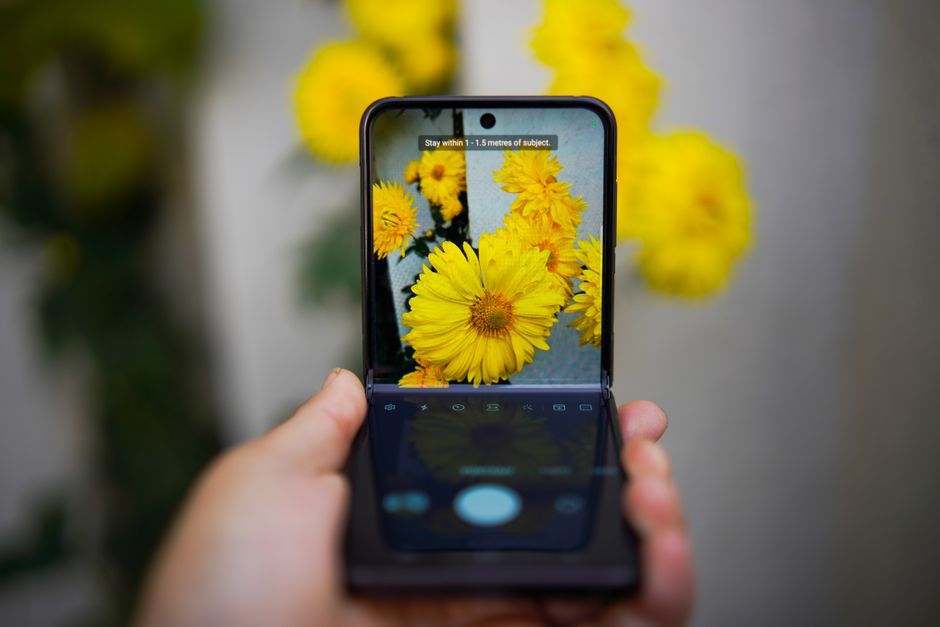
Apple is pushing ahead with foldable iPhone Ultra production scheduled for July 2027, according to recent supply chain reports. The news comes despite acknowledged engineering challenges with the device’s hinge mechanism, a critical component that has plagued foldable smartphones since their introduction. This timeline signals Apple’s determination to enter the foldable market, even if the technology isn’t entirely perfected.
The decision to proceed with production represents a significant shift for Apple, a company known for waiting until technologies mature before adoption. The move puts Apple on track to compete directly with Samsung, Google, and other manufacturers who have established footholds in the premium foldable segment. For consumers wondering whether to wait for Apple’s foldable or stick with traditional smartphones, understanding the timeline and potential compromises becomes essential.
When Will the Foldable iPhone Ultra Actually Launch?
Supply chain sources point to July 2027 as the production start date for the foldable iPhone Ultra. If this timeline holds, you can expect the device to reach retail shelves sometime in fall 2028, likely September or October following Apple’s traditional iPhone launch schedule.
This production timeline would put Apple roughly five years behind Samsung, which launched the original Galaxy Z Fold in 2019. Google entered the foldable market with the Pixel Fold in 2023, giving them a two-year head start. The delayed entry isn’t unusual for Apple. The company waited years before introducing features like OLED displays, 5G connectivity, and always-on displays that competitors had already adopted.
Apple’s typical product rollout follows a predictable pattern: production begins two to three months before public availability. Manufacturing partners need time to ramp up production volumes, conduct quality testing, and build sufficient inventory for a global launch. Based on historical precedent with flagship iPhones, a July production start makes a September or October consumer release realistic.
The timing also makes strategic sense. A fall 2027 launch would position the foldable iPhone Ultra as a premium holiday season offering, capitalizing on peak consumer spending periods. It would also give Apple’s software teams additional months to refine iOS optimization for the foldable form factor.
What Hinge Issues Is Apple Facing?
The hinge mechanism represents the most significant engineering challenge for any foldable smartphone. Apple’s reported issues center on durability and longevity concerns that could affect real-world usability over extended periods.
Foldable hinges must withstand tens of thousands of opening and closing cycles while maintaining screen alignment, preventing dust ingress, and avoiding visible creasing. Samsung’s current Galaxy Z Fold models are rated for 200,000 folds, equivalent to roughly five years of use if you fold and unfold the device 100 times daily. Apple’s internal testing standards typically exceed industry norms, which may explain why the company hasn’t rushed to market.
Apple’s hinge design reportedly differs from Samsung’s approach in several ways. While Samsung uses a multi-link system with visible mechanical components, Apple’s patents suggest a simpler design with fewer moving parts. Fewer components could improve reliability but might compromise on the flexibility needed to achieve a completely flat unfold.
The ‘issues’ mentioned in supply chain reports likely refer to meeting Apple’s own durability benchmarks rather than fundamental failures. Apple rarely launches products that don’t meet internal quality standards, even if those standards exceed what competitors consider acceptable. The question becomes whether Apple will compromise on those standards to meet the July production deadline or delay until every concern is addressed.
Why Is Apple Moving Forward Despite These Problems?
Market pressure provides the primary motivation for Apple’s decision to proceed. Samsung dominated the foldable market in 2024, capturing over 80% of global foldable smartphone sales. Google, Motorola, and Chinese manufacturers like Huawei and Xiaomi have all established positions in this premium segment while Apple remained on the sidelines.
The revenue potential is substantial. Foldable smartphones command premium pricing, with devices regularly selling for $1,800 to $2,000 or more. For Apple, which has built its business on high-margin premium products, missing out on this segment becomes increasingly costly as the market matures and expands.
Apple has historically launched products with known trade-offs when market timing demands it. The original iPhone lacked 3G connectivity. The first Apple Watch had disappointing battery life. AirPods Max launched with a controversial case design. In each instance, Apple judged that the competitive advantages and market opportunity outweighed the compromises. The company also holds a significant software advantage, as iOS optimization could differentiate Apple’s foldable even if the hardware doesn’t dramatically surpass competitors.
Apple controls both hardware and software, enabling deeper integration than Android manufacturers can achieve. Features like continuity between folded and unfolded states, app layout transitions, and multitasking could provide a superior user experience even with a later-generation hinge design.
iPhone Ultra Specs and Features: What We Know So Far
Information about the foldable iPhone Ultra remains limited, but industry patterns and Apple’s product history provide reasonable expectations. The device will likely feature a main display between 7.5 and 8 inches when unfolded, comparable to Samsung’s Galaxy Z Fold series. When folded, expect an external display sized for one-handed use, probably between 6.0 and 6.5 inches.
The processor will almost certainly be Apple’s latest chip available at production time. A July 2027 production start suggests either the A18 Pro or a new A19 chip, delivering performance that matches or exceeds current flagship iPhones. Apple’s silicon advantage remains substantial, with chips that consistently outperform Qualcomm’s best offerings in benchmark tests.
Camera specifications remain speculative, but Apple will likely position the Ultra as a photography flagship. Expect a triple-lens system similar to iPhone Pro models, possibly with enhanced telephoto capabilities that leverage the larger device footprint. The foldable form factor enables unique photography features like using the main camera system for selfies with the device partially folded.
Pricing represents the biggest unknown. Samsung’s Galaxy Z Fold 6 launched at $1,899, while Google’s Pixel 9 Pro Fold retails for $1,799. Apple typically prices flagship products at or above competitors, suggesting the foldable iPhone Ultra could start at $1,999 or higher. Some analysts predict pricing could reach $2,500 for higher storage configurations.
How Does This Compare to Samsung and Google’s Foldables?
Samsung has shipped six generations of Galaxy Z Fold devices, accumulating real-world durability data and user feedback that Apple lacks. The Galaxy Z Fold 6 represents a mature product with refined hinge mechanisms, improved crease management, and established reliability. Samsung’s track record shows continuous improvement, with each generation addressing previous weaknesses.
Google’s Pixel Fold entered the market more recently but benefits from deep Android integration and machine learning capabilities. The Pixel 9 Pro Fold features unique software optimizations that leverage Google’s AI expertise, particularly in photography and multitasking scenarios.
The software experience differs substantially between iOS and Android on foldable devices. Android has supported foldable-specific features since version 12, giving developers years to optimize apps for flexible displays. Apple’s iOS optimization timeline is compressed, meaning some apps may not fully leverage the foldable display at launch.
Price comparisons favor competitors currently. Samsung frequently discounts the Galaxy Z Fold through carrier promotions and trade-in offers, making the effective price significantly lower than the retail tag. User satisfaction data from existing foldables reveals mixed results, with owners appreciating the productivity benefits and screen real estate but citing durability concerns, weight, and bulk as common complaints.
Will the Hinge Issues Delay the Launch?
Several factors could trigger a postponement from the July production timeline. Supply chain capacity and manufacturing readiness represent immediate concerns. Producing foldable displays and hinge mechanisms at scale requires specialized equipment and expertise that few manufacturers possess. Samsung Display currently dominates foldable screen production, and Apple may face supply constraints if demand exceeds available capacity.
Testing and quality assurance timelines add another variable. Apple typically conducts extensive real-world testing before launch, including durability tests that simulate years of typical use. If testing reveals unacceptable failure rates, Apple won’t hesitate to delay. The company delayed the HomePod, AirPower was canceled entirely, and the Vision Pro took years longer than initially planned.
Historical precedent suggests Apple delays launches when products don’t meet standards. The company prioritizes brand reputation over hitting arbitrary deadlines. A foldable iPhone failure would generate negative publicity that could damage Apple’s premium brand positioning for years. That said, the confirmed production timeline and supply chain preparations indicate significant confidence, and Apple wouldn’t commit manufacturing resources without reasonable certainty that the product will launch.
Should You Wait for the Foldable iPhone Ultra?
Deciding whether to wait depends on your current device situation and risk tolerance. If your iPhone works well and meets your needs, waiting makes sense. The foldable iPhone Ultra will be a first-generation product from Apple in this category, and first-generation Apple products often have quirks that subsequent versions address.
Current iPhone alternatives like the iPhone 16 Pro Max offer excellent longevity. Apple supports iPhones with software updates for five to six years, meaning a device purchased today will remain functional and secure well into 2030. The productivity benefits of a foldable display may not justify the premium price and potential reliability concerns for most users.
Early adopter risk factors include higher pricing, potential durability issues, and limited app optimization. First-generation foldable iPhone owners will essentially beta test the form factor for Apple, helping identify issues that future versions will address. Budget for at least $2,000, possibly more, and don’t expect significant discounts in the first year. AppleCare+ coverage will be essential, and replacement costs for damaged foldable displays will likely exceed traditional iPhone repairs substantially.
Consider your actual needs versus the appeal of new technology. Foldable phones excel at multitasking, content consumption, and productivity tasks. If you frequently wish for more screen space, work on your phone extensively, or consume lots of media, the foldable form factor offers genuine benefits. If you primarily use your phone for communication, photography, and casual browsing, a traditional iPhone may serve you better.
FAQ
Q: What is the foldable iPhone Ultra and when will it be available?
A: The foldable iPhone Ultra is Apple’s rumored entry into the foldable smartphone market, featuring a display that folds in half for compact storage. Production is scheduled for July 2027, with consumer availability expected in fall 2027, likely September or October.
Q: What hinge problems is the foldable iPhone experiencing?
A: Supply chain reports indicate Apple is addressing durability and longevity concerns with the hinge mechanism. These issues relate to meeting Apple’s internal quality standards for folding cycles, screen alignment, and long-term reliability rather than fundamental design failures.
Q: How much will the foldable iPhone Ultra cost?
A: While Apple hasn’t announced pricing, industry analysis suggests the foldable iPhone Ultra will start at $1,999 or higher, potentially reaching $2,500 for maximum storage configurations. This pricing would position it above Samsung and Google’s foldable offerings.
Q: Is the foldable iPhone more durable than Samsung’s Galaxy Z Fold?
A: Durability comparisons are premature since the foldable iPhone hasn’t launched yet. Samsung’s Galaxy Z Fold 6 is rated for 200,000 folds and represents six generations of refinement. Apple’s durability standards typically exceed competitors, but real-world testing will determine actual performance.
Q: Will iOS be optimized for a foldable display?
A: Apple will certainly optimize iOS for the foldable form factor, but the extent of optimization at launch remains unclear. Full app ecosystem support may take time as third-party developers update their apps to leverage the foldable display capabilities.
Q: Can I pre-order the foldable iPhone Ultra now?
A: No, pre-orders are not yet available. Apple hasn’t officially announced the foldable iPhone Ultra. Based on the July 2027 production timeline, pre-orders would likely open in late summer or early fall 2027, assuming the product launches on schedule.
Frequently Asked Questions
What is the foldable iPhone Ultra and when will it be available?
The foldable iPhone Ultra is Apple’s rumored entry into the foldable smartphone market, featuring a display that folds in half for compact storage. Production is scheduled for July 2027, with consumer availability expected in fall 2027, likely September or October.
What hinge problems is the foldable iPhone experiencing?
Supply chain reports indicate Apple is addressing durability and longevity concerns with the hinge mechanism. These issues relate to meeting Apple’s internal quality standards for folding cycles, screen alignment, and long-term reliability rather than fundamental design failures.
How much will the foldable iPhone Ultra cost?
While Apple hasn’t announced pricing, industry analysis suggests the foldable iPhone Ultra will start at $1,999 or higher, potentially reaching $2,500 for maximum storage configurations. This pricing would position it above Samsung and Google’s foldable offerings.
Is the foldable iPhone more durable than Samsung’s Galaxy Z Fold?
Durability comparisons are premature since the foldable iPhone hasn’t launched yet. Samsung’s Galaxy Z Fold 6 is rated for 200,000 folds and represents six generations of refinement. Apple’s durability standards typically exceed competitors, but real-world testing will determine actual performance.
Will iOS be optimized for a foldable display?
Apple will certainly optimize iOS for the foldable form factor, but the extent of optimization at launch remains unclear. Full app ecosystem support may take time as third-party developers update their apps to leverage the foldable display capabilities.
Can I pre-order the foldable iPhone Ultra now?
No, pre-orders are not yet available. Apple hasn’t officially announced the foldable iPhone Ultra. Based on the July 2027 production timeline, pre-orders would likely open in late summer or early fall 2027, assuming the product launches on schedule.