
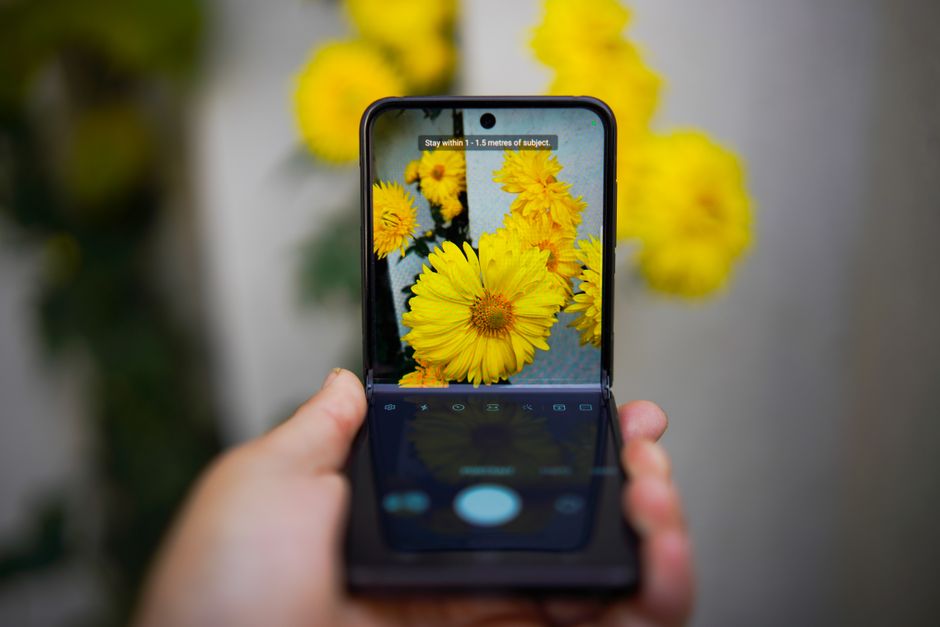
Samsung just released a Z Fold that defies expectations in two crucial ways: it introduces meaningful innovation instead of incremental tweaks, and it comes with a price tag that makes foldable phones accessible to people who don’t have flagship budgets. This Samsung Z Fold affordable foldable represents a turning point where premium technology meets practical pricing, and the wider aspect ratio everyone will love makes it feel genuinely different from previous iterations.
The combination of design improvements, usability enhancements, and a more approachable price creates something the foldable market desperately needed. Real innovation paired with accessibility might finally push foldables from niche luxury items into mainstream consideration.
Why Everyone Thought Samsung Was Stuck in a Rut
Samsung’s Z Fold line earned criticism for feeling predictable. Each new generation brought minor spec bumps and subtle refinements, but nothing that made you forget about the previous model. The Z Fold 5 looked nearly identical to the Z Fold 4, which shared most design DNA with the Z Fold 3.
The premium pricing strategy created another barrier. Launching foldables at $1,800 or more positioned them as luxury items rather than practical upgrades. Most people couldn’t justify spending nearly two thousand dollars on a phone, regardless of how cool the folding screen looked. This pricing kept foldables in the hands of early adopters and tech enthusiasts while the mainstream market watched from the sidelines.
Competition intensified the pressure. Chinese manufacturers started releasing foldables with impressive specs at lower prices. OnePlus, Oppo, and Xiaomi proved you could build capable foldables without charging flagship-plus pricing. Samsung’s position as the foldable leader faced real threats from companies willing to undercut on price while matching features.
Market saturation became impossible to ignore. The same people buying each Z Fold generation represented a limited audience. To grow the foldable category, Samsung needed to attract new customers who’d never considered a foldable phone before. That required both meaningful differentiation and a price point that didn’t feel prohibitive.
What Samsung Actually Changed This Time
The most noticeable change comes from the wider aspect ratio when unfolded. Samsung moved away from the narrow, almost square internal display toward something that feels more natural for content consumption and multitasking. This wider screen makes split-screen apps actually usable instead of cramped.
Durability improvements address the biggest concern people have about foldables. The hinge mechanism uses redesigned components that reduce the visible crease in the display. While the crease hasn’t disappeared completely, it’s less pronounced than previous generations. Samsung also improved the protective layers on the internal screen, making it more resistant to the micro-scratches that plagued earlier models.
The outer display received meaningful updates too. Samsung increased the cover screen width, making it more functional for quick tasks without needing to unfold the device. You can actually type messages, check emails, and scroll social media on the external display without frustration.
Software optimization finally leverages the foldable form factor properly. Samsung worked with app developers to ensure popular applications recognize the larger internal display and adjust their layouts accordingly. The taskbar implementation makes switching between apps feel more like using a tablet than a stretched phone.
Manufacturing improvements allowed Samsung to reduce costs without compromising core functionality. The company streamlined production processes and optimized material choices for components that don’t directly impact user experience. These behind-the-scenes changes enabled the lower price point without cutting corners on features people actually care about.
The Price Drop: Is It Really a Game-Changer?
This Z Fold launches at a significantly lower price than its predecessors. While previous flagship Z Fold models started around $1,800, this model comes in several hundred dollars cheaper. The exact pricing varies by market and carrier, but the reduction brings foldables into territory where people compare them against premium traditional phones rather than treating them as separate luxury categories.
Compared to competitor foldables, Samsung’s pricing becomes competitive rather than premium. The OnePlus Open and Google Pixel Fold occupy similar price ranges, and Samsung now matches them while offering its refined hinge design and software ecosystem. This pricing pressure benefits consumers by creating actual competition.
Samsung achieved the lower price through strategic optimization rather than cheap compromises. The rear camera system uses proven sensors from previous generations instead of cutting-edge new modules. The internal storage starts at a reasonable capacity instead of offering excessive options. The packaging got simpler, and Samsung removed accessories most users already own.
For mid-range phone buyers, this creates an interesting proposition. Someone planning to spend $800-900 on a premium traditional phone might stretch their budget slightly to get a foldable experience. This psychological shift matters more than the specific dollar amount.
Can You Actually Use This as Your Daily Driver?
Real-world performance proves this Z Fold handles daily tasks without compromise. The processor manages multitasking smoothly, even when running three apps simultaneously on the internal display. Apps launch quickly, and gaming performance meets expectations for a premium device.
Battery life lands in acceptable territory for a foldable. You’ll get through a full day with moderate use, including time on the power-hungry internal display. Heavy users who spend hours streaming video or gaming might need a mid-afternoon top-up, but that’s typical for phones with large displays.
The camera system performs well in good lighting and produces acceptable results in challenging conditions. Samsung didn’t include its absolute best camera hardware, but the sensors deliver quality that satisfies most users. The unique form factor enables interesting photography angles using Flex mode.
Durability expectations require realistic thinking. Foldables involve more moving parts than traditional phones. Samsung’s improvements make this model more reliable than earlier generations, but you’re still dealing with a folding screen that needs reasonable care. Using the included screen protector and avoiding excessive pressure will extend longevity.
How This Changes the Foldable Market
This pricing strategy could accelerate mainstream foldable adoption significantly. When foldables cost twice as much as premium traditional phones, most people dismissed them immediately. At current pricing, the decision becomes more nuanced. Consumers start weighing the unique benefits against the slight premium over traditional flagships.
Competitors face pricing pressure they can’t ignore. If Samsung succeeds with this more accessible approach, other manufacturers must respond. We’ll likely see OnePlus, Google, and other foldable makers adjust their pricing strategies. This competition benefits consumers by pushing the entire category toward better pricing.
The move signals Samsung’s commitment to growing the foldable market rather than just serving early adopters. Releasing a more affordable Z Fold alongside premium models shows Samsung believes foldables represent the future of smartphones. This commitment encourages app developers to optimize for foldable displays and accessory makers to create compatible products.
Future implications for foldable accessibility look promising. If this model succeeds, Samsung will likely continue refining the affordable foldable formula. Foldables could become the default form factor for premium phones within a few years rather than remaining a separate category.
Should You Actually Buy This?
The ideal customer for this Z Fold wants the latest technology without paying absolute flagship prices. You appreciate the productivity benefits of a larger display but need the portability of a standard phone when folded. You’re comfortable being somewhat careful with your device and understand foldables require more consideration than traditional phones.
The trade-offs between price and premium features remain clear. You’re getting last generation’s camera sensors instead of cutting-edge photography hardware. The storage options start lower and max out before the flagship Z Fold’s ceiling. Some materials feel slightly less premium, though build quality remains solid.
Comparing this model against other Z Fold options depends on your priorities. If you want Samsung’s absolute best foldable technology and money isn’t a primary concern, the flagship Z Fold delivers superior cameras and more storage. If you want something pocketable and cheaper, the Z Flip offers foldable technology in a different form factor. This model occupies the sweet spot between accessibility and capability.
Timing considerations favor buying now if you currently use an older phone and want to experience foldable technology. The price represents genuine value compared to previous Z Fold generations. If you already own a recent flagship phone that meets your needs, waiting another generation might bring even better pricing.
Anyone frustrated by small screens during productivity tasks but unwilling to carry a tablet finds compelling value here. The ability to unfold a full tablet-sized display when needed, then fold back to a pocketable phone, solves a real problem.
This Samsung Z Fold affordable foldable proves the company can still innovate meaningfully while making premium technology accessible. The combination of genuine improvements and approachable pricing creates something the market needed. Whether you should buy one depends on your specific needs and budget, but the fact that question now feels reasonable for mainstream consumers represents real progress.
Frequently Asked Questions
Is the new Z Fold cheaper than the previous generation?
Yes, this Z Fold launches at a significantly lower price point than previous flagship Z Fold models, coming in several hundred dollars cheaper than the $1,800+ starting prices of earlier generations. The exact savings vary by market and carrier, but the reduction makes foldables considerably more accessible.
What innovations did Samsung add to justify buying this model?
Samsung introduced a wider aspect ratio for better multitasking, improved the hinge mechanism to reduce the display crease, enhanced the cover screen width for better usability, and optimized software to properly leverage the foldable form factor. These changes address real usability concerns from previous generations rather than offering just spec bumps.
How does this Z Fold compare to the Galaxy Z Flip in price and features?
This Z Fold costs more than the Z Flip but offers a tablet-sized internal display when unfolded, making it better for productivity and multitasking. The Z Flip provides a more compact, pocketable design at a lower price but with a smaller internal screen. They target different use cases within the foldable category.
Is the build quality compromised because of the lower price?
No, Samsung achieved the lower price through strategic optimizations like using proven camera sensors from previous generations and streamlining packaging rather than compromising core build quality. The hinge mechanism, display protection, and overall construction remain solid, though some materials may feel slightly less premium than the flagship model.
Can you use this Z Fold comfortably as a primary phone?
Yes, this Z Fold handles daily driver duties well with smooth multitasking performance, acceptable battery life for moderate use, and reliable camera quality. The improved cover screen width makes it functional for quick tasks without unfolding, while the larger internal display excels at productivity. Just treat it with reasonable care given the folding display.
What competitors offer similar foldables at this price point?
The OnePlus Open and Google Pixel Fold compete in similar price ranges, offering comparable foldable experiences. Samsung’s pricing now matches these competitors while providing its refined hinge design and established software ecosystem. This creates genuine competition in the affordable foldable category that benefits consumers.