
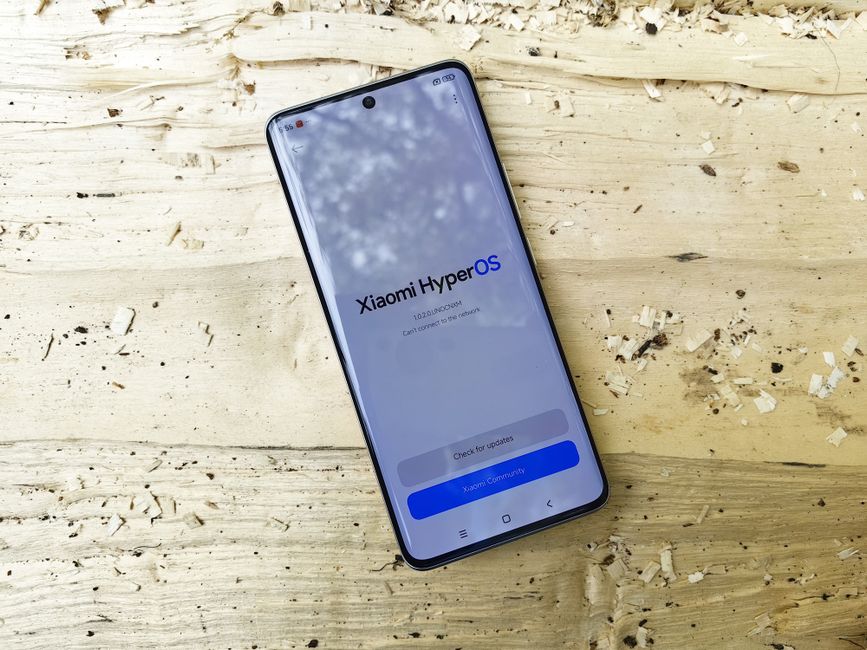
Xiaomi is gearing up for one of its most significant flagship refreshes in years, and early leaks suggest the Xiaomi 18 Pro upgrades will be substantial. The phone is expected to launch alongside the standard Xiaomi 18 and the larger Xiaomi 18 Pro Max sometime in September 2026. Together, they are widely tipped to be the first phones on the market running Qualcomm’s next flagship chipset.
If you own a Xiaomi 17 Pro and are wondering whether the new model is worth the wait, this guide breaks down everything currently known: the processor, the display, the design, the cameras, and the battery. We also look at pricing expectations and how the phone stacks up against rivals like Samsung and Apple.
What’s New in the Xiaomi 18 Pro?
Xiaomi typically refreshes its numbered flagship series every year, and 2026 looks like no exception. The Xiaomi 18 lineup is expected to include three models: the standard Xiaomi 18, the Xiaomi 18 Pro, and the Xiaomi 18 Pro Max. That mirrors the strategy Xiaomi used with the 17 series, giving buyers a clearer choice between size, price, and features.
The biggest headline is the chipset. According to leaker Digital Chat Station on Weibo, the Xiaomi 18 Pro will use Qualcomm’s newest flagship silicon, making it one of the first phones globally to ship with it. Beyond the processor, early details point to a redesigned display with ultra-narrow, symmetrical bezels and a flatter, more compact screen than what current Pro buyers are used to.
Snapdragon 8 Elite Gen 6 Pro: The Heart of the Upgrade
The Xiaomi 18 Pro is rumored to run on the Snapdragon 8 Elite Gen 6 Pro, a step up from the chipset that powered the Xiaomi 17 Pro. Every new Snapdragon generation typically brings a meaningful jump in raw CPU and GPU performance.
Expect three practical benefits from the new chip:
- Faster everyday performance. App launches, multitasking, and split-screen use should feel noticeably snappier.
- Better on-device AI. Newer Snapdragon chips lean heavily into dedicated AI processing, which should translate into faster photo editing, smarter voice assistants, and quicker translation features.
- Improved efficiency. A more efficient manufacturing process usually means better battery life and less heat under sustained load.
Gamers should see the biggest gains. Titles that push current flagships to their limits should run more smoothly on the 18 Pro, with fewer frame drops during long sessions. Xiaomi has also historically paired new chipsets with upgraded cooling systems, so expect better thermal management than the 17 Pro offered during heavy gaming or 4K video recording.
Display Enhancements: Ultra-Clear Small Flat Screen
One of the more surprising details from the leak is the description of an ‘ultra-clear’ small flat screen. Rather than chasing a bigger panel, Xiaomi appears to be prioritizing sharpness and symmetry over sheer size for the Pro model.
Key display changes reportedly include:
- A flat screen instead of a curved one, which tends to reduce accidental touches and glare.
- Large rounded corners, a design choice that makes the phone feel more comfortable in hand.
- Ultra-narrow, symmetrical bezels on all four sides, a detail flagship fans have wanted for years since most phones still have a slightly thicker chin.
Compared to the Xiaomi 17 Pro, this suggests a more refined, more premium-looking front panel. Symmetrical bezels in particular are difficult to engineer and are usually reserved for a brand’s top-tier hardware, signaling that Xiaomi is treating the 18 Pro as a genuine showcase device.
Design and Build Quality Refinements
The move to a flat frame is more than a cosmetic choice. Flat edges generally improve grip, make cases fit more precisely, and reduce the light distortion that curved edge screens sometimes cause near the borders.
Expect Xiaomi to pair this design with premium materials befitting a Pro model, likely including a durable frame, refined glass or ceramic-style back option, and improved certification for dust and water resistance. Pro-series Xiaomi phones have steadily improved their durability ratings generation over generation.
Size and weight will also matter for anyone switching from the 17 Pro. If Xiaomi keeps the ‘small flat screen’ description accurate, the 18 Pro could end up more compact and easier to handle one-handed than its predecessor, while the Pro Max absorbs buyers who want a larger canvas.
Camera System Upgrades (Expected)
While camera specs have not been detailed yet, Xiaomi’s Pro models have consistently pushed computational photography forward each year. Expect sensor refinements, improved low-light processing, and better dynamic range handling compared to the 17 Pro.
With a more powerful chipset driving image processing, features like night mode, portrait blur accuracy, and real-time HDR previews should improve. Zoom performance is another likely target, since flagship competition in this segment has intensified. Video recording should benefit from steadier stabilization and sharper 4K or higher-resolution capture expected as standard.
Battery and Charging: Endurance Meets Speed
A more efficient chipset usually pays dividends in battery life, even without a larger battery. If Xiaomi keeps a similar battery capacity to the 17 Pro, users could still see longer screen-on time simply from the efficiency gains of the new Snapdragon chip.
Fast charging is another area where Xiaomi tends to push boundaries. It would not be surprising to see faster wired charging speeds and improved wireless charging support on the 18 Pro, shaving meaningful time off a full charge. Real-world battery life will ultimately depend on screen brightness, resolution, and usage habits.
Price and Availability: What to Expect
Xiaomi is expected to launch the 18 series in September 2026, following the pattern set by its recent flagship releases. A domestic China launch typically comes first, with global availability following weeks or months later.
Pricing for the Pro model usually lands above the standard variant but below the Pro Max. Xiaomi has generally kept its flagships competitively priced compared to Samsung and Apple. Expect early bird or pre-order incentives in China shortly after launch, with international pricing and availability details to follow once the phone reaches markets outside China.
Xiaomi 18 Pro vs. 17 Pro: Side-by-Side Comparison
Here is a quick look at how the rumored 18 Pro stacks up against last year’s model:
- Processor: Snapdragon 8 Elite Gen 6 Pro (18 Pro) vs. previous-generation Snapdragon chip (17 Pro), with expected gains in speed, efficiency, and AI performance.
- Display: Ultra-clear flat screen with symmetrical ultra-narrow bezels (18 Pro) vs. a more conventional panel design (17 Pro).
- Design: Flat frame with large rounded corners (18 Pro) vs. the 17 Pro’s existing design language.
- Camera: Expected sensor and computational photography improvements driven by the new chipset.
- Battery: Likely efficiency gains and faster charging speeds.
Taken together, these point to a genuine generational leap rather than an incremental refresh.
Is the Upgrade Worth It for Xiaomi 17 Pro Users?
If you already own a Xiaomi 17 Pro, the decision comes down to how much you value cutting-edge performance and display refinement. The jump to a new Snapdragon chipset alone often justifies an upgrade for gamers, content creators, and anyone who keeps dozens of apps open at once.
For more casual users, the 17 Pro will likely remain capable for another year or two. Xiaomi’s trade-in programs typically offer solid value around launch windows, which can soften the cost of upgrading. If you like to stay on the newest hardware or use your phone heavily for gaming and photography, waiting for the 18 Pro’s September launch makes sense.
How Xiaomi 18 Pro Compares to Global Flagships
Xiaomi’s Pro series has increasingly positioned itself as a genuine rival to Samsung’s Galaxy S series and Apple’s iPhone Pro lineup. With one of the first Snapdragon 8 Elite Gen 6 chipsets on board, the Xiaomi 18 Pro could actually beat competing flagships to market with next-generation performance.
Compared to phones like the Samsung Galaxy S25 or Apple’s iPhone 17, Xiaomi typically undercuts on price while matching or exceeding raw benchmark performance. Xiaomi’s strengths remain fast charging speeds and display technology, areas where it has often outpaced both Samsung and Apple. The main trade-off for buyers outside China and parts of Europe and Asia is software support and app ecosystem familiarity, though Xiaomi’s HyperOS has closed much of that gap in recent years.
Overall, the Xiaomi 18 Pro looks positioned to compete confidently at the top of the global flagship market once it becomes widely available.
Frequently Asked Questions
What processor will the Xiaomi 18 Pro use?
Leaks point to the Snapdragon 8 Elite Gen 6 Pro, Qualcomm’s newest flagship chipset. The Xiaomi 18 Pro is expected to be among the first phones to ship with it.
When will the Xiaomi 18 Pro be available?
The Xiaomi 18 series, including the Pro model, is expected to launch in September 2026, likely in China first with global availability following later.
What are the main upgrades from Xiaomi 17 Pro?
The biggest changes include a new Snapdragon 8 Elite Gen 6 Pro chipset, a sharper flat display with ultra-narrow symmetrical bezels, and expected camera and battery efficiency improvements.
Will the Xiaomi 18 Pro be available globally?
Xiaomi typically launches its numbered flagship series in China first before expanding to global markets, so international availability is expected a few weeks to months after the initial launch.
How much will the Xiaomi 18 Pro cost?
Official pricing has not been announced yet, but the Pro model should sit above the standard Xiaomi 18 and below the Xiaomi 18 Pro Max, in line with Xiaomi’s usual pricing tiers.
What are the display improvements in the 18 Pro?
The Xiaomi 18 Pro is rumored to feature an ultra-clear, smaller flat screen with large rounded corners and ultra-narrow symmetrical bezels on all four sides, a notable refinement over the 17 Pro’s panel.