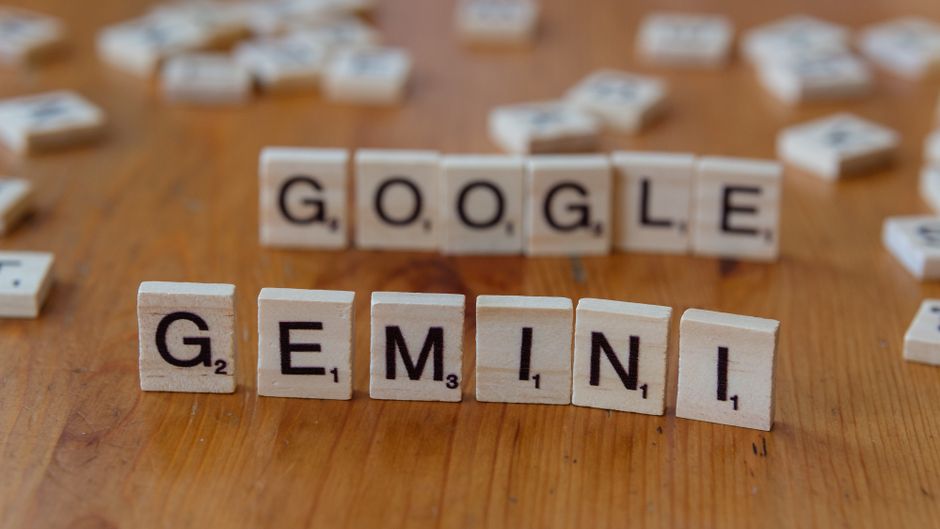
Google has a lot going on with Gemini this month. The company just released Gemini 3.6 Flash and Gemini 3.5 Flash-Lite, two new AI models aimed at making on-device intelligence faster and more accessible. At the same time, Google offered a glimpse of what’s coming with Gemini 4, while leaving fans still waiting on the long-promised Gemini 3.5 Pro.
If you’re wondering what these updates actually mean for your phone, you’re in the right place. Here’s a breakdown of what’s new, how the models stack up against each other, and what to expect next.
What Are Gemini 3.6 Flash and 3.5 Flash-Lite?
Gemini 3.6 Flash is Google’s latest fast-response AI model, built to handle everyday tasks like summarizing text, answering questions, and powering smart replies with minimal delay. It’s the model most Android users will interact with directly through Gemini’s assistant features, search tools, and productivity apps.
Gemini 3.5 Flash-Lite, on the other hand, is a trimmed-down version designed specifically for devices with limited processing power or memory. Think budget phones, older tablets, and other hardware that can’t handle the heavier computational load of larger models.
Both releases point to the same strategy: Google wants AI that runs quickly without draining your battery or requiring a constant connection to the cloud. Rather than chasing bigger and more complex models for every use case, the company is investing in efficiency, so more people can actually use these tools day to day.
This isn’t a totally new approach for Google, but it does mark a shift in priority. Instead of holding back Flash updates until the flagship Pro model ships, Google pushed these out first. That decision alone says something about where the company’s near-term focus lies.
Key Differences Between the New Models in 2026
The gap between these two models comes down to trade-offs between speed, capability, and hardware requirements.
Performance:
- Gemini 3.6 Flash handles more complex prompts and delivers noticeably richer responses.
- Gemini 3.5 Flash-Lite responds faster on lower-end hardware but trims some of the nuance and depth you’d get from Flash.
- In early comparisons, 3.6 Flash tends to produce longer, more detailed answers, while Flash-Lite prioritizes near-instant replies for simple tasks.
Use cases:
- Choose Gemini 3.6 Flash for tasks like drafting emails, analyzing documents, or holding multi-step conversations.
- Choose Gemini 3.5 Flash-Lite for quick lookups, basic voice commands, or lightweight app integrations where speed matters more than depth.
Compatibility:
- Gemini 3.6 Flash generally requires more recent chipsets and more available RAM to run smoothly, especially for on-device processing.
- Gemini 3.5 Flash-Lite is built to run on a much wider range of devices, including many mid-range and budget phones that couldn’t previously support advanced Gemini features.
In short, 3.6 Flash is the more capable of the two, while Flash-Lite is the more universally compatible option. Google seems to be betting that most casual users won’t notice the difference in daily use, while power users will gravitate toward the fuller Flash experience.
How These Models Impact Smartphone Users
For everyday phone owners, the real story here isn’t the model names. It’s what they enable on the device you’re already holding.
Faster On-Device Processing
Both models are optimized to run more tasks locally rather than sending every request to Google’s servers. That means quicker responses for things like message suggestions, photo organization, and voice commands, even in spots with weak or no internet connection.
Better Battery Efficiency
Running AI tasks locally instead of constantly pinging the cloud tends to save power. Early user reports suggest that devices running Gemini 3.5 Flash-Lite in particular are seeing improved battery performance during heavy AI usage, since the lighter model demands less from the processor.
Wider Accessibility
Perhaps the biggest win here is for budget and mid-range phone owners. Previously, many advanced AI features were reserved for flagship devices with the processing power to handle them. Gemini 3.5 Flash-Lite changes that equation, bringing smart assistant features to phones that wouldn’t have supported them a year ago.
This matters because AI features are increasingly baked into the core Android experience, not treated as an optional add-on. Making these tools work well across a broader range of hardware helps close the gap between flagship and budget devices.
What Google Revealed About Gemini 4
Google didn’t share a firm release date for Gemini 4, but the company confirmed it’s actively in development and outlined a few things to expect.
According to Google’s statements, Gemini 4 will focus on deeper reasoning capabilities and more consistent performance across long, complex tasks, areas where even the strongest current models can stumble. The company also hinted at improved multimodal understanding, meaning better handling of combined text, image, and audio inputs in a single conversation.
On the integration side, Google indicated that Gemini 4 will be built with tighter Android integration from the ground up, rather than retrofitted in later. That suggests deeper hooks into system-level features, not just app-level assistant functions. Expect closer ties with Google services like Search, Photos, and Workspace as well.
As for timing, Google has kept things vague, using general language about future rollout rather than committing to a specific date. Based on the pattern of recent releases, a reasonable guess points to a staged rollout sometime in the next development cycle, likely starting with select devices before expanding broadly. Nothing here is locked in yet, so treat any timeline as a rough estimate rather than a promise.
Where’s Gemini 3.5 Pro?
If you’ve been waiting on Gemini 3.5 Pro, you’re not alone; it’s been one of the most anticipated releases in Google’s AI lineup, and it still hasn’t landed.
Google hasn’t given a detailed explanation for the delay, but the timing of these Flash releases offers a clue. By prioritizing Flash and Flash-Lite first, Google appears to be focusing on broad accessibility and speed improvements before tackling the more resource-intensive Pro model. Pro-tier models typically demand more from both server infrastructure and user hardware, which likely means more testing and optimization time.
It’s also possible Google is using lessons learned from the Flash rollouts to refine how 3.5 Pro performs once it does launch. Flash models tend to be faster to develop and deploy, making them a practical testing ground for techniques that later show up in the flagship Pro version.
For now, there’s no confirmed release window for 3.5 Pro. If you rely on Gemini for demanding tasks like advanced coding, in-depth research, or complex creative work, you’ll need to keep using the current Pro model or lean on Gemini 3.6 Flash in the meantime.
Practical Rollout: When You’ll Get These Models
Here’s what you actually need to know about getting your hands on these updates.
Pixel devices: Google typically rolls out new Gemini models to Pixel phones first, given the tight integration between Pixel hardware and Google’s own AI software. If you own a recent Pixel, you can likely expect Gemini 3.6 Flash and 3.5 Flash-Lite to reach your device early in the rollout window, if they haven’t already.
Broader Android ecosystem: Non-Pixel Android phones will see a staggered rollout, with timing depending on your device manufacturer, chipset, and existing software agreements with Google. Budget and mid-range phones are the most likely to benefit from Flash-Lite specifically, since that’s the model built with their hardware limitations in mind.
Developers: Google usually opens up API access for new Gemini models before rolling them out broadly to consumers. If you’re a developer building apps that use Gemini, check Google’s developer documentation for access details and rate limits tied to each model tier.
How to check for access:
For the most current details on Gemini availability by device, visit Google’s Pixel support page.
Google’s approach here reflects a broader trend across the AI industry: prioritize speed and accessibility now, save the heaviest capabilities for models still in the pipeline. Whether that strategy pays off depends on how well these Flash models hold up in daily use, and how long users are willing to wait for 3.5 Pro and Gemini 4 to actually arrive.
Frequently Asked Questions
What is the difference between Gemini 3.6 Flash and 3.5 Flash-Lite?
Gemini 3.6 Flash is more capable and handles complex tasks with richer responses, while Gemini 3.5 Flash-Lite is a lighter, faster model built for devices with limited processing power. Flash-Lite trades some depth for speed and broader compatibility.
When will Gemini 4 be released?
Google hasn’t confirmed a specific release date for Gemini 4. The company has only shared general plans around improved reasoning and deeper Android integration, so any timeline right now is speculative.
Can I use Gemini 3.6 Flash offline on my phone?
Gemini 3.6 Flash is designed to handle more tasks on-device, reducing reliance on the cloud, but full offline functionality depends on your specific phone and which features you’re using. Some tasks may still require an internet connection.
Is Gemini 3.5 Flash-Lite slower than 3.6 Flash?
For simple tasks, Flash-Lite is often just as fast or faster since it’s optimized for lightweight hardware. For complex, multi-step tasks, Gemini 3.6 Flash generally performs better since it has more processing depth.
What happened to Gemini 3.5 Pro?
Gemini 3.5 Pro hasn’t launched yet, and Google hasn’t given a firm reason for the delay. It’s likely that Google is prioritizing the Flash and Flash-Lite rollouts first, using them to refine performance before releasing the more resource-intensive Pro model.