Samsung just made choosing a foldable phone a lot more complicated. The company introduced three new devices this week: the Galaxy Z Fold8, the Galaxy Z Fold8 Ultra, and the Galaxy Z Flip8. If you assumed the Z Fold8 replaces last year’s Z Fold7, you’d be wrong. That job actually belongs to the Z Fold8 Ultra, while the plain Z Fold8 is a completely new type of foldable that Samsung has never made before.
This naming choice isn’t a mistake. It’s a deliberate shift in how Samsung wants you to think about foldables, moving away from simple year-over-year upgrades toward a lineup with real differences between models. Here’s what separates the Samsung Galaxy Z Fold8, Z Fold8 Ultra, and Z Flip8, and which one actually deserves your money.
Why Samsung’s 2026 Foldable Naming Is Confusing (And What It Means)
At first glance, having a Z Fold8 and a Z Fold8 Ultra looks like the standard flagship-and-Ultra split Samsung already uses with its Galaxy S series. But that’s not quite what’s happening here.
The Z Fold8 Ultra is the true successor to last year’s Z Fold7. It keeps the familiar book-style fold design and pushes the specs forward with a bigger battery and other refinements.
The Z Fold8, on the other hand, isn’t an upgraded or downgraded version of anything. It’s an entirely new form factor that Samsung hasn’t sold before. Slapping the same “Fold8” name on both devices makes them look related on a spec sheet, even though they solve different problems for different people.
This matters because it signals a bigger change in strategy. Samsung is no longer content to just bump the numbers and call it a year. Instead, the company is using its naming conventions to test how much variety the foldable market can support, betting that shoppers care more about form factor than they do about a clean, predictable upgrade path.
The New Z Fold8: A Hybrid Form Factor Between Cover and Inner Display
The standard Z Fold8 is where things get genuinely new. It pairs a 16:10 cover display with a 4:3 inner display, a combination Samsung hasn’t used on any previous foldable.
Previous Galaxy Fold models leaned toward a narrow, tall cover screen and a nearly square inner display when unfolded. This new ratio pairing changes that balance. The cover screen is wider and more usable on its own, closer to what you’d expect from a regular smartphone, while the inner display leans slightly more compact than the almost-square panels found on the Ultra model.
The goal seems to be reaching people who like the idea of a foldable but never fell in love with the tall, narrow cover screens of past Fold phones. A more usable outer display means less flipping the phone open just to check a text or glance at directions.
Expect this model to sit in the middle of Samsung’s lineup, not quite entry-level, but positioned below the Ultra in both price and premium features. Think of it as Samsung’s answer to “I want a fold, but I don’t need the most expensive one.”
Z Fold8 Ultra: Battery Breakthrough With Silicon-Carbon Technology
If you’ve been waiting for the real Z Fold7 upgrade, the Z Fold8 Ultra is it. The headline feature is battery capacity: a 5,000mAh battery, a jump of 600mAh over its predecessor.
That kind of increase is hard to pull off in a book-style foldable, where internal space is already tight because of the hinge mechanism and dual-screen design. Samsung achieved it using Silicon-Carbon battery technology, a chemistry that packs more energy into a similar or smaller physical footprint compared to traditional lithium-ion cells.
In practical terms, this should translate to noticeably better battery life for people who use their foldable heavily throughout the day, whether that’s multitasking on the inner display, streaming video, or juggling apps in split-screen mode. Foldables have historically struggled with battery life because the form factor leaves little room for a large cell, so this upgrade addresses one of the biggest long-standing complaints about the category.
Beyond the battery, the Z Fold8 Ultra keeps the design language loyal Fold fans expect, while adding the kind of premium touches that justify its higher price point compared to the standard Z Fold8. If you already own a Z Fold7 and loved it, the Ultra is the natural next step.
Z Flip8: Slimmer, Lighter, But What Else Changed?
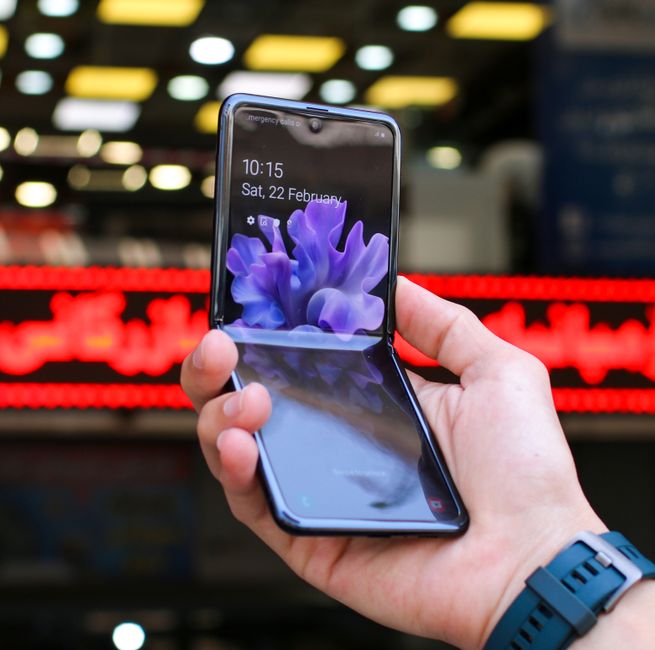
The clamshell side of Samsung’s lineup gets its own update with the Galaxy Z Flip8. The biggest talking point here is a slimmer, lighter design compared to previous Flip models.
Weight and thickness have always been sensitive points for compact foldables. A flip phone is supposed to feel pocketable and light, almost like a throwback to old-school flip phones, and any extra bulk works against that appeal. By trimming both dimensions, Samsung is doubling down on what makes the Flip line attractive in the first place: a foldable that doesn’t feel like a burden to carry.
A slimmer, lighter build doesn’t happen by accident. It usually requires internal redesigns, a more efficient hinge mechanism, or new materials that don’t sacrifice durability. Samsung has not detailed every internal change, but a redesign this visible almost always comes paired with other under-the-hood improvements, whether that’s processor upgrades, display refinements, or camera tweaks.
The Z Flip8 is clearly aimed at people who value portability and style over having the largest possible screen. If the Z Fold8 and Z Fold8 Ultra are about doing more with a bigger display, the Flip8 is about doing enough with something that fits comfortably in a small pocket or bag.
Z Fold8 vs Z Fold8 Ultra: Which Should You Actually Buy?
This is the question most shoppers actually care about, and the answer depends on what you want from a foldable.
Choose the Z Fold8 if:
- You’re curious about foldables but haven’t been sold on the traditional tall-and-narrow cover screen design
- You want a more usable outer display for everyday tasks without opening the phone
- You’re comfortable with a newer, less proven design in exchange for a likely lower price
- You don’t need the absolute best battery life or top-tier specs
Choose the Z Fold8 Ultra if:
- You want the most refined version of Samsung’s classic book-style fold
- Battery life is a top priority, especially if you use your phone heavily throughout the day
- You’re upgrading from a Z Fold7 and want a meaningful improvement, not a lateral move
- You don’t mind paying a premium for the best specs Samsung offers this year
The display ratios matter more than they might seem. The Z Fold8’s 16:10 and 4:3 combination changes how the phone feels in daily use, from watching videos to reading long articles to running multiple apps side by side. The Ultra’s more traditional proportions will feel instantly familiar to anyone who has used a Fold phone before, while the standard Z Fold8 asks you to adjust to something new.
If you’re a power user who leans on your foldable for work, the Ultra’s battery advantage alone may settle the decision. If you’re foldable-curious and want something a bit different without going all-in on the most expensive option, the standard Z Fold8 is worth a closer look.
What Samsung’s 2026 Strategy Reveals About Foldables’ Future
Stepping back, this launch says a lot about where foldable phones are headed. Samsung isn’t just releasing one flagship fold and one flagship flip anymore. It’s building out a small family of devices, each aimed at a slightly different type of user.
That’s a sign the foldable category is maturing. Early foldables were novelties, expensive proof-of-concept devices aimed at early adopters willing to accept compromises. Now Samsung is confident enough in the technology to segment its lineup the way it already does with the Galaxy S series, offering a standard option, a premium option, and a distinctly different form factor for people who want something else entirely.
Battery innovation is also becoming a real differentiator. Silicon-Carbon technology isn’t unique to Samsung, but its use here shows how battery chemistry improvements are starting to matter as much as chip upgrades or camera megapixels. As foldables become thinner and more capable, squeezing more battery capacity into a small space will keep being one of the biggest engineering challenges, and one of the most meaningful upgrades a phone can offer.
Ultimately, having three distinct foldables instead of one or two suggests Samsung believes there’s no longer a single “correct” way to build a folding phone. Some buyers want a wider cover screen. Some want maximum battery life. Others just want something slim and pocketable. Rather than forcing everyone into one design, Samsung is betting that choice, even confusing choice, is the future of this category.
Frequently Asked Questions
Is the Galaxy Z Fold8 the same as the Z Fold7?
No. The Galaxy Z Fold8 is a brand-new form factor with a 16:10 cover display and 4:3 inner display, unlike anything Samsung made before. The actual successor to the Z Fold7 is the Galaxy Z Fold8 Ultra, which keeps the traditional Fold design and adds a bigger battery.
What is Silicon-Carbon battery technology and why does it matter?
Silicon-Carbon is a battery chemistry that packs more energy capacity into a similar or smaller physical size compared to traditional lithium-ion batteries. In the Z Fold8 Ultra, it enables a 5,000mAh battery, 600mAh larger than its predecessor, without making the phone bulkier.
Should I buy the Z Fold8 or Z Fold8 Ultra in 2026?
Pick the Z Fold8 Ultra if you want the best battery life, proven design, and top-tier specs, and don’t mind paying more. Choose the standard Z Fold8 if you’re drawn to its new display ratio and want a foldable at a likely lower price point.
How much thinner and lighter is the Z Flip8 compared to previous models?
Samsung has confirmed the Z Flip8 is slimmer and lighter than earlier Flip models, though exact measurements haven’t been detailed in full. The redesign focuses on making the compact foldable feel even more pocketable.
What’s the price difference between the three new Samsung foldables?
Samsung hasn’t published full pricing details for all three models. Based on positioning, expect the standard Z Fold8 to be the most affordable of the two Fold models, the Z Fold8 Ultra to command a premium for its battery and specs, and the Z Flip8 to remain in its usual compact-foldable price range.