Samsung’s Galaxy Z Fold8 is the most convincing argument yet that foldable phones belong in the mainstream. After several generations of “almost there” hardware, this model finally closes the gap between novelty and daily driver. In this Samsung Galaxy Z Fold8 review, we’ll walk through what’s changed, how it performs in real life, and whether it’s actually worth your money.
If you’ve been holding out on foldables because of a visible crease, mediocre cameras, or battery anxiety, the Z Fold8 addresses all three. It’s not a perfect phone, but it’s the closest Samsung has come to making a fold feel like a normal flagship that just happens to open up.
What’s New in the Z Fold8?
The Z Fold8 isn’t a radical reinvention, but the upgrades over the Z Fold7 add up to a noticeably better experience. Samsung focused on refinement rather than gimmicks this generation, and that shows in the details.
Design and build quality take a clear step forward. The hinge mechanism feels tighter and more solid when opening and closing, and the overall chassis is thinner and lighter than previous folds. Samsung also improved the frame material, making the phone feel more durable in the hand without adding bulk.
Under the hood, the Z Fold8 runs on a newer flagship-grade processor that delivers a meaningful jump in raw performance and efficiency. You’ll notice faster app launches, smoother multitasking, and better sustained performance during longer sessions.
Key hardware highlights include:
- A reinforced hinge rated for significantly more fold cycles
- A slimmer, lighter body compared to the Z Fold7
- Upgraded main processor with improved power efficiency
- Enhanced camera hardware, including sharper sensors and improved image processing
- Better haptic feedback and speaker tuning
Samsung also tweaked the aspect ratio slightly on both the inner and outer displays, making one-handed use of the cover screen more natural. It’s a small change, but one that makes the phone feel less like a compromise when folded shut.
Display Quality and Foldable Innovation
Display quality has always been the deciding factor for foldable phones, and the Z Fold8 makes real progress here. Both the inner and outer screens received upgrades that improve everyday usability, not just spec sheet numbers.
Inner and Outer Screen Specifications
The inner display is a large, high-resolution panel optimized for productivity and media consumption. It supports a smooth adaptive refresh rate, which helps with both scrolling comfort and battery savings depending on what you’re doing. Color accuracy is excellent out of the box, with punchy but natural tones that work well for photo editing and video playback.
The outer cover screen is now wide enough to feel like a normal phone display rather than a narrow strip. You can comfortably type, browse, and reply to messages without unfolding the device, which matters a lot for quick interactions throughout the day.
Crease Visibility and Reduction
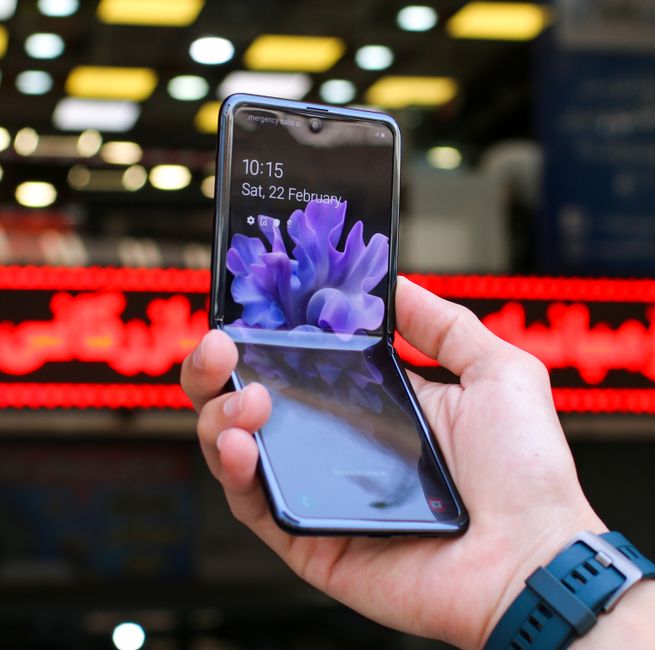
The crease has been a sticking point on every Fold model, and Samsung has clearly worked to minimize it further. Under direct light and at certain angles, you can still feel a slight indentation when you run your finger across the screen. However, it’s noticeably less visible during normal use, especially when the display is on and showing content.
This isn’t a “crease is completely gone” situation, but it’s the least noticeable it’s ever been on a Fold. For most people, it will stop being something you think about after the first few days.
Practical Usability of the Dual-Screen Setup
Where the Z Fold8 really shines is in how naturally the two screens work together. Starting a task on the cover screen and continuing it on the inner display feels seamless, and app continuity has improved significantly over past generations. This is one of the clearest signs that foldables are maturing into genuinely useful tools rather than tech demos.
Performance and Daily Use Experience
Specs only tell part of the story, so how does the Z Fold8 hold up in actual daily use? Quite well, based on typical workloads like messaging, browsing, streaming, and multitasking.
Multitasking is where the large inner screen earns its keep. Running two or three apps side by side feels smooth, and window resizing is more intuitive than on earlier models. Whether you’re comparing documents, replying to email while watching a video, or juggling social apps, the extra screen real estate genuinely speeds things up.
App optimization has improved as well. More apps now scale properly to the foldable’s unique aspect ratio instead of displaying with awkward black bars or stretched layouts. There are still occasional apps that haven’t been optimized, but they’re the exception rather than the rule at this point.
Battery Life and Heat Management
Battery life is solid for a foldable, easily lasting a full day of moderate to heavy use for most people. Streaming video and using the larger inner display will drain the battery faster than a typical phone, so heavy users should expect to top up by evening.
Heat management has improved thanks to the more efficient processor and better internal cooling design. During demanding tasks like gaming or extended video recording, the phone warms up but doesn’t reach the uncomfortable temperatures seen on some earlier foldables.
Camera Performance Breakdown
Cameras have historically been a weak point for foldables, and the Z Fold8 makes real strides here without quite matching Samsung’s top-tier standard flagships.
The wide camera captures sharp, detailed photos with accurate colors in most lighting conditions. The ultra-wide lens holds up well for landscapes and group shots, though detail softens slightly toward the edges of the frame. The telephoto lens offers useful zoom range for everyday shots, making it genuinely practical rather than just a marketing checkbox.
Low-light photography has improved noticeably compared to previous Fold models. Night shots show better detail retention and less noise, though it still doesn’t quite match the low-light performance of Samsung’s flagship Galaxy S-series cameras.
Video recording is a strong point, with stable footage and good dynamic range in most conditions. The ability to use the cover screen as a viewfinder for selfies with the main cameras is a nice practical touch that pays off in better-quality self-portraits.
The selfie cameras, both on the cover screen and inside, perform well for video calls and casual photos, though they remain a step behind the rear camera system in detail and low-light performance.
Is the Z Fold8 Worth Upgrading To in 2026?
This is the question most readers actually care about, so let’s break it down clearly.
If you’re using a Z Fold7 or earlier, the upgrade makes sense if durability, camera quality, or battery life have been pain points for you. The improvements are real and noticeable in daily use, not just marginal spec bumps.
If you’re coming from a regular flagship phone, the Z Fold8 is an easier sell now than it’s ever been. The crease is far less distracting, the cameras are genuinely competitive, and the multitasking benefits are hard to ignore once you experience them.
Compared to competitors, the Z Fold8 holds a strong position thanks to Samsung’s software polish and long-term update commitment. Samsung has extended software support windows significantly in recent years, which helps justify the higher upfront cost over a longer ownership period.
Price-to-features ratio has also improved, even though foldables remain a premium purchase. You’re paying for genuinely useful features, like a tablet-sized screen in your pocket and improving camera performance, rather than just paying a “foldable tax” for novelty.
Pros and Cons Summary
Here’s a quick breakdown to help you decide if the Z Fold8 fits your needs.
Pros:
- Significantly reduced crease visibility
- Improved durability and build quality
- Strong performance and multitasking capabilities
- Better cameras, especially in low light
- Long-term software support
Cons:
- Still heavier and thicker than a standard flagship phone
- Crease remains faintly visible under certain lighting
- Battery life is good but not exceptional under heavy use
- Premium price puts it out of reach for many buyers
Final verdict: The Samsung Galaxy Z Fold8 is the most well-rounded foldable Samsung has made. It won’t convert everyone to the foldable lifestyle, but for anyone curious about the format, this is the version that finally feels ready for everyday life rather than just weekend showing off.
Frequently Asked Questions
How durable is the Z Fold8 compared to regular smartphones?
The Z Fold8 uses a reinforced hinge and sturdier frame than earlier folds, making it more resilient to daily wear. That said, it’s still more delicate than a standard slab phone due to its folding screen and mechanism, so a protective case is still a good idea.
Does the Z Fold8 have a notch or under-display camera?
The Z Fold8 uses a small punch-hole camera on both the cover and inner displays rather than a notch. It does not use a true under-display camera setup.
What’s the battery life like on the Z Fold8?
The Z Fold8 comfortably lasts a full day for most moderate users, though heavy use of the large inner display for streaming or gaming will drain it faster. Most people will still want to charge it nightly, similar to other large-screen flagships.
Is the crease really gone on the Z Fold8?
The crease is not completely gone, but it’s the least noticeable it has ever been on a Galaxy Fold. You can still feel it if you run your finger across the screen, but it’s much less visible during normal use.
How does the Z Fold8 compare to the iPhone 16 Pro Max?
The Z Fold8 offers a much larger usable screen and multitasking flexibility that the iPhone 16 Pro Max can’t match, thanks to its folding design. The iPhone still has an edge in camera consistency and a slightly more polished app ecosystem, but the Z Fold8 closes much of that gap.